
Overview of Canada’s Tap Water Quality
Canada is committed to providing safe and clean tap water for its residents. The country’s municipal water treatment plants use cutting-edge technologies and strict regulations. This ensures the water quality is of the highest standard.
These facilities employ various water purification methods to eliminate contaminants. This includes physical filtration, chemical disinfection, and advanced treatment processes. Chlorination is a common method to kill harmful microorganisms. Yet, chlorination byproducts can form when chlorine reacts with organic matter in the water.

The Canadian government has set strict standards and guidelines for tap water safety. Water quality is constantly monitored, and municipalities must conduct frequent tests. For instance, the City of Ottawa performs over 100,000 water quality tests annually.
Water Quality Indicator | Value |
Ottawa’s central water supply hardness | 30 mg/L |
Ottawa’s municipal well hardness range | 200-350 mg/L |
Fluoride level in Ottawa’s central water supply | 0.70 mg/L |
Fluoride levels in Ottawa’s municipal wells | 0.05-0.65 mg/L |
Despite the high quality of Canada’s tap water, challenges persist. Older homes with lead pipes may have higher lead levels in their water. First Nations communities also face inadequate water supply and long-term advisories. It’s essential to address these issues to ensure clean and safe water for all Canadians.
Municipal Water Treatment in Canada
In Canada, municipal water treatment is a multi-step process to ensure safe drinking water. Water filtration removes particles and contaminants. UV light purifiers and chemical disinfectants like chlorine kill harmful bacteria and viruses.
Recent data shows Canadian water treatment systems meet drinking water standards well. In Ontario, 99.9% of over 524,000 tests met standards. 74% of systems got a perfect 100% rating, and 99.8% scored over 80%, showing high compliance and safety.
Water Purification Methods
Canadian municipalities use physical, chemical, and biological methods to purify water. Advanced filtration systems and UV light purifiers remove contaminants and pathogens. This provides an extra layer of protection.
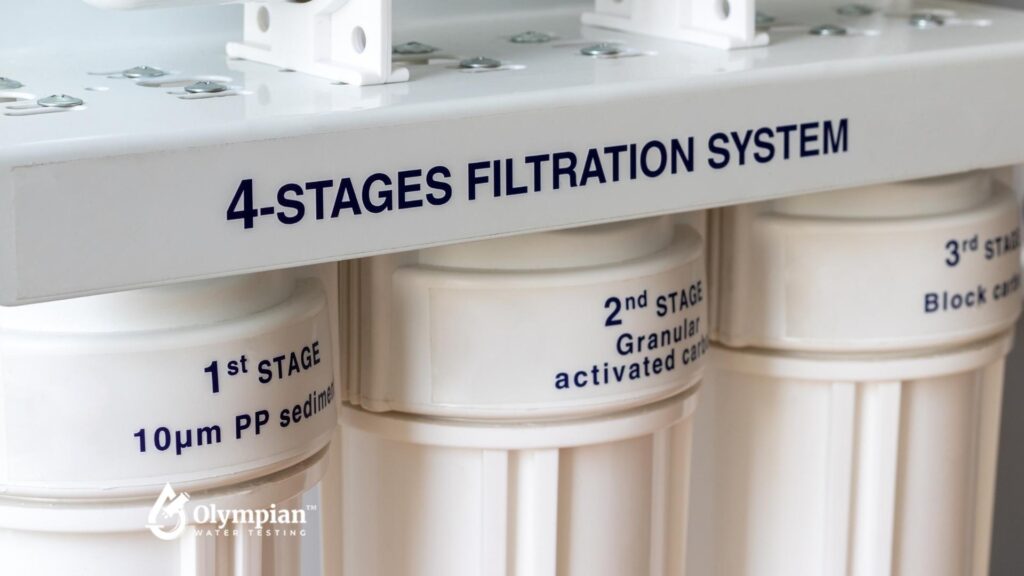
Chemical disinfectants, mainly chlorine, are key in eliminating harmful bacteria and viruses. Yet, chlorine can create harmful byproducts, posing health risks.
Chlorination Byproducts
Chlorination is effective but can create harmful byproducts when reacting with organic matter. These byproducts, like trihalomethanes (THMs) and haloacetic acids (HAAs), are linked to cancer and other health issues with long-term exposure.
To reduce these byproducts, municipalities optimize chlorination, remove organic matter, and use alternatives like UV light or ozone. Regular monitoring and testing ensure these byproducts stay within safe limits.
Tap Water Safety Standards in Canada
Canada has strict drinking water regulations and guidelines to ensure tap water safety. The government sets limits for contaminants and requires regular water source testing. These steps are to safeguard public health, ensuring water is free from harmful substances and disease-causing organisms.
The Safe Drinking Water Act, enacted in 2002, came after the Walkerton water crisis. It ensures safe drinking water systems. The Ministry of Environment, Conservation and Parks (MECP) enforces Ontario’s Drinking Water Quality Management Standards (DWQMS). Toronto Water, for instance, has achieved perfect scores in QMS re-accreditation audits for over a decade.
Reports like the Drinking Water Quality Annual Analysis Summary Reports, Drinking Water System Annual Reports, and Drinking Water System Summary Reports detail water quality. They cover various parameters, treatment chemicals, capital projects, testing summaries, accreditation, site inspections, and compliance with regulations.
Report | Content |
Drinking Water Quality Annual Analysis Summary Reports | Microbiological, operational, general physical, chemical, inorganic, organic, and radiological metrics |
Drinking Water System Annual Reports | Treatment chemicals used, capital projects, and testing summaries |
Drinking Water System Summary Reports | Accreditation, site inspections, and compliance with regulations |
The Ontario Drinking Water Quality Standards aim to protect health by ensuring water is free from harmful contaminants. These standards are met and often exceeded. Regular testing, like Peel Region’s Community Lead Testing Program, shows consistent compliance with Ontario and Health Canada guidelines.
Regional Variations in Tap Water Quality
Canada is known for its high-quality drinking water, yet regional differences exist. Major cities like Toronto and Vancouver consistently provide safe drinking water that meets or exceeds national standards. Yet, smaller towns and rural areas often face challenges due to aging infrastructure or water contamination issues.
Cities with Excellent Tap Water
Canada’s largest cities are known for their exceptional tap water quality. These cities invest in advanced water treatment facilities and strict testing protocols. This ensures the water is safe and tastes good, giving residents peace of mind.
Areas with Potencial Water Quality Issues
On the other hand, some regions struggle with tap water quality. Older neighborhoods with lead pipes or rural areas near industrial sites are at higher risk. These areas may face water contamination from lead, microorganisms, or agricultural runoff, posing health risks.
Contaminant | Potential Health Effects |
Lead | Developmental delays, learning difficulties, and kidney problems |
Microorganisms (e.g., E. coli, Giardia) | Gastrointestinal illnesses, diarrhea, and other waterborne diseases |
Agricultural runoff (e.g., nitrates, pesticides) | Methemoglobinemia (blue baby syndrome), increased cancer risk |
Canadian water authorities are working hard to address these regional disparities. They conduct regular testing, upgrade infrastructure, and educate the public. This ensures all Canadians have access to safe drinking water, no matter where they live. By staying informed and taking precautions, Canadians can safely enjoy their tap water.
Common Contaminants in Canadian Tap Water
Canada is renowned for its quality tap water, yet contaminants can sometimes infiltrate the supply. These contaminants pose health risks, making it critical for Canadians to understand their presence. Ensuring safe drinking water is a collective responsibility.
Lead is a prevalent contaminant in Canadian tap water, often found in older homes. Ontario’s Lead in Drinking Water Regulation requires testing in schools and high-risk properties. In Ottawa, 85% of homes have lead levels below 1 part per billion, while older homes may exceed 10 ppb.
Microorganisms and Parasites
Tap water can also contain harmful microorganisms and parasites like E. coli and Giardia. Canada conducts daily bacterial tests to prevent outbreaks. In the Niagara Region, Boil Water Advisories are issued upon bacterial contamination detection.
Ottawa Public Health issues swim advisories if E. coli levels exceed 200 per 100 mL during summer months. Other contaminants, such as PFAS, have been found in Canadian water sources. A Quebec study detected PFAS in 99.3% of tap water samples.
Contaminant | Potential Health Effects | Common Sources |
Lead | Developmental delays, kidney problems | Lead pipes, older plumbing fixtures |
E. coli | Gastrointestinal illness | Animal waste, sewage contamination |
Giardia | Diarrhea, abdominal cramps | Animal waste, sewage contamination |
PFAS | Increased risk of certain cancers, hormone disruption | Industrial areas, airports, military bases |
Canadian municipalities and water treatment facilities strive to maintain water quality standards. Regular testing, adherence to regulations, and investment in filtration technologies minimize contaminant risks. Canadians can enjoy safe tap water by staying informed and taking precautions.
Canada Tap Water Quality Compared to Other Countries
Canada stands out globally for its high-quality tap water, ranking among the best countries. It shares this distinction with nations like Iceland, Norway, and Switzerland. These countries ensure their water is safe through rigorous testing and advanced treatment. They also adhere to strict regulations, guaranteeing access to clean drinking water for their citizens.
On the other hand, many developing nations face significant hurdles in providing safe drinking water. Countries like India, Mexico, and Nigeria struggle with water contamination. In Ghana, over 50% of the population lacks access to proper sanitation, increasing the risk of waterborne diseases.
Drinking unsafe tap water can lead to severe health issues. Bacteria like E. coli and Salmonella can cause acute gastrointestinal infections. Chemical contaminants can harm the liver, kidneys, and nervous system. Parasitic infections, such as Giardia, can result in long-term digestive problems. In areas with poor sanitation, diseases like cholera and typhoid fever are major health threats.
Country | Annual Water Quality Tests | Percentage of Population with Access to Safe Drinking Water |
Canada | Over 125,000 (Ottawa) | 99% |
Norway | N/A | 100% |
Ghana | N/A | 50% |
India | N/A | 70% |
Canada and Norway invest heavily in water treatment and testing to ensure tap water safety. In Toronto, tap water is tested every 4-6 hours. Norway sources 377 billion cubic meters of water annually, while Canada conducts over 125,000 quality tests in Ottawa alone.
The global water purifier market is expected to grow, with a 7% growth rate by 2030. Methods like boiling, chemical treatments, and UV light can remove harmful pathogens. This improves drinking water safety in areas with compromised tap water quality.
Regular Water Quality Testing in Canada
In Canada, municipal authorities and government agencies are dedicated to ensuring tap water safety and quality. They conduct regular water testing protocols. These programs involve collecting water samples from various points in the distribution system. They analyze these samples for a wide range of contaminants, including microorganisms, chemicals, and heavy metals.
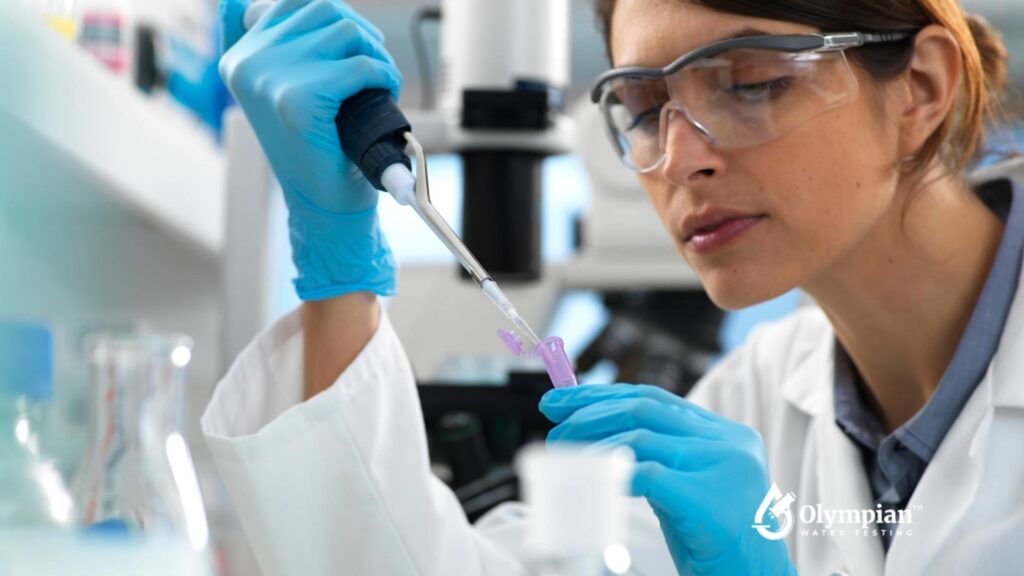
The testing process is rigorous, following strict guidelines and using advanced laboratory techniques. This allows for the detection of even trace amounts of contaminants. Environmental Public Health Officers (EPHOs), certified public health inspectors, play a key role. They test drinking water for physical, chemical, and radiological contaminants. They also share the results with communities, ensuring transparency and public awareness.
Canadian authorities also conduct targeted monitoring programs for specific concerns or emerging contaminants. For instance, Health Canada has set a new Drinking Water Objective for per- and polyfluoroalkyl substances (PFAS). This objective is 30 ng/L for the sum of twenty-five studied PFAS. It aims to keep PFAS levels "as low as reasonably achievable" (ALARA), based on their toxicological potency and detection frequency.
Specialized laboratories like ALS Canada offer PFAS drinking water testing services. These services include all forty PFAS analytes from US EPA Method 1633. The tests use stringent sampling protocols and have a detection limit for Total PFAS. This ensures accurate and reliable results.
Through regular testing and addressing emerging contaminants, Canadian authorities show their commitment to safe drinking water. The transparency and availability of water quality test results empower Canadians. They can make informed decisions about their drinking water and trust their municipal water supply.
Boil Water Advisories and Their Implications

Boil water advisories are issued when there’s a risk of microbial contamination in the water supply. They alert residents to water contamination risks and guide them on ensuring their drinking water is safe. These drinking water advisories are vital for protecting public health and preventing waterborne illnesses.
In Canada, advisories are often issued when coliform bacteria levels exceed acceptable limits or when treatment or chlorination systems fail. During an advisory, residents are advised to boil water for at least one minute before consumption. It’s also recommended to have a three-day supply of drinkable water, calculated at four litres per person per day for drinking and cooking.
Recently Lifted Long-Term Drinking Water Advisories
Several First Nations communities have recently had their long-term drinking water advisories lifted. This marks significant progress in addressing water quality issues in these areas. English River First Nation and Fort Severn First Nation are among the communities that have successfully resolved their water contamination alerts. They now enjoy safer, more reliable access to clean drinking water.
Recently Added Long-Term Drinking Water Advisories
Unfortunately, some First Nations communities have recently been added to the list of those under long-term drinking water advisories. Munsee-Delaware Nation, Pikangikum First Nation, and Rainy River First Nations are now facing the challenges of water contamination alerts. This highlights the ongoing need for investment and support in improving water infrastructure and treatment systems in these areas.
Community | Boil Water Advisory Status |
English River First Nation | Recently Lifted |
Fort Severn First Nation | Recently Lifted |
Munsee-Delaware Nation | Recently Added |
Pikangikum First Nation | Recently Added |
Rainy River First Nations | Recently Added |
The impact of long-term drinking water advisories on First Nations communities is significant. These water contamination alerts pose health risks and create social and economic challenges. These challenges can have lasting effects on the well-being of residents. Addressing these issues requires a concerted effort from all levels of government and ongoing support and resources. This is necessary to ensure that all Canadians have access to safe, clean drinking water.
Hard Water Issues in Some Canadian Regions
In Canada, some areas struggle with hard water, which is rich in minerals like calcium and magnesium. Hard water isn’t harmful to health but can cause limescale buildup. This affects the performance of household appliances. Cities like Brampton and Mississauga, with over 1.5 million residents, face this issue.
The mineral content in hard water varies by region. Brampton’s 2023 water quality report shows its water meets Canadian standards, despite being moderately hard. Mississauga’s water, from the South Peel Drinking Water System, also has moderate hardness due to its mineral content.
Hard water impacts daily life, from cleaning to personal care. The table below compares water hardness levels and their effects in Brampton and Mississauga:
City | Water Hardness Level | Potential Impact |
Brampton | Moderately Hard | Limescale buildup, reduced appliance efficiency |
Mississauga | Moderately Hard | Soap scum, mineral deposits on fixtures |
While hard water isn’t harmful to health, it poses inconveniences and aesthetic issues. Residents in hard water areas might choose water softening solutions. This helps prevent mineral buildup and protects plumbing and appliances.
Drinking Tap Water vs. Bottled Water in Canada
In Canada, the choice between tap water and bottled water involves environmental impact, cost, and convenience. While bottled water may offer convenience, tap water is more eco-friendly and cost-effective for most Canadians.
Environmental Impact of Bottled Water
The production and consumption of bottled water have significant environmental consequences. It takes at least twice the water to make a plastic bottle than to fill it. Bottled water production consumes over 2000 times more energy than tap water. Only about 10% of plastic waste from bottled water is recycled in Canada, with 90% ending up in landfills or the environment.
A plastic water bottle takes approximately 500 years to decompose, breaking down into microplastics that harm ecosystems. The environmental impact of bottled water is 1400 times higher in terms of species loss compared to tap water. The resource use for bottled water is 3500 times higher than tap water. Choosing tap water over bottled water can significantly reduce environmental footprint and contribute to a sustainable future.
Cost Comparison of Tap and Bottled Water
Drinking tap water also offers significant water cost savings for Canadian households.

Tap water costs about $0.001 per litre, while bottled water ranges from $0.16 to $5.00 per litre. This means consumers pay 160% to 5,000% more for bottled water compared to tap water. Up to 45% of bottled water in Canada is sourced from the same sources as municipal tap water, making the cost difference even more striking.
Water Source | Cost per Litre | Cost Difference |
Tap Water | $0.001 | – |
Bottled Water (Low End) | $0.16 | 160 times more expensive |
Bottled Water (High End) | $5.00 | 5,000 times more expensive |
By opting for tap water, Canadian households can save hundreds or even thousands of dollars annually. These savings can be used for other essential expenses or invested in a home water filtration system for added peace of mind.
Water Filtration Options for Canadian Households
In Canada, tap water is generally safe, yet many households choose extra filtration for better taste and to remove contaminants. Canadians have a variety of home water filters to choose from, ranging from simple pitcher filters to advanced reverse osmosis systems. This allows them to customize their water purification to fit their needs.
Many municipalities use chlorine to disinfect water, which can stay in the water and pose health risks over time. Old infrastructure can also affect water quality. Filters can eliminate impurities, enhance taste and smell, and make water safer for everyday use. About 20% of households worry about their drinking water quality, showing a strong demand for filtration solutions.
There are several options for home water filtration:
- Whole house filtration systems, connected to the main water inlet, ensuring pure water from every faucet
- Under sink water filtration systems, providing high-quality drinking water on demand in a compact design
- Combined water systems, tailored to meet specific household needs for drinking water and all chores
- Purified water systems, such as reverse osmosis or ultrafiltration, for higher purity and contaminant removal
Choosing a filtration system can also save money on water and maintenance costs. About 30% of consumers filter their water mainly to improve taste and reduce chemical exposure. The increasing concern for the environment and the effort to cut down on single-use plastic bottles are boosting the demand for water purification and home water filters in Canada.
First Nations Communities and Tap Water Challenges
Canada is known for its pristine drinking water, yet many First Nations communities struggle with access to clean tap water. Indigenous water quality is a significant concern, with thousands enduring long-term boil water advisories on reserves nationwide.
Currently, 31 long-term drinking water advisories impact 29 reserves, with some advisories lasting over 25 years. The Neskantaga Public Water System in Ontario has been under advisory continuously from 1995. The lack of funding for water system maintenance on reserves is estimated at $138 million annually, exacerbating this issue.
Statistic | Value |
First Nations’ water systems at high or medium risk of contamination | 73% |
Waterborne infection rate in First Nations communities compared to Canadian national average | 26 times higher |
Drinking water advisories lifted in First Nations communities | 144 |
Long-term drinking water advisories as of September 28, 2023 | 33 |
The Canadian government has pledged to eliminate long-term drinking water advisories on reserves by March 2021. Despite this commitment, 28 water systems across 26 First Nations reserves remain under advisories as of January 19, 2024.
In December 2023, Bill C-61, the proposed First Nations Clean Water Act, was introduced to address water management and infrastructure for First Nations. A class-action lawsuit by Shamattawa First Nation in 2022 seeks compensation for First Nations under drinking water advisories from June 20, 2020. Previous class actions were settled for $8 billion out of court.
Ensuring clean, safe drinking water for all Canadians, including those in First Nations communities, is a pressing challenge. It demands continuous effort and commitment from the government and the public.
Maintaining Tap Water Safety in Your Home
In Canada, tap water is generally safe, but homeowners can enhance water quality at home. Regular plumbing maintenance is key to keep contaminants out. This involves checking for leaks, replacing old pipes and fixtures, and insulating to prevent freezing. Professional inspections and repairs can catch issues early.
Running water after it’s been unused for a while is also important. Stagnant water in pipes can accumulate contaminants like lead and bacteria. Running cold water for a few minutes before drinking or cooking helps flush out these contaminants, ensuring fresher water.
Home water testing kits are essential for monitoring water quality. They help detect contaminants like lead, chlorine, and bacteria. If tests show harmful substances, homeowners can install filters or contact local water authorities. Regular testing and maintenance empower homeowners to ensure their families have access to clean drinking water.
FAQ