Navigating the Water Quality Landscape: Understanding Contaminants and Strategies for Prevention
- Published:
- Updated: December 16, 2024
Listen to this article
Summary
Water Quality Landscape Overview:
- Water, vital yet vulnerable, faces contamination risks.
- Understanding contaminants and prevention strategies is crucial.
- Proactive measures ensure a sustainable, healthy future.

Water is one of the most precious commodities on the planet – but it is also easy to pollute. The water quality landscape can be navigated only by a knowledge of which contaminants threaten its quality, and which are easily halted from entering our drinking water. The sooner we act to fix water quality problems, the better off we will be for people and the planet.
Understanding the Basics of Water Quality and the Different Types of Contaminants that Can Impact It
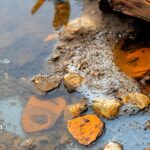
Water quality is the physical, chemical and biological properties of water such as temperature, pH, dissolved oxygen, contaminants and pollutants. Water can be polluted by many types of contaminants: chemicals, bacteria, viruses and more. Pesticides, industrial chemicals, heavy metals, drugs are some of the most frequent contaminants.
The Sources of Water Contamination and the Health Risks Associated with Exposure to Contaminants

This can be from farm runoff, industrial discharge, and clogged septic tanks. Either in the air, in the soil or by leaching treated sewage into the water supply are sources of contamination. Detected toxins can have serious health effects, such as cancer, birth defects and other chronic conditions. What’s more, pollutants can also affect the taste and smell of water, reducing water quality and making water-based activities less enjoyable.
What is the importance of regularly testing and monitoring water quality in homes and communities?
Regular testing and monitoring of water quality in homes and communities is extremely important for several reasons:
- Health and Safety: Contaminated water can lead to serious health issues such as gastrointestinal illness, skin infections, and even long-term health problems. Regular testing and monitoring can identify any potential hazards and prevent them from affecting the health of individuals.
- Environmental Protection: Water pollution can have adverse effects on the environment, including harm to wildlife and their habitats, and damage to ecosystems. Regular testing and monitoring helps to detect and prevent any environmental damage from contaminated water.
- Compliance with Regulations: In many countries, there are strict regulations regarding the quality of water that is supplied to homes and communities. Regular testing and monitoring helps ensure that water suppliers are meeting these regulations and providing safe and clean water.
- Peace of Mind: Regular testing and monitoring of water quality can give individuals and communities peace of mind, knowing that they are not being exposed to contaminated water and that their health and environment are protected.
The Role of Government Agencies and Regulations in Ensuring Safe Water Quality and Protecting Public Health
Government agencies and regulations play a critical role in ensuring safe water quality and protecting public health. The Environmental Protection Agency (EPA) is responsible for setting and enforcing national water quality standards, while state and local agencies are responsible for monitoring and enforcing water quality regulations. Additionally, regulations such as the Safe Drinking Water Act and the Clean Water Act help to protect public health by setting standards for water quality and limiting the discharge of pollutants into our water supplies.
The Impact of Industrial Activities on Water Quality and the Importance of Responsible Waste Management
Industrial activities can have a significant impact on water quality, with many industrial processes generating waste products that can contaminate water supplies. To minimize the impact of industrial activities on water quality, it’s important for industries to implement responsible waste management practices, including proper storage, treatment, and disposal of waste products. Additionally, industries can adopt sustainable practices, such as using green infrastructure and reducing water usage, to minimize their impact on water quality.
The Benefits of Using Green Infrastructure and Sustainable Practices in Preventing Water Contamination
Green infrastructure and sustainable practices can play an important role in preventing water contamination and improving water quality. Green infrastructure, such as rain gardens and green roofs, helps to reduce runoff and prevent pollutants from entering water supplies. Additionally, sustainable practices, such as reducing water usage and promoting water conservation, can help to conserve water resources and prevent contamination.
What are the Roles of Communities and Individuals in Protecting Water Quality Through Conservation and Advocacy Efforts?
Communities and individuals play a crucial role in protecting water quality through conservation and advocacy efforts. Some of the ways in which they can contribute include:
- Conservation: By conserving water, communities and individuals can reduce the strain on water sources, which can help maintain their quality. This can be done by using water-saving devices, fixing leaks, and practicing other water-saving techniques.
- Pollution Prevention: Communities and individuals can prevent pollution by properly disposing of hazardous waste, using pesticides and fertilizers responsibly, and avoiding actions that contribute to runoff and other forms of water pollution.
- Advocacy: Communities and individuals can advocate for better water quality by supporting policies and regulations that protect water sources and by participating in local, state, and national initiatives that aim to improve water quality.
- Community Involvement: Communities can organize volunteer clean-up efforts, educate residents about water conservation and pollution prevention, and work with local authorities to improve water quality in their area.
- Support of Environmental Organizations: Individuals can support environmental organizations that work to protect water quality, such as riverkeeper groups, advocacy organizations, and conservation groups.
The Effectiveness of Various Water Treatment Technologies in Removing Contaminants from Water
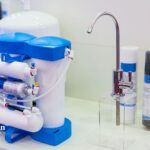
Water Treatment Technology: The physical, chemical and biological water treatment technologies used to remove the pollutants from the water are a few of them. Physical treatment: Filtration and sedimentation, for example, remove contaminants by capturing them physically in filters or settling them out of the water. Treatments using chemicals – disinfection, oxidation, and so on – remove or destroy pollutants. By way of biological treatments, built wetlands and bioreactors draw pollutants from water using natural processes. These treatments will not always be as successful as they should be based on the contaminants that are present in water and their concentration.
The Importance of Education and Public Awareness in Promoting Water Quality Conservation and Protection
Education and public awareness are essential to water quality management and protection. We can get more people to care about water quality and the challenges that our water resources face, and thus we can get more people engaged in the water quality conservation movement. A second option is education and public education that will help highlight water quality concerns and get people and communities to do their part in protecting water quality.
The Future of Water Quality and the Potential for New Technologies and Approaches to Prevent Contamination and Improve Water Quality
Water quality is promising, and there are new technologies and methodologies that can avoid contamination and make water better. Whether it’s cutting-edge water treatment equipment or green infrastructure technologies, the future for new technologies and methods of water quality enhancement is huge. The public awareness and education campaigns — along with additional funding for water quality research and development — will also ensure a promising future for water quality and clean and safe water for all.
There’s much that isn’t always obvious about the water quality landscape, but by understanding the various contaminants that can impact water quality and how to prevent them, everyone can have access to safe and clean water. Whether it’s regular testing and monitoring, community conservation or advocacy, people and communities can take many different actions to help water quality. As water quality technology continues to develop, as long as we invest in water quality management and protection, water quality looks promising.
Share this on social media:
Facebook
Twitter
LinkedIn