DIY Solutions for Fluoride-Free Drinking Water
- Published:
- Updated: February 17, 2025
Listen to this article
Summary
Fluoride in drinking water is often added to support dental health but can raise concerns about overexposure. Several DIY methods can effectively remove fluoride from water, including Activated Alumina Filtration, Reverse Osmosis (RO), Distillation, and Bone Char Carbon. Each method has its own advantages, with specific applications and maintenance requirements. Regular water testing is crucial to ensure the effectiveness of these systems in providing fluoride-free drinking water.
Key Points:
- Activated Alumina Filtration: Adsorbs fluoride ions effectively, requiring regular filter replacement.
- Reverse Osmosis: Removes up to 95% of fluoride, with the need for regular maintenance and possible post-treatment mineralization.
- Distillation: A straightforward method for small-scale use, although energy-intensive for larger quantities of water.
- Bone Char Carbon: A natural, effective filtration method, though performance may decline over time and needs monitoring.

Before delving into the methods of fluoride removal, it’s important to understand how fluoride enters our water supply. Fluoride is a naturally occurring mineral that can be found in various water sources, such as rivers, lakes, and groundwater. However, most municipal water systems add fluoride in controlled amounts to support dental health, a practice known as water fluoridation. This initiative has contributed to a significant decline in tooth decay over the decades. The concentration of fluoride in water can vary greatly depending on geographical location, local water treatment practices, and natural environmental factors. In urban settings like New York City, the fluoride levels in NYC tap water are carefully monitored to ensure they remain within safe limits, balancing dental benefits with potential health risks. While many residents appreciate the advantages of fluoridated water, concerns about excessive exposure have led some to seek methods for fluoride removal. Understanding the sources and concentrations of fluoride is crucial for those considering filtration options to meet their specific health needs.
Despite its benefits, the addition of fluoride to drinking water is not without controversy. Critics argue that the one-size-fits-all approach of water fluoridation does not account for individual variances in fluoride consumption from other sources, such as toothpaste, food, and beverages. Additionally, they point out that the decision to consume fluoride should be left to individual choice rather than mandated through public water supplies. These concerns have fueled interest in methods to reduce or eliminate fluoride levels in drinking water.
Health Implications of Fluoride
The primary purpose of adding fluoride to drinking water is to prevent tooth decay, which it does effectively by strengthening the tooth enamel and making it more resistant to acid attacks from bacteria in the mouth. However, concerns arise when fluoride is consumed in excessive amounts. High levels of fluoride intake have been linked to dental fluorosis, a condition that causes discoloration and mottling of the teeth, and in severe cases, skeletal fluorosis, which can lead to pain and damage to bones and joints.
These potential health risks have led many people to seek ways to limit their fluoride exposure. Some studies suggest that excessive fluoride consumption may also have negative effects on other aspects of health, though more research is needed to fully understand these implications. As a result, there is growing interest in reliable methods to reduce fluoride levels in drinking water, particularly among those who are already consuming fluoride from other sources.
Methods to Remove Fluoride from Water

Several techniques can be employed to remove fluoride from water, each offering varying levels of effectiveness, cost, and practicality. Here, we explore some of the most viable DIY solutions, providing guidance on implementation and maintenance to ensure you achieve the best results.
Activated Alumina Filtration
Activated alumina is a highly porous material that effectively absorbs fluoride ions from water. Widely used in water treatment facilities, it is also available in cartridge form for home use, making it an accessible option for those looking to reduce fluoride levels in their drinking water.
How It Works
Activated alumina functions on the principle of adsorption, whereby fluoride ions attach themselves to the surface of the alumina particles. The process is highly efficient, capable of reducing fluoride concentrations to below 0.1 mg/L, depending on the conditions of use. This method is particularly effective for water with high fluoride levels, offering a practical solution for many households.
DIY Application
- Purchase an Activated Alumina Filter: Ensure the filter is certified for fluoride removal and matches your household needs in terms of capacity and flow rate.
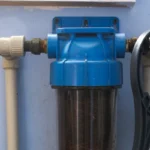
- Install the Filter: Most activated alumina filters can be easily attached to a standard water faucet or integrated into a larger home filtration system. It’s important to follow the manufacturer’s installation instructions to ensure proper functioning.
- Maintenance: Regularly replace the filter media according to the manufacturer’s guidelines to maintain its efficacy. Over time, the adsorption capacity of the alumina will diminish, necessitating timely replacement for continued fluoride removal.
Reverse Osmosis
Reverse osmosis (RO) is one of the most effective methods for purifying water and removing a wide range of contaminants, including fluoride. It involves forcing water through a semi-permeable membrane that blocks fluoride ions along with other impurities, resulting in cleaner water.
How It Works
RO systems are capable of removing up to 95% of fluoride by filtering water through a series of membranes. These membranes act as a barrier, allowing water molecules to pass through while leaving behind most dissolved solids and impurities. The process not only reduces fluoride levels but also improves overall water quality by eliminating other potential contaminants.
DIY Application
- Install an RO System: These systems can be installed under a kitchen sink for point-of-use filtration or as a whole-house system to provide purified water throughout the home. Consider your household’s water consumption needs when selecting a system.
- Regular Maintenance: Replace pre-filters and membranes regularly to ensure optimal performance. Failing to do so can lead to reduced efficiency and potential contamination.
- Post-treatment: Consider adding a mineralization stage to reintroduce beneficial minerals lost during the RO process. This can improve the taste and nutritional quality of the water.
Distillation
Distillation is a process of boiling water to produce steam, which is then condensed back into liquid form, effectively leaving impurities like fluoride behind. It is a straightforward and reliable method for achieving fluoride-free water.
How It Works
During the distillation process, water is heated until it turns into steam. As the steam rises, it leaves behind contaminants that do not vaporize at the same temperature, such as fluoride. The steam is then collected and cooled, resulting in distilled water that is free from most impurities.
DIY Application
- Set Up a Distiller: You can purchase a home water distiller or build one using a stainless-steel pot, a heat source, and a condenser. Home distillers are available in various sizes to suit different needs.
- Operation: Regularly operate the distiller to produce fluoride-free water. For best results, follow the manufacturer’s instructions regarding operation and maintenance.
- Considerations: Distillation can be energy-intensive and may not be practical for large-scale water needs. Consider using it for small-scale applications, such as drinking and cooking water.
Bone Char Carbon
Bone char carbon is made from animal bones that have been charred and processed. It is a traditional method for removing fluoride from water and remains a viable option for those seeking a natural filtration approach.
How It Works
Bone char carbon removes fluoride through adsorption and ion exchange processes, effectively reducing fluoride levels in the treated water. The porous structure of the charred bones provides ample surface area for fluoride ions to adhere to, making it an efficient filtration medium.
DIY Application
- Acquire Bone Char Filters: These are available as standalone filters or as part of larger water filtration systems. Ensure the filters are specifically designed for fluoride removal.
- Install and Use: Follow installation instructions carefully to achieve optimal results. Proper installation is crucial to maximize the filter’s effectiveness.
- Monitor Performance: Regularly test water quality to ensure fluoride levels are adequately reduced. Over time, the performance of bone char filters may decline, necessitating replacement or regeneration.
Factors Affecting Fluoride Removal
Several factors can influence the effectiveness of fluoride removal methods. Understanding these variables can help you choose the most suitable solution for your needs and optimize your filtration system‘s performance:
- pH Levels: The acidity or alkalinity of water can impact the adsorption capacity of certain filter media. For instance, activated alumina performs best within a specific pH range.
- Contact Time: Longer exposure of water to filter media generally results in more effective fluoride removal. Adjusting flow rates can enhance the efficiency of the filtration process.
- Water Temperature: Higher temperatures can enhance the removal process but may also reduce the lifespan of certain filters. It’s important to consider the operating conditions recommended by the filter manufacturer.
Testing and Monitoring Water Quality
To ensure the success of any fluoride removal method, regular testing of water quality is essential. Home testing kits are widely available and can measure fluoride concentrations, allowing you to adjust your filtration methods accordingly. Consistent monitoring will help you maintain safe fluoride levels in your drinking water.
Regular testing also provides peace of mind, ensuring that your chosen filtration method continues to perform effectively over time. By identifying any fluctuations in fluoride levels, you can take prompt action to address potential issues, such as replacing worn-out filters or adjusting system settings. This proactive approach helps safeguard the health and well-being of your household.
Conclusion
For those seeking fluoride-free drinking water, several DIY solutions offer effective and manageable options. By understanding the science behind each method and carefully considering installation and maintenance requirements, you can ensure access to clean, safe drinking water tailored to your preferences. These methods provide flexibility, allowing you to choose the approach that best suits your lifestyle and budget.
Incorporating regular water quality testing will further enhance your efforts, providing peace of mind and ensuring the health and well-being of you and your family. By taking control of your water quality, you contribute to a healthier living environment and make informed decisions about the substances entering your body through everyday hydration. Additionally, engaging a drinking water analysis lab can provide you with comprehensive insights into the specific contaminants present in your water supply, allowing you to take necessary actions for purification. With the results in hand, you can determine the best filtration or treatment options to ensure safe and clean drinking water. Ultimately, prioritizing water quality testing empowers you to safeguard your family’s health and foster a sustainable lifestyle.
Share this on social media:
Facebook
Twitter
LinkedIn

Related Posts