Industrialization and Water Quality: Exploring the Impact
- Published:
- Updated: January 2, 2025
Listen to this article
Summary
Industrialization poses a threat to water purity, with waste products contaminating water sources. Causes include waste disposal, pipeline leaks, and runoff from industrial sites. Consequences include loss of aquatic life, soil contamination, and economic impacts. Sustainable practices, strict regulations, and community involvement are crucial in mitigating this impact for a cleaner, healthier future.

Water is one of the most basic materials on the planet and life without it would be impossible. But with the increase of industrialisation, water quality has become more uncertain. Industrialisation and water quality impact is an interconnected phenomenon, and we need to know the causes, what the impact is, and how we can slow the effects.
Introduction to Industrialization and Water Quality
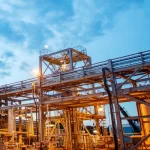
Industrialisation was a huge contributor to the modern world we live in today. It has produced breakthrough technology, greater growth and higher living standards. But industrialisation also ravaged the natural world, and especially water. Industrialisation means that raw material is turned into finished goods with huge amounts of water. This water is used for cooling, cleaning and energy generation among many other things. But industrial water can end up with toxic chemicals, heavy metals and other pollutants that can have harmful environmental and health effects.
What are the Causes of Water Contamination during Industrialization?

analyzing industrial water Quality Check Industrial Water quality Checkin Industries?
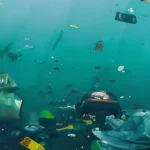
Water pollution as part of industrialisation has many causes. Many industrial activities leave waste products that are environmental and are typically disposed of in rivers and streams. The resulting water can be highly contaminated for both the environment and human health. Chemicals that end up being released into the environment can kill aquatic animals, disrupt food webs and even pollute water for human consumption.
Chemicals and other dangerous goods are transported and stored along pipelines and in storage tanks. These pipelines and tanks can over time get eroded and leak and releases harmful chemicals into the air. Leakage into groundwater, streams and other water sources that can be harmful to human and natural resources.
Chemicals and heavy metals in the rain from industrial operations can be sucked into local waters. This run-off leads to water contamination that damages fish and other wildlife, interferes with the food web and even enters the drinking water.
The agriculture industry, for example, may be polluting the groundwater — the most important source of water for most people — through the application of pesticides and fertilisers. These chemicals can also be used to pollute drinking water that is toxic to humans and the environment.
The Consequences of Water Contamination during Industrialization
The consequences of water contamination during industrialization are far-reaching and can have serious implications for the environment and human health. Some of the most significant consequences include:
- Loss of aquatic life: Water contamination can result in the death of aquatic life, including fish, plants, and other organisms that are essential to the ecosystem. This can have serious consequences for the food chain, as well as for the health of the environment as a whole. The loss of aquatic life can also disrupt the balance of ecosystems, leading to a decline in biodiversity and the loss of valuable resources.
- Contamination of drinking water: Water contamination can result in the contamination of drinking water, which can have serious consequences for human health. Exposure to contaminated water can result in a range of health problems, including skin irritations, gastrointestinal problems, and even cancer. Contaminated drinking water can also lead to outbreaks of waterborne illnesses, which can have a significant impact on public health.
- Soil contamination: Water contamination can result in the contamination of soil, which can have serious consequences for agriculture and food production. Contaminated soil can result in the growth of crops that are toxic and unsafe for human consumption, leading to a decline in food security and economic stability. Soil contamination can also result in the loss of valuable farmland, reducing the ability of communities to grow their own food and support themselves.
- Economic impact: The consequences of water contamination during industrialization can have a significant impact on the economy. This can include the costs associated with cleaning up contaminated sites, as well as the costs associated with treating contaminated water and soil. The economic impact of water contamination can also result in job losses, decreased economic growth, and reduced competitiveness in the global marketplace.
The Importance of Clean Water
Access to clean water is essential for human health and well-being. Clean water is necessary for drinking, cooking, and personal hygiene, and it plays a critical role in preventing the spread of waterborne illnesses. Clean water is also essential for agriculture, as it is necessary for irrigation and the growth of crops. Without access to clean water, communities can suffer from a decline in food security and economic stability.
The Importance of Sustainable Industrial Practices
Sustainable industrial practices are essential in mitigating the impact of industrialization on water quality. This can include reducing the use of hazardous chemicals, implementing best practices for waste management, and investing in technologies that prevent the release of pollutants into the environment. Sustainable industrial practices can help to ensure that our water remains clean and safe, even as industrialization continues to advance. By adopting sustainable industrial practices, industries can play a critical role in protecting water quality and the environment for future generations.
What are the Steps in Mitigating the Impact of Industrialization on Water Quality?
There are several steps that can be taken to mitigate the impact of industrialization on water quality. Some of the most effective strategies include:
- Proper waste management: Proper waste management is crucial in preventing water contamination during industrialization. This can include implementing best practices for handling and disposing of hazardous waste, as well as investing in technologies that can reduce waste generation in the first place. Proper waste management can help to reduce the amount of pollutants that are released into the environment, protecting water sources and the environment as a whole.
- Strict regulations: Governments can play a significant role in mitigating the impact of industrialization on water quality by implementing strict regulations that require industries to reduce their impact on the environment. This can include regulations that limit the discharge of pollutants into waterways, as well as regulations that require industries to implement best practices for waste management. Strict regulations can help to ensure that industries are held accountable for their actions, protecting the environment and public health.
- Investment in water treatment technologies: Investment in water treatment technologies can help to mitigate the impact of industrialization on water quality. This can include technologies that remove contaminants from water, as well as technologies that prevent the release of pollutants into the environment in the first place. Investment in these technologies can help to ensure that our water remains clean and safe, even as industrialization continues to advance.
- Sustainable agriculture practices: Sustainable agriculture practices, such as reducing the use of pesticides and fertilizers, can help to prevent groundwater contamination and ensure that our drinking water remains clean and safe. Sustainable agriculture practices can also help to reduce the amount of pollutants that are released into the environment, protecting water sources and the environment as a whole.
- Community engagement: Community engagement is crucial in mitigating the impact of industrialization on water quality. This can include educating communities about the importance of clean water and the consequences of water contamination, as well as engaging communities in the development of solutions to water contamination. Community engagement can help to raise awareness about the issue and empower communities to take action to protect their water sources and the environment.
The Future of Water Quality
Water quality will not happen unless we act now. If we can act to protect water quality and to reduce industrial interference with water resources, then a good and sustainable future for our Earth is possible. But unless we do, water quality will worsen further and the effects of industrial activities on water sources will become more serious. We have to do something to keep water safe, and to keep the world a healthy place to live in the future.
Share this on social media:
Facebook
Twitter
LinkedIn

Related Posts