Importance of Clean Water for Livestock Health and Well-Being
- Published:
- Updated: December 16, 2024
Listen to this article
Summary
Clean water is indispensable for the health and well-being of livestock, impacting their physiological processes, immune system, and reproductive capabilities. Access to clean water ensures proper hydration, digestion, and waste elimination, while safeguarding against diseases and infections. Monitoring water quality through chemical, bacteriological, and physical analysis is crucial to identify contaminants and ensure safety. Water treatment methods like filtration, chemical treatment, and UV sterilization play a vital role in purifying water for livestock consumption. Implementing water quality management systems and adhering to regulatory requirements are essential to maintain standards. Clean water significantly influences livestock growth, development, and reproductive performance. To minimize environmental impacts, water recycling, conservation practices, and collaborative efforts between the livestock industry, water treatment facilities, and government agencies are imperative for sustainable water management in livestock operations.

Every living creature, including livestock, lives on water. Ensuring animals’ physical and physiological wellbeing, productivity and reproductive capacity, depend on clean water.
The Vitality of Clean Water for Livestock Health and Well-being
The importance of clean water for livestock health and wellbeing cannot be overstated. Digestion, metabolism, temperature control and so many physiological functions are played out by water. It also keeps the body’s fluids and electrolytes balanced, and is required to excrete waste products. Water is needed to keep the immune system active and healthy to guard livestock from disease and infection.
Livestock without access to safe water risk all manner of health issues such as dehydration, starvation and weak immune systems. When animals are dehydrated, they will receive less feed, eat less and make less. But it also risks heat stress that can kill animals. If the animal’s body temperature becomes too hot for it to function, heat stress results in many negative health outcomes, from feed loss and milk loss to death.
The animal can also become malnourished when there is not enough clean water because the animal is not able to break down and absorb nutrients in their food. This will cause them to lose weight, feed less effectively and have less successful reproduction. A starving animal is more likely to develop diseases and infections, leading to higher veterinary fees and lower productivity.
Low water quality can also weaken the immune system of animals and leave them susceptible to disease and infection. It can mean more expensive vet bills, less productivity and even, in the worst cases, death. Water quality also affects the reproductive ability of animals – reduced birth rates and lower growth in children.
Monitoring Water Quality

We need to measure and control water quality so livestock are supplied with clean, safe water. Chemical analysis, bacteriological analysis, physical testing are some of the analytical procedures and techniques that can be used for this purpose.
The chemicals in the solution are measured to check for heavy metals, pesticides and other harmful materials. This kind of assessment is essential for determining if there are any health risks in the water supply, and whether or not the water can be used by livestock.
The results of bacterial tests are used to detect disease-causing bacteria and other microbes in the animals. This is the kind of analysis that can help to detect possible infecting sources in the water supply and to ensure that the water doesn’t contain pathogens.
The temperature, pH, turbidity, etc., are tested in physical test. Such tests are necessary to determine the physical nature of the water, and to check for any issue that might affect livestock health and welfare.
The quality of water must be regularly assessed to make sure it is safe for animals to drink. You can do this by testing and monitoring the water source regularly and using best practices for water purification and treatment. Periodic monitoring is useful for getting rid of problems in the first place, and getting them solved as soon as possible.
Water Treatment and Purification
Water purification and treatment are two key processes to make sure livestock has clean water. This can be achieved in a number of ways: filtering, chemical process, UV sterilization.
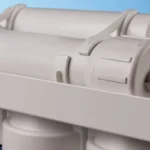
The act of filtration is physical separation of the waste from water by means of a filter cloth. That can be sand filters, activated carbon filters, reverse osmosis systems and more. : Filtration is a very effective means of purifying water of heavy metals, pesticides and other contaminants; however, it is typically performed along with other procedures to obtain best results.
Chemical treatment : Chemicals are used to treat the water to remove contaminants and impurities. This might involve chlorine, ozone or other chemical to kill germs and viruses, or chemicals added to get heavy metals and other contaminants out of the water.
This process, UV sterilization, destroys harmful bacteria and viruses from the water using UV radiation. It works for purging pathogenic microorganisms from the water, and can be paired with filtration and chemical treatment for best results.
Implementing Water Quality Management Systems
A water quality management system is one way to ensure animals have clean and safe water. This can be by checking the water frequently, best practices for water treatment and filtration, and developing a strategy to manage issues.
— Best water treatment and purification procedure: Use a multiple step process. Filtration, chemical treatment, UV sterilisation and so on. This helps in removing the contaminants and pollutants from the water and is high in protection for the health and welfare of livestock.
Optimal is also to check water supply regularly and test water frequently to be sure it’s safe for drinking. These include regular bacteriological water testing, chemical testing, physical testing and others. Monitoring and testing are always carried out in a way that allows you to identify problems early and act upon them.
Regulatory Requirements for Water Quality in Livestock Operations
Regulations for the water quality of animal operations vary from one site to another and from size to type. In most countries, the minimum standards for water used by livestock are already defined. They are rules to safeguard the health and safety of livestock and public and are usually enforced by government departments.
Livestock operations should be familiar with the water quality regulation and adhere to it, because if not followed penalties, fines and other legal consequences can follow. Non-conformity can also cause bad publicity that can be damaging to the operations image and affect the way it performs financial.
The Impact of Water Quality on Livestock Growth and Development
The environment affects how livestock develop. Animals that have clean water are more likely to be well-mannered, and to grow faster, feed more effectively, and be better off in reproduction.
Water in the tank must be clean to ensure the proper development of the young. It’s because animals that have access to clean water give birth to healthy children, who are also born at higher birth rates and larger.
Minimizing the Environmental Impacts of Water Use in Livestock Operations
Aquaculture uses water in large-scale environments that have a lot of environmental costs, such as depletion of resources, pollution of watercourses, and emissions of toxic substances. Livestock herds need to minimise these effects and ensure sustainability through best-in-class water management and conservation.
To reduce the environmental footprint of water use in animal operations, water recycling and reuse is one approach. Such can be in the form of collection and treatment of wastewater and usage of treated wastewater for irrigation, cleaning and so forth. This will save water, prevent pollution and encourage sustainability.
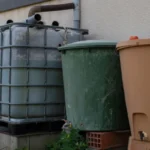
Another solution to the reduction of water-use in animal operations is to use water-saving technologies and practices. That could be low-flow fixtures, rainwater harvesting, drought resistant landscaping, etc. These can be done to save water and cut water use in livestock operations.
Collaborating for Improved Water Quality in Livestock Operations
We can work with water treatment plants, government and others to ensure water quality and animal health and welfare. These might be through the exchange of information and best practices, through partnerships and joint ventures, or participation in water quality projects and programs.
Viral industry also has opportunities to partner with other sectors such as agricultural and food industries in the promotion of water sustainability and water usage reducing environmental impact. This might be through joint water planning, water conservation and reuse programs, and the implementation of sustainable water usage.
We all need to use clean water in order to maintain the health and wellbeing of livestock, and the livestock industry must be able to focus on water quality and provide livestock with access to clean water. Such as routine water testing and monitoring, water treatment and filtration, water management, etc. Vial industry can also work with water treatment plants, government agencies and other stakeholders to maintain water quality and ensure sustainable water management.
Share this on social media:
Facebook
Twitter
LinkedIn

Related Posts