Essential Tips for Recreational Water Safety Testing
- Published:
- Updated: December 24, 2024
Listen to this article
Summary
Recreational water safety testing is essential for maintaining clean and safe swimming pools, spas, and hot tubs. Regular monitoring of water quality helps prevent health issues and ensures a pleasant experience. This guide offers essential tips on testing, identifying contaminants, and adhering to regulatory requirements.
- Water Quality Importance: Proper water quality protects against pathogens, ensures comfort, and prevents equipment damage.
- Testing and Maintenance: Regular tests for pH, chlorine, and microbial levels are necessary, with on-site and laboratory methods used based on need.
- Education and Prevention: Educating staff and users helps foster a culture of safety and reduces contamination risks.
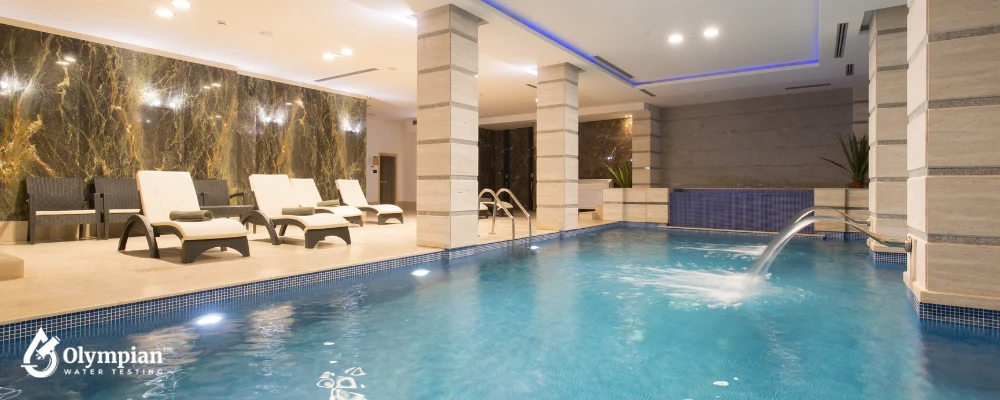
Recreational water safety testing is a crucial aspect of maintaining healthy and enjoyable swimming pools, spas, and hot tubs. It involves monitoring water quality to ensure it meets regulatory standards and is safe for users.
However, the process can be complex. It requires a deep understanding of water chemistry, testing methods, and regulatory requirements.
This article aims to demystify recreational water safety testing. It provides essential tips and practical advice to help you maintain optimal water quality in your recreational water facilities.
We’ll explore common contaminants, the role of disinfectants, and the importance of pH levels. We’ll also explore into the regulatory landscape and the consequences of non-compliance.
Whether you’re a facility manager, a public health official, or a pool owner, this guide will equip you with the knowledge you need.
Let’s dive in and explore the world of recreational water safety testing.
Understanding Recreational Water Safety Testing
Recreational water safety testing involves systematically evaluating the water in swimming pools, spas, and hot tubs. The goal is to identify and mitigate health risks associated with waterborne contaminants.
Testing focuses on various parameters, including microbial and chemical elements that could harm users. This process plays a vital role in safeguarding public health and ensuring a pleasant water experience. Regular testing not only prevents illnesses but also helps maintain the infrastructure of these recreational facilities.
Why Water Quality Matters in Recreational Settings

Water quality is essential for user safety and comfort in recreational settings. Poor water can lead to various health issues, including skin infections, respiratory problems, and gastrointestinal illnesses.
Several factors determine water quality, like disinfectant levels, pH balance, and user load. Maintaining these factors within recommended ranges is crucial for a safe environment.
- Prevents the spread of pathogens.
- Ensures comfortable swimming conditions.
- Protects facility equipment from corrosion.
Identifying Common Contaminants
Recreational waters can harbor various contaminants that pose health risks to users. Bacteria, viruses, and parasites are the most common biological threats. These microorganisms can thrive in warm, humid environments like pools and hot tubs.
Chemical contaminants such as nitrates and heavy metals can also be present, often due to external environmental factors. Monitoring these contaminants is essential for maintaining water safety.
- Bacteria: E. coli, Legionella
- Viruses: Hepatitis A, Norovirus
- Parasites: Cryptosporidium, Giardia
Regulatory Requirements and Best Practices
Adhering to regulatory requirements is essential for recreational water safety. Different countries and regions have specific guidelines and standards that must be followed. These regulations ensure that water quality is consistently monitored and maintained.
Best practices go beyond mere compliance. They include proactive measures such as regular maintenance and testing. These practices enhance user safety and prolong the life of water facilities. Both regulatory adherence and best practices protect public health and promote a safe recreational environment.
Complying with Water Quality Standards
Water quality standards encompass various parameters, including microbial counts and chemical levels. Compliance involves regular testing to ensure these parameters meet health guidelines. This vigilance helps to mitigate potential health risks, ensuring safer recreational water environments.
Failure to comply with these standards can result in significant penalties. It can also pose serious health threats to users. Facilities must familiarize themselves with local regulations and follow them diligently. Regular audits and inspections are vital to maintain compliance.
Testing Frequency for Pools, Spas, and Hot Tubs
Testing frequency varies based on the type of recreational water facility. Swimming pools typically require daily testing due to their higher usage. Spas and hot tubs, with their warmer temperatures, may require more frequent checks.
Testing should cover a range of factors to ensure comprehensive water quality assessment. Facilities should develop a tailored testing schedule that reflects their specific conditions.
- Pools: Test daily for pH and chlorine.
- Spas: Test before each use for microbial levels.
Hot Tubs: Test frequently for temperature stability and contaminants.
Conducting Water Quality Testing
Proper water quality testing is crucial for maintaining safe recreational environments. It begins with understanding the parameters that need testing, such as chlorine levels, pH, and microbial counts. Each of these elements plays a role in ensuring swimmer comfort and safety.
Effective testing requires reliable equipment and a solid grasp of testing techniques. Facility managers should be well-trained in both utilizing testing kits and interpreting results. Regular testing not only keeps the water clean but also prevents costly interventions later.
Collecting Water Samples Correctly
Accurate water sampling is vital for valid test results. Collect samples from at least elbow depth to avoid surface contaminants, ensuring that the sample accurately represents the body of water. Timing also plays a key role; samples should be collected during peak usage hours for a realistic assessment.
Store samples properly to maintain their integrity until testing. Use clean, sterile containers to prevent contamination. Immediate testing is recommended, but if delayed, refrigeration helps preserve sample quality.
On-Site vs. Laboratory Testing Methods
On-site testing offers quick assessments, providing immediate feedback on water quality. It’s ideal for routine checks and uses portable testing kits for parameters like pH and chlorine. However, it may not detect all potential issues, especially more complex contaminants.
Laboratory testing provides a comprehensive analysis with sensitive equipment. It’s best for detailed microbial and chemical evaluations. Facilities often balance both methods to ensure thorough monitoring and cost-effectiveness.
- On-Site: Quick, convenient, suitable for daily checks.
- Laboratory: Detailed, precise, ideal for comprehensive analysis.
Interpreting Test Results and Taking Action
Test results offer a snapshot of the water’s current state. Understanding these results allows for timely interventions. Chlorine, pH levels, and microbial counts should meet established safety standards to ensure safe water conditions.
Once test results are available, quick analysis is crucial. Compare results with regulatory benchmarks to identify any deviations. Corrective actions can then be undertaken to rectify issues and maintain optimal water quality.
Understanding Acceptable Levels and Indicators
The interpretation of acceptable levels involves recognizing and understanding the safety benchmarks. Chlorine levels typically range between 1-3 parts per million (ppm) for effective disinfection. This ensures microbes are effectively controlled without compromising swimmer safety.
pH levels should be between 7.2 and 7.8 for balanced water. Staying within these parameters helps protect against skin irritation and equipment corrosion. Monitoring indicators like turbidity and color offers further insights into water clarity and quality.
Addressing Water Quality Issues
Identifying issues is only the beginning; proactive steps must follow to maintain safety. If test results show out-of-range parameters, addressing these promptly is vital. Start with adjusting chemical levels, like adding chlorine or balancing pH.
Routine checks and maintenance help identify potential problems early. Sometimes, shock treatments or filtration adjustments might be needed to restore proper conditions. Effective communication with staff ensures everyone is aware of ongoing issues and solutions.
- Adjust chemicals to correct imbalances.
- Use shock treatments to clear contaminants.
- Ensure proper filtration for continuous water quality.
Maintaining Recreational Water Quality
Sustaining high water quality is crucial for health and safety. Implementing a comprehensive maintenance plan ensures the longevity of water systems and protects users. Regular monitoring of all system components keeps everything functioning optimally.
Frequent testing allows for the early detection of potential problems. Regular inspections of equipment and chemical levels help in preventing mishaps. Consistent adherence to best practices maintains water quality, safeguarding recreational users.
Filtration, Circulation, and Disinfection
Successful maintenance hinges on effective filtration, circulation, and disinfection. Filtration removes unwanted particles, enhancing water clarity. Circulation ensures even distribution of chemicals and prevents stagnation, promoting consistent water quality.
Disinfection, typically using chlorine or bromine, is crucial to eliminating harmful pathogens. An integrated approach combining all three ensures comprehensive water management. Proper maintenance of these systems reduces the need for extensive corrective measures.
- Inspect and clean filters regularly.
- Maintain optimal pump function for circulation.
- Adjust disinfectant levels according to usage and test results.
Education and Prevention Strategies
Educating facility staff and users fosters a culture of prevention and safety. Knowledgeable staff can swiftly address potential issues and ensure user compliance with safety measures. Clear communication of rules and guidelines to users is essential.
Implement educational programs that highlight the importance of water hygiene and safe practices. Prevention strategies include proper signage and readily available safety information, contributing to informed users and reduced contamination risks.
- Conduct regular training sessions for staff.
- Create informative materials for users.
Display clear signage about safety practices and hygiene rules.
Conclusion: Ensuring Safe and Enjoyable Recreational Water Experiences
Prioritizing recreational water safety testing promotes both safety and enjoyment. By understanding and implementing comprehensive water quality measures, you protect users while ensuring that facilities operate efficiently. Through regular testing and proactive maintenance, you can guarantee a safe, pleasant, and worry-free aquatic experience for everyone.
Share this on social media:
Facebook
Twitter
LinkedIn

Related Posts