How to Choose the Right Water Distillation System for Your Home: A Practical Guide
- Published:
- Updated: July 9, 2025
Listen to this article
Summary
Water distillation ensures purified, safe drinking water for your household. Understanding the science behind distillation helps appreciate its effectiveness. Consider factors like cost, size, capacity, and installation ease when choosing a system.
- Water distillation removes impurities through heating, evaporation, and condensation.
- Different types of distillation systems suit various household needs.
- Factors to consider include cost, size, capacity, installation, maintenance, and energy consumption.
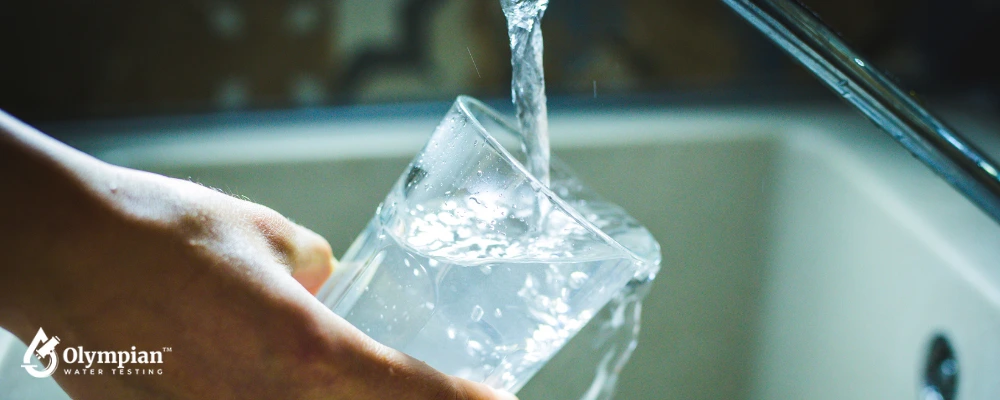
Drinking water that is clean and safe is a basic requirement for any home. For the best assurance you can have that you are drinking filtered water, use a water distillation machine. It’s a technique of distilling water to remove contaminants from water through heating, evaporation and condensation. It’s the most proven water purification method that kills bacteria, viruses, heavy metals, chemicals, etc. By choosing a home water distillation system, you’re choosing something that keeps you with filtered, cleaner water that’s better for you and tastes better too.
Most home owners like a water distillation system for the simplicity and efficiency it provides over any other filter system. Distillation machines don’t need filter change, and can handle a larger range of contaminants than other equipment.
The Science Behind Water Distillation
If you know the science of water distillation, you’ll know that it works. The water is first boiled to produce steam. This steam bubbles, skimming off the majority of contamination. The steam is fed into a condensing coil where it settles and reverts to a liquid – now it’s distilled water.
But you must bear in mind that although distillation purifies almost everything, VOCs with boiling points lower than water might dissipate and evaporate with the steam. Some distillers handle this with a venting system or post-destillation activated carbon filter.
Different Types of Distillation Systems

There are various types of home distillation systems available, each with its own strengths and considerations.
- Countertop distillers are compact, easy to use, and ideal for small households.
- Whole house distillers provide purified water for all uses throughout your home, but they can be expensive and require professional installation.
- Automatic distillers fill up the storage tank automatically once it’s empty, making them convenient for large households.
- Manual distillers are usually smaller, cheaper, and portable, but require manual refilling.
Your choice will depend on your household’s needs, space, and budget.
What are the Factors to Consider when Choosing a Distillation System?
When selecting a distillation system, consider the following factors:
- Cost: Consider both the upfront cost and the long-term costs of operation and maintenance.
- Size: Make sure the system fits in your allocated space.
- Capacity: Choose a system that can produce enough distilled water for your household’s daily needs.
- Ease of installation: Some systems require professional installation, while others can be set up by the user.
- Maintenance needs: Some systems may require regular cleaning to remove mineral deposits.
- Energy consumption: Distillation systems can use significant energy, so consider the impact on your electricity bill.
Efficiency: Check how much water the system can purify per hour and the amount of water waste produced.
Understanding Your Water Quality

Before investing in a distillation system, it’s advisable to have your water quality tested. This will give you a clear picture of the contaminants in your water, and whether a distillation system is the best solution.
A water test can detect contaminants such as bacteria, heavy metals, pesticides, and nitrates. Remember, while distillation is effective in removing many contaminants, it might not be the best solution for all types of impurities, such as certain volatile organic compounds.
Installation and Maintenance of Distillation Systems
Installing a water distillation system can range from simple to complex, depending on the type of system. Countertop and manual systems are typically plug-and-play, while whole house and automatic systems may require professional installation. Always follow the manufacturer’s instructions for installation to ensure optimal performance.
Maintaining your distillation system is crucial for its longevity and effectiveness. Regularly clean the boiling chamber to remove any mineral build-up. Some systems also come with a post-distillation carbon filter that needs to be replaced periodically.
Environmental Considerations of Using a Water Distillation System
Water distillation machines are good for drinking, but they’re also dangerous to the environment. Distillation systems are more energy-hungry than other water filtration units, because they heat. You will be making more carbon footprint, especially if your electricity is from non-renewable sources.
And waste residue — concentrated pollutants remaining in the boiling chamber — also has to be properly disposed of. But these are all fair points, and overall waste and energy are not a big concern for home distillation.

Reviews and Recommendations
Last but not least, research and get some recommendations before you buy a distillation system. There are plenty of reviews on the internet written by people who have experienced these systems first-hand. Listen to how it performs, how stable it is, how customer service you receive and whether or not you’re satisfied.
Think about different price ranges – some of the best systems are actually pretty cheap. Maybe even call in a water treatment expert for a tailored solution specific to your situation and needs.
Finding the best water distillation system for your home can be intimidating, but it needn’t be. Learn the science of distillation, consider your requirements, water condition and research to find a system that is right for your home. Not only will this give you access to safe, clean drinking water, but you’ll have the security of knowing that you’re protecting your family’s health.
Comparing Water Distillation with Other Filtration Methods
Water distillation is great but you need to contrast it with other filtration methods. Reverse osmosis, for example, gets rid of many of these contaminants as well and is generally more efficient. Activated carbon filters work particularly well against chlorine and organics, but might not as well against heavy metals. Ultraviolet (UV) purification is great for bacteria and viruses but doesn’t eliminate chemical residue. Reviewing these options allows you to make a better decision based on your water quality and home use.
Conclusion: Choosing the Right Water Distillation System
Choosing the correct water distillation system includes knowing what distillation is, which systems to choose, cost, capacity, and maintenance. Compare distillation to other filtration systems and find out your home water needs and make an educated decision to give your home a supply of pure safe drinking water. This is an investment in water quality, but it is also in your family’s health and wellbeing.
Share this on social media:
Facebook
Twitter
LinkedIn

Related Posts