How Safe Is It to Shower in Contaminated Water?
- Published:
- Updated: February 17, 2025
Listen to this article
Summary
Showering in contaminated water poses significant health risks.
- Pathogens and chemicals can be absorbed through the skin and inhaled, causing infections and respiratory issues.
- Common contaminants include bacteria, viruses, chemicals, and heavy metals, leading to skin irritation and long-term health problems.
- Health authorities recommend using treated or filtered water for showering to ensure safety.

Water contamination is a chronic problem with a huge health impact. Much is being said about the dangers of drinking contaminated water, but the dangers of using it for personal hygiene (including washing our bodies) are just as concerning. In this post, we discuss when and if it is safe to shower in a water source that is contaminated.
Pathogen Exposure Through Skin and Inhalation
When we shower in contaminated water, not only is it being exposed to our skin, but also by inhaling water vapour and mist. There are pathogens and chemicals in the water that will get aerosolised and get into the respiratory tract, causing respiratory infections and other illnesses. Even the skin – as an ostensible defense mechanism – can pick up contaminants, which have harmful consequences for health. Additionally, prolonged exposure to contaminated water can lead to various skin issues from contaminated water, including rashes, eczema, and other irritations. The toxins absorbed through the skin can disrupt its natural barrier, making it more susceptible to infections and inflammation. It’s essential to be mindful of water quality, especially when bathing, to protect both our respiratory health and skin integrity.
Common Contaminants and Their Effects

- Bacteria and Viruses: Pathogens like Legionella, E. coli, and staphylococcus can cause skin infections, respiratory illnesses, and other health problems. Legionella, for example, thrives in warm water and can lead to severe respiratory issues if inhaled in mist form.
- Chemicals: Pesticides, chlorine, and industrial chemicals can lead to skin irritation, rashes, and allergic reactions. Continuous exposure to these chemicals, even at low levels, can result in chronic skin conditions.
- Heavy Metals: Lead, mercury, and arsenic can be absorbed through the skin, causing long-term health effects such as neurological damage and developmental issues. Repeated exposure, especially for vulnerable populations like children and pregnant women, is particularly dangerous.
Case Studies and Incidents
Historical cases of water contamination, such as those in Flint, Michigan, and Camp Lejeune, North Carolina, highlight the dangers of using contaminated water for personal hygiene. Residents in these areas reported a range of health issues, including skin problems and respiratory infections, linked to contaminated water. These incidents underscore the need for vigilance and proactive measures in regions with known water quality issues. Efforts to address these crises often included calling in experts and utilizing a laboratory to test for contaminated water, which allowed for the identification of harmful substances and the development of remediation strategies. Public awareness campaigns were initiated to educate residents about the risks associated with using contaminated water for everyday activities. Ultimately, these cases serve as a crucial reminder of the pressing need to ensure safe drinking water and promote effective water management practices in all communities.
Health Authority Guidelines
Medical organizations like the CDC and WHO advise not washing your hands with contaminated water. If you’re visiting an area with low water quality, they recommend that you shower with treated or bottled water to avoid harming yourself. For example, the CDC points out that we need to make sure we’re drinking clean water that is not contaminated with germs and toxic chemicals for all personal care products.
Preventive Measures
If you’d like to keep yourself healthy and shower safely, here are some precautions to make:
Boiling Water: Boiling water destroys a good number of pathogens and it is safe to shower with. But boiling doesn’t clean away chemical residue or heavy metals.
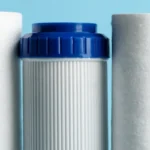
Water Filters: When looking for shower water you need quality water filters to remove all the pollutants. Look for filters that are certified to filter bacteria, viruses, chemicals, and heavy metals.
Bottled Water: It is unaffordable to shower in bottled water in severely contaminated areas but can be useful in case of emergency. This makes the water uncontaminated with toxic elements.
Alternatives and Precautions
If there is only polluted water, ask yourself:
Minimizing Exposure To Contaminants by Cutting Back Shower Time: If you reduce the amount of time you take a shower, then your exposure to contaminations will be reduced.
Don’t Take Hot Showers: Warm water soaks contaminants through skin and helps increase inhalation of aerosolized contaminants. Cooler showers reduce these risks.
Filters for Portable Water: For personal water filtration can be used to eliminate dangers. They can be installed over showerheads for purer water.
Conclusion
We should not shower in tainted water as many contaminants can be toxic to your health. Your health and wellbeing depend on personal hygiene in clean, filtered water. When you are following the directions of health professionals and being a responsible preventive, you can still be healthy even in a place with a poor water quality. If you also purchase water filters and are knowledgeable about water quality in your area, you will make your household even safer and healthier.
Share this on social media:
Facebook
Twitter
LinkedIn