
Content
Herbicides
Herbicides are chemical substances used to control or eliminate unwanted plants, commonly referred to as weeds. They play a crucial role in agriculture, forestry, and landscape management by ensuring that non-desirable vegetation does not interfere with the growth of desirable crops or plants. Herbicides can be selective, targeting specific weeds while sparing crops, or non-selective, killing all plant types they contact. Their application ranges from small-scale gardening to large-scale industrial farming, contributing significantly to modern agricultural practices by enhancing crop yields and reducing labor costs associated with manual weeding.
Definition and Structure
Herbicides are defined as chemical agents specifically designed to inhibit the growth of or destroy unwanted plant species. Structurally, they vary widely, encompassing a range of chemical classes such as phenoxy acids, glyphosates, sulfonylureas, and triazines. Each class has unique mechanisms of action, from disrupting photosynthesis to inhibiting amino acid synthesis. These structural differences determine their mode of application, persistence in the environment, and specificity towards particular plant species. The chemical structure of herbicides is often tailored to maximize effectiveness while minimizing unintended impacts on non-target plants and the environment.
Historical Background
The use of herbicides dates back to the early 20th century, with the discovery of selective weed killers like 2,4-Dichlorophenoxyacetic acid (2,4-D) during World War II. This period marked the beginning of chemical weed control, revolutionizing agriculture by providing a powerful tool against weed infestations. The development of glyphosate in the 1970s further transformed agricultural practices due to its broad-spectrum efficacy and low toxicity to humans and animals. Over the decades, advancements in chemistry and biotechnology have led to the creation of more sophisticated herbicides, improving selectivity, reducing environmental impact, and addressing issues of weed resistance.
Chemical Properties
Herbicides possess diverse chemical properties that influence their effectiveness, environmental persistence, and mode of action. Common properties include solubility in water and organic solvents, volatility, and reactivity with soil components. For instance, glyphosate is highly soluble in water, which aids its absorption by plants, while atrazine, a triazine herbicide, is moderately soluble and persistent in soil, providing extended weed control. The molecular structure determines their mode of degradation, potential to bioaccumulate, and interaction with other chemicals. Understanding these properties is crucial for optimizing their use and minimizing adverse environmental and health effects.
Synthesis and Production
The synthesis and production of herbicides involve complex chemical processes tailored to produce compounds with specific weed-control properties. Typically, production begins with basic chemical reactions to form the core structure, followed by modifications to enhance selectivity and stability. Advanced techniques such as combinatorial chemistry and high-throughput screening are employed to discover new active ingredients. The final product undergoes rigorous testing for efficacy, safety, and environmental impact before regulatory approval. Large-scale production involves fine-tuning chemical reactions to ensure consistency, purity, and cost-effectiveness, supporting widespread agricultural and industrial applications.
Applications
Herbicides are used in various applications, including agriculture, forestry, and urban landscaping. In agriculture, they help manage weed populations, protecting crops from competition for nutrients, water, and sunlight. This results in higher yields and more efficient land use. Forestry applications involve controlling invasive species and promoting the growth of desired trees. Urban uses include maintaining clear roadways, railway tracks, and public spaces. Additionally, herbicides play a role in habitat restoration projects, aiding in the removal of non-native species and allowing native vegetation to reestablish. Their versatility makes them invaluable in diverse environmental management practices.
Agricultural Uses
In agriculture, herbicides are integral to crop management systems, allowing farmers to control weeds efficiently and economically. They are applied pre-planting, pre-emergence, or post-emergence, depending on the target weed species and crop type. Selective herbicides target specific weeds while sparing crops, whereas non-selective herbicides are used for total vegetation control in areas like fallow fields or before planting. The use of herbicide-tolerant genetically modified crops has further streamlined weed management, enabling farmers to apply herbicides without damaging crops. This reduces labor, fuel costs, and soil erosion associated with mechanical weeding.
Non-Agricultural Uses
Beyond agriculture, herbicides are employed in various non-agricultural settings to manage vegetation. In urban environments, they maintain clear zones around infrastructure like roads, railways, and utility lines, reducing maintenance costs and safety hazards. Herbicides are also used in parks, golf courses, and other recreational areas to keep landscapes aesthetically pleasing and free from invasive species. In forestry, they control competing vegetation, supporting the growth of commercially valuable trees. Additionally, herbicides play a role in habitat restoration, aiding in the removal of invasive species and promoting the reestablishment of native plant communities.
Health Effects
Herbicides’ health effects depend on their chemical composition and exposure levels. While many modern herbicides are designed to be minimally toxic to humans, prolonged or high-level exposure can pose health risks. Acute exposure may cause skin and eye irritation, respiratory issues, or gastrointestinal symptoms. Chronic exposure has been linked to more serious conditions, including hormonal disruptions, reproductive issues, and certain cancers. Occupational exposure for agricultural workers is of particular concern, necessitating protective measures. Regulatory agencies establish safety guidelines to minimize these risks, ensuring proper use and handling of herbicides to protect human health.
Human Health Effects
Human health effects of herbicides range from mild to severe, depending on exposure type and duration. Short-term exposure can cause irritation of the skin, eyes, and respiratory tract. Some herbicides, like paraquat, are highly toxic and can lead to severe health outcomes, including lung damage and even death if ingested. Long-term exposure to certain herbicides has been associated with chronic health issues such as endocrine disruption, reproductive toxicity, and carcinogenicity. Populations at higher risk include agricultural workers and individuals living near treated areas. Ensuring proper usage and adherence to safety protocols is crucial to mitigate these risks.
Environmental Impact
Herbicides can significantly impact the environment, affecting soil health, water quality, and biodiversity. Residual herbicides may persist in soil, potentially disrupting microbial communities and soil fertility. Runoff from treated areas can contaminate water bodies, harming aquatic life and reducing water quality. Non-target plant species, including beneficial flora, can also be adversely affected, leading to decreased biodiversity. Some herbicides have been implicated in the decline of pollinator populations, such as bees and butterflies. To mitigate these impacts, integrated pest management practices and environmental regulations are essential, promoting sustainable herbicide use and protecting ecosystems.
Regulation and Guidelines
Herbicide use is regulated by various national and international agencies to ensure safety for humans and the environment. In the United States, the Environmental Protection Agency (EPA) oversees the registration, distribution, and application of herbicides, requiring extensive testing for toxicity and environmental impact. The European Union has similar regulations through its European Chemicals Agency (ECHA). Guidelines often include permissible exposure limits, application methods, and protective measures for handlers. These regulations aim to minimize risks associated with herbicide use, enforce safe practices, and promote the development of safer, more sustainable alternatives.
Controversies and Issues
Herbicides are often at the center of controversies due to their environmental and health implications. Glyphosate, one of the most widely used herbicides, has faced scrutiny over its potential carcinogenicity and environmental persistence. Issues of herbicide resistance, where weeds evolve to withstand chemical treatments, pose significant challenges for sustainable agriculture. Furthermore, the impact of herbicides on biodiversity, including pollinators and aquatic ecosystems, raises ecological concerns. Debates also arise over the regulation and approval processes, with some arguing that they are either too stringent, hindering agricultural productivity, or too lax, compromising safety.
Treatment Methods
Treatment methods for herbicide exposure focus on decontamination and medical intervention. In cases of skin or eye contact, immediate washing with water can reduce absorption and irritation. Ingestion requires prompt medical attention, with treatments including activated charcoal to limit absorption and supportive care to manage symptoms. Advanced treatments may involve specific antidotes, though these are not available for all herbicides. For environmental contamination, bioremediation using microbes that degrade herbicides is a growing field. Phytoremediation, utilizing plants to absorb and break down chemicals, offers another sustainable method to mitigate herbicide pollution.
Monitoring and Testing
Monitoring and testing of herbicides are essential to ensure their safe use and minimize environmental impact. This involves regular analysis of soil, water, and crop samples to detect herbicide residues. Advanced techniques such as gas chromatography and mass spectrometry are employed to measure herbicide concentrations accurately. Regulatory agencies often mandate residue testing to comply with safety standards. Additionally, monitoring programs assess the development of herbicide-resistant weed populations, guiding management practices. Continuous research and technological advancements improve detection methods, ensuring comprehensive monitoring and helping to enforce regulations and guidelines effectively.
References
- “Herbicides.” Environmental Protection Agency, US Environmental Protection Agency.
- “Pesticides.” Environmental Protection Agency, US Environmental Protection Agency.
- “Insecticides.” Environmental Protection Agency, US Environmental Protection Agency.
- “Organochlorines.” Environmental Protection Agency, US Environmental Protection Agency.
Herbicides
| Parameter | Details |
|---|---|
| Source | Agricultural use, lawn care, industrial weed control |
| MCL | Varies by compound (e.g., 0.7 ppb for Atrazine, 2 ppb for 2,4-D) |
| Health Effects | Endocrine disruption, reproductive issues, cancer |
| Detection | GC-MS, HPLC |
| Treatment | Activated carbon, reverse osmosis |
| Regulations | US EPA, WHO |
| Monitoring | Regular testing in agricultural areas and water sources |
| Environmental Impact | Soil and water contamination, harm to non-target plants and animals |
| Prevention | Integrated pest management, use of less toxic alternatives |
| Case Studies | Runoff incidents, impact on aquatic ecosystems |
| Research | Health effects, development of safer herbicides |
Other Chemicals in Water
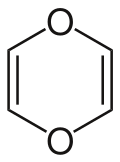
Herbicides In Drinking Water
| Property | Value |
|---|---|
| Chemical Name | Varies by compound (e.g., Atrazine, 2,4-D, Glyphosate) |
| Other Names | Varies |
| CAS Number | Varies by compound |
| Chemical Formula | Varies by compound |
| Molar Mass | Varies by compound |
| Appearance | Varies (liquid, solid) |
| Melting Point | Varies by compound |
| Boiling Point | Varies by compound |
| Solubility in Water | Varies (generally low to moderate) |
Videos