
Overview of Wetlands in the United States
Wetlands are transitional lands where water meets soil, creating habitats that support an exceptional range of plants and animals. Their moisture levels may be permanent or shift with the seasons, yet they always foster rich biodiversity across regions from the Gulf Coast to the Great Lakes. For deeper insight, visit this official resource that explains key roles wetlands play in our environment.
Types of wetlands include:
- Marshes with soft-stemmed vegetation in shallow waters
- Swamps known for woody species like mangroves and cypress
- Bogs featuring acidic soils and specialized mosses
- Fens nourished by groundwater, supporting diverse grasses
These varied landscapes maintain habitats for fish, birds, and other wildlife. Marshes, swamps, and related systems help preserve the delicate balance of water, soil, and plant life. Many local communities depend on these environments for clean water, natural flood control, and opportunities to observe vibrant biodiversity that defines much of the nation’s ecological heritage.
Essential Functions of Wetland Ecosystems
Wetlands play a vital role in managing water flow and preventing erosion. They create habitats for numerous species, essential for breeding and feeding. The vegetation in these areas protects against floods and stabilizes banks against strong currents.
Biodiversity in Marshes and Swamps
Marshes serve as critical nesting sites for herons, egrets, and frogs. Swamps, with their saturated soils, provide shelter for fish and invertebrates. Birds and amphibians find refuge in the reeds and tall grasses. This diversity supports balanced ecosystems.
Natural Water Filtration Processes
Wetland plants are instrumental in filtering water. They trap sediments, absorb excess nutrients, and reduce chemical buildup. This natural filtration protects rivers and lakes from pollutants. By slowing down stormwater runoff, they prevent pollutants from entering waterways. This process also reduces the load on treatment facilities.
| Feature | Contribution |
| Marsh Vegetation | Captures soil, nurtures wildlife habitat |
| Swamp Trees | Stabilize sediments, block excessive flow |
| Root Systems | Absorb contaminants, enhance water clarity |
Introducing Our Case Study: A Coastal Marsh Restoration
An ongoing coastal wetland restoration project along the Gulf Coast showcases the power of nature. By reintroducing native vegetation and restoring natural water flows, it boosts flood protection. This effort aims to revive habitats for fish, birds, and other species harmed by pollution and past development.
Experts from the National Oceanic and Atmospheric Administration (NOAA) highlight the project’s benefits. It leads to reduced wave energy, stronger storm surge barriers, and cleaner water. Marsh grasses and other plants trap sediments, resulting in clearer waterways.
The focus on coastal wetland restoration enhances the region’s resilience against extreme weather. This shift in ecological management reduces erosion, filters out harmful contaminants, and promotes biodiversity. It also provides local communities with natural defense mechanisms, protecting properties and preserving the vibrant coastal landscape.
How Native Vegetation Contributes to Purification
In the United States, wetland projects often rely on local plant species to protect water quality. These plants have adaptable roots that bind sediments, reducing harmful runoff. This process creates conditions that enhance pollutant removal, a key aspect of ecological restoration.
Root Systems and Sediment Control
In Illinois’ Big Bureau Creek Watershed, scientists observed the effectiveness of plant roots. They prevent soil erosion and trap floating particles. This action stabilizes water channels by reducing the flow of contaminants downstream. The ability of these roots to anchor soils is essential for filtration.
Mitigating Pollutants Through Plant Uptake
Native wetlands also play a role in absorbing nutrients like nitrogen and phosphorus. These nutrients are converted into safe compounds within plant tissues. In the Minnesota River basin, studies show that wetlands are more effective than land-only strategies in reducing nitrate levels. This highlights the importance of vegetation in maintaining water health over time.
Partnerships Driving Wetland Conservation
Conservation alliances unite community members and experts to protect wetland ecosystems. Ducks Unlimited collaborates with landowners, government agencies, and private firms. Together, they restore habitats that support native wildlife. This approach combines different perspectives, leading to sustainable management.
These efforts include scientific research, land acquisition, and educational programs. Collaborations also secure funding through grants and sponsorships. Each partner remains committed to preserving water resources while respecting agricultural and recreational needs.
These initiatives underscore the importance of safeguarding wetland ecosystems for future generations. Partnerships empower local groups, highlight economic benefits, and ensure regional biodiversity thrives.
| Partner | Primary Role | Outcome |
| Government Agencies | Regulatory guidance | Water quality standards |
| Ducks Unlimited | Habitat restoration | Improved nesting areas |
| Private Companies | Financial investment | Sustainable resource use |
Key Findings from the Case Study
This restoration effort explored multiple sweeping outcomes in a coastal marsh. Researchers documented successes that enhanced resources for both wildlife and local communities. These included gains in biodiversity and habitat strength.
Native habitats expanded, attracting more waterfowl and fish. The marsh delivered higher food availability and safer nesting areas. These factors increased breeding success, promoting stable populations. Signs of stronger biodiversity emerged, revealing a positive link between wetlands and thriving species.
Teams tracked transparency through regular testing. Vegetation within the wetland slowed water flow and trapped suspended particles. This process elevated clarity and reduced turbidity, generating healthier conditions for people and animals. Steadier filtration reinforced the marsh’s natural water purifier role.
| Observed Changes | Key Indicators |
| Habitat Growth | Increased Nesting Sites |
| Water Transparency | Lower Turbidity Levels |
Challenges to Effective Wetland Preservation
Urban growth fragments forests, altering water flows and introducing pollutants. This makes wetlands less effective at cleaning water. Agricultural activities add harmful substances, leading to eutrophication and disrupting aquatic life.
Industrial waste contributes heavy metals and toxins, worsening water quality. Climate change changes rainfall and temperature, reshaping coastal wetlands. These changes threaten flood control and stormwater management, impacting local communities.
To overcome these challenges, we need to combine land-use policies, green infrastructure, and community support. This collective effort is essential to preserve these critical natural buffers.
| Challenge | Source | Potential Solution |
| Habitat Fragmentation | Urban growth | Zoning limits and restoration |
| Water Quality Degradation | Agricultural and industrial runoff | Best management practices |
| Reduced Stormwater Management | Impervious surfaces | Green infrastructure solutions |
Water Tests and Data Analysis
Scientists monitor water quality shifts by conducting systematic checks on inflows and outflows. This method offers a clear view of how natural spaces contribute to pollutant removal. The assessments include chemical and bacterial tests, which illuminate the overall health of ecosystems.
Research teams work closely with the U.S. Environmental Protection Agency to ensure data quality. They focus on nutrient levels and trace harmful substances, providing insights for local communities.
Sampling Methods
Teams collect samples at fixed points within marsh boundaries and adjacent channels. Each sample is stored in sterile containers and sent to certified labs. Tests include nitrate analysis, pH measurements, and dissolved oxygen checks. This approach showcases wetland resilience and refines pollutant removal strategies over time.
Measuring Bacterial Reductions
Experts track shifts in bacterial populations by comparing results from regular intervals. They examine total coliform counts and the role of native microorganisms in inhibiting pathogens. These findings enhance strategies to protect water quality for recreation and drinking sources.
| Parameter | Method | Frequency |
| Bacteria Count | Lab Culture | Biweekly |
| Nutrient Levels | Chemical Assays | Monthly |
| pH & Oxygen | Field Sensors | Weekly |
Comparing Wetland Purification to Conventional Methods
Mosdern facilitie often employ steel tanks, pumps, and strong chemicals. In contrast, wetlands rely on vegetation, beneficial microbes, and sediment capture. This natural filtration method reduces costs and energy consumption. Once established, restored marshes or swamps require minimal maintenance.
These habitats enhance biodiversity, protect shorelines, and offer recreational areas. Mechanical systems may improve water clarity but lack habitat value. Wetlands offer a cost-effective solution with inherent resilience and additional community benefits. The United States Environmental Protection Agency (EPA) views them as a sustainable complement to engineered solutions.
Many conservation groups, like The Nature Conservancy, see wetlands as an efficient strategy. They combine water treatment with long-term ecological benefits. This contrasts with the frequent maintenance needs of traditional systems.
| Aspect | Wetland Purification | Conventional Methods |
| Key Process | Vegetation and microbes | Filtration devices and chemicals |
| Maintenance | Low after restoration | Frequent upkeep |
| Ecological Benefits | Habitat, erosion control | Limited environmental support |
| Cost | Often lower over time | Equipment and energy expenses |
| Lifespan | Self-sustaining with proper care | Finite hardware cycles |
Role of Policy in Protecting Wetlands
Leaders create essential guidelines to safeguard marshes and swamps. These rules influence development permits, water use standards, and funding for deeper ecological restoration. The aim is to protect natural habitats from threats while promoting responsible stewardship.
Clear strategies often come from agencies like the U.S. Fish and Wildlife Service. Their advice helps communities follow best practices. This balance local interests with a broader commitment to safeguarding water sources and wildlife zones.
Federal Regulations and Best Practices
Legal frameworks, such as the Clean Water Act, play a critical role. These policies act as a safety net for endangered wetlands, preventing uncontrolled urban sprawl. Steps include:
- Reviewing permits before construction breaks ground
- Directing resources toward habitat preservation
- Requiring baseline assessments for restoration funds
Community Involvement
Grassroots groups unite people for ecological restoration through volunteer projects and citizen science. Neighborhood efforts include cleanup days, monitoring water quality, and planting trees in buffer zones. This hands-on support expands awareness, linking policy goals to tangible progress on the ground.
Cutting-Edge Research on water quality in Wetlands
Scientists at the National Oceanic and Atmospheric Administration and the Environmental Protection Agency are leading groundbreaking research. They aim to enhance water quality in marshes and swamps. Their findings indicate that modern wetland designs can adapt to rising sea levels, intense storms, and pollution.
These studies provide critical insights for future coastal wetland restoration efforts. They guide the development of effective strategies to maintain these vital ecosystems.
Researchers are exploring ways to minimize harmful runoff and boost plant resilience. They are testing various approaches, including:
- Living shorelines that adapt to changing tides
- Genetic varieties of vegetation for advanced pollutant removal
- Remote-sensing tools for tracking habitat shifts and water clarity
This research highlights the significance of science-driven innovation. Teams are evaluating outcomes to refine coastal wetland restoration projects. They focus on improving nutrient capture and soil strength.
Initial results are promising. They suggest that wetland ecosystems will provide cleaner waterways and enhanced protection against climate-related hazards. This is a significant step forward for those reliant on these ecosystems.
Applying These Findings Beyond the Case Study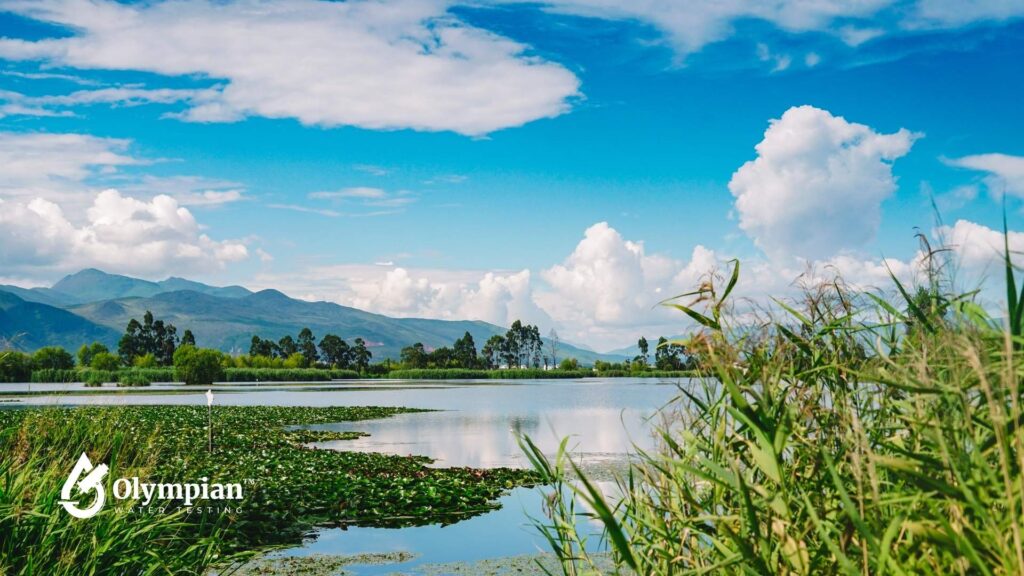
Urban wetlands are essential for flood control, waterway cleaning, and providing green spaces. City planners have creatively integrated smaller wetlands into public parks. This approach enhances runoff routes and reduces pollution. It also alleviates strain on aging infrastructure and supports native wildlife habitats.
Urban Wetlands and Stormwater Management offer a blueprint for other cities seeking natural solutions. Smaller marshes and ponds absorb rainfall and trap sediment, aiding in flood adaptation. The Environmental Protection Agency’s research highlights the benefits of thoughtful design, leading to cleaner streams and healthier habitats for migratory birds and amphibians.
Collaborative Conservation Efforts thrive when agencies, nonprofits, and private firms work together. Collective efforts in land stewardship protect aquatic habitats and preserve regional beauty. Joint planning fosters innovative ideas, promoting balanced growth that supports economic development and ecosystem resilience.
Moving Forward with Wetland Protection
Experts from Ducks Unlimited stress the critical need for wetland conservation. This is essential for maintaining water quality and habitat resilience over the long term. Investing in marshes and swamps is key to protecting streams, aquatic life, and flood control resources. Community groups and policy leaders must come together to secure grants, launch outreach efforts, and strengthen restoration plans.
Research into new planting tactics and monitoring equipment is refining wetland protection methods. This includes testing nature-based solutions to limit runoff and preserve water quality. As warmer trends spread across many regions, the need for resilient habitats that adapt to changing conditions becomes more pressing.
Funding often focuses on structural projects, but wetlands offer a cost-effective solution that benefits both wildlife and human needs. By preserving and expanding these areas, residents can ensure reliable access to clean water for their homes and local economies. Initiatives based on science and shared commitment are the most effective way to achieve thriving ecosystems and healthier communities.
FAQ
How do wetlands improve water quality in the United States?
Wetlands act as "nature’s kidneys" by slowing water flow and catching pollutants. They absorb fertilizers, pesticides, and sediment. This process results in cleaner water for local communities.
What types of wetlands are found across the country?
The U.S. is home to marshes, swamps, bogs, and fens. Each type is defined by water depth, flooding duration, and plant life. They provide habitats that foster biodiversity and ecological balance.
Why are marshes and swamps important for biodiversity?
Marshes and swamps offer specialized habitats for many species. Their high moisture levels and nutrient-rich soils support biodiversity. This leads to greater biodiversity, providing breeding grounds, food sources, and shelter.
How do coastal marsh restoration projects benefit local communities?
Restoring coastal marshes enhances coastal resilience against storm surges. They provide natural flood control and improve water clarity by filtering out pollutants. These projects also support local wildlife habitats and fisheries.
What role does native vegetation play in wetland water purification?
Native plants have deep, adaptive root systems that stabilize soil and control sediment flow. They absorb excess nutrients, reducing the need for extensive man-made treatment solutions.
Are there collaborative efforts driving wetland conservation?
Yes. Government agencies, nonprofits, private companies, and community groups collaborate. They secure funding, advance restoration research, and educate local populations. This cooperation balances various interests.
How do scientists confirm that wetlands effectively remove pollutants?
Researchers use sampling methods to measure changes in nutrient content and contaminants. Continuous data collection shows wetlands’ effectiveness in filtering and improving water quality.
In what ways do wetlands compare to conventional water treatment plants?
Wetlands use natural filtration through vegetation and microorganisms. They require less maintenance and provide additional ecosystem services like wildlife habitat and erosion control.
What policies help protect wetlands from development?
Federal laws, including the Clean Water Act, regulate wetland preservation. State-level rules and best practices supplement these regulations. Community involvement ensures compliance and restoration.
How is cutting-edge research shaping wetland restoration strategies?
Scientists explore genetic variations in plants to increase pollutant uptake. They use remote-sensing technology to monitor wetland health. Innovations help wetlands adapt to climate shifts and continue providing ecosystem services.
Can wetland methods be applied to urban areas?
Absolutely. City planners integrate urban wetlands into stormwater management systems. These ecosystems filter runoff, enhance green spaces, and support local wildlife in densely populated areas.
Why is ongoing wetland protection important for future water quality?
Wetlands are natural water purifiers that limit pollutant loads and support biodiversity. By investing in wetland research, restoration, and conservation policies, communities secure cleaner, more reliable water resources for future generations.