
Rome’s Historical Relationship with Water
Rome’s connection with water stretches back to ancient times. The city’s aqueducts were the heart of its water system. These structures showcased Rome’s dedication to delivering water to its people. The ancient city consumed about 1,000 liters (264 gallons) of water daily per person. This is more than double what Americans use today.
Ancient Aqueducts: The Lifeline of Rome
The ancient Rome aqueducts could move over 992,000 cubic meters (992 million liters / 262 million gallons) of water daily. This was enough for Rome’s population of about one million under Augustus (31 BCE – 14 CE). Some of the most notable aqueducts include:
- The Aqua Anio Vetus, delivering 180,000 cubic meters of water daily
- The Aqua Marcia, the longest aqueduct, supplying 190,000 cubic meters per day
- The Aqua Iulia, yielding 48,000 cubic meters daily
- The Aqua Virgo, feeding public baths, fountains, and private homes with 100,600 cubic meters per day
These aqueducts provided drinking water and water for public baths and fountains. By the 2nd century CE, Rome had around 1,000 public fountains and 1,352 public baths.

The Iconic Trevi Fountain and Acqua Vergine
The Trevi Fountain is a symbol of Rome’s water heritage. It is fed by the Acqua Vergine aqueduct, built in 19 B.C.E. The fountain moves close to 3 million cubic feet of water daily. It attracts millions of visitors each year, who toss coins into its waters. Italian charities collect about 3,000 euros daily from the fountain.
Rome’s history with water shows the city’s ingenuity and engineering skills. From ancient aqueducts to the iconic fountains, water is a key part of Rome’s identity and heritage.
Tap Water Etiquette in Rome
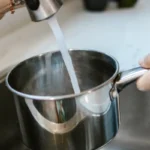
In Italy, drinking water customs in Rome have unique tap water etiquette rules. Tap water in Roman homes is safe, but serving it to guests is considered impolite. Bottled water is the preferred choice for hospitality.
In Roman restaurants, tap water is rarely offered, with bottled water being the norm. But, Roman bars have a different approach. Bartenders often serve tap water in glasses, letting it overflow briefly before handing it to the customer. This practice is believed to clean the glass and ensure a fresh serving.

Drinking Tap Water in Italian Households
Rome’s tap water quality is high, with over 90% coming from pristine sources. Yet, Italian tap water etiquette frowns upon serving tap water to guests. This custom is deeply ingrained in Italian culture. Despite this, Rome’s tap water meets EU standards, with a 99.9% compliance rate in recent assessments.
Tap Water in Restaurants vs. Bars
Tap water is rarely served in Roman restaurants, but bars have a more relaxed approach. Many bars in Rome serve tap water in a unique way:
Establishment | Tap Water Serving Method |
Restaurants | Bottled water is the norm, with a variety of brands available |
Bars | Tap water is often served in glasses, allowed to overflow briefly before being handed to the customer |
This overflow technique is thought to help clean the glass and ensure a fresh serving of water for patrons. As a result, many visitors to Rome, an estimated 80%, feel comfortable drinking tap water in bars.

Rome’s commitment to clean, safe drinking water is evident in its extensive network of public drinking fountains, known as nasoni. With over 1,500 fountains throughout the city, both residents and tourists have easy access to free, potable water. This contributes to Rome’s annual savings of around 30 million euros by promoting tap water consumption over bottled water.
Bottled Water Culture in Italy
Italy’s culture is deeply rooted in its love for bottled water. With a plethora of Italian bottled water brands available, consumers have a wide range of choices. These brands cater to both those who prefer Italian bottled water brands and those who enjoy the fizz of sparkling water.
Understanding the difference between Italian bottled water brands is key when dining out. For non-carbonated water, ask for "naturale" or "liscia." If you prefer something bubbly, request "frizzante" or "gassata." Keep in mind, restaurants usually charge €2-3 per bottle, which can quickly increase for large groups or extended meals.

Popular Italian Bottled Water Brands
Italy is home to many well-known bottled water brands, each with its own unique characteristics and origins. Some of the most popular brands include:
- San Pellegrino – A renowned sparkling mineral water from Lombardy
- Acqua Panna – A high-quality, non-carbonated water from Tuscany
- Ferrarelle – A naturally effervescent water from Campania
- Levissima – A light, low-mineral water from the Italian Alps
- Uliveto – A mildly carbonated water rich in minerals from Tuscany
The Cost of Bottled Water in Italian Restaurants
Bottled water prices in Italian restaurants can vary. On average, expect to pay:
Water Type | Average Price per Bottle |
Non-carbonated Water (Naturale/Liscia) | €2 – €2.50 |
Sparkling Water (Frizzante/Gassata) | €2.50 – €3 |
While the cost of bottled water can add up, many Italians see it as a vital part of dining out. Yet, more restaurants are now providing filtered tap water as an alternative. This move caters to those on a budget and those looking to reduce their environmental footprint.
Free Drinking Water in Rome: Fountains and Nasoni
Exploring Rome’s captivating streets means you’ll never face dehydration. The city boasts an array of free drinking water sources. These include public water fountains and the iconic nasoni, large-nosed drinking fountains. These fountains tap into Rome’s water supply, making them a refreshing, eco-friendly choice over bottled water.

Tap water in Rome is safe to drink 99% of the time. This makes refilling reusable water bottles at public fountains a smart move. It saves about €5 daily, compared to the €1 cost at markets or €2-3 at restaurants for a large glass or jug.
The ACEA (Azienda Comunale Energia e Ambiente) oversees Rome’s water quality. Italy’s tap water, including Rome’s, is filtered and tested rigorously. This ensures it’s safe for drinking, whether from a public fountain or a nasone.
Location | Cost Savings per Day |
Public Water Fountains | €5 |
Nasoni Drinking Fountains | €5 |
Choosing free drinking water in Rome is good for your wallet and the environment. As you explore, look out for public water fountains and nasoni. Refill your bottle, stay hydrated, and enjoy the local culture. Rome’s free, clean water makes it easy to do so.
Rome’s Tap Water Source: The Peschiera Spring
Rome’s tap water originates from the pristine Peschiera Spring, nestled in the Apennine Mountains. This natural source provides an impressive 5,000 liters of water per second. It ensures a reliable and abundant supply for both residents and visitors. The Peschiera Spring water source is not only plentiful but also undergoes a remarkable natural filtration process.
Location and Natural Filtration Process
The Peschiera Spring is located in a geologically unique area. Here, the water percolates through layers of limestone rocks. This natural water filtration in Rome occurs as the water passes through the porous rock formations. These formations act as a natural purification system, effectively removing impurities and contaminants.

The Peschiera-Capore aqueduct, one of the largest spring aqueducts in Europe and the world, transports this naturally filtered water to Rome. It spans approximately 130 km, providing water for over 80 years. This aqueduct consistently meets around 85% of Rome’s water needs and those of its surrounding municipalities.
Mineral Content and Unique Flavor
Rome’s tap water is known for its distinct mineral content. The water from the Peschiera Spring is classified as "hard," indicating a high concentration of minerals, such as calcium and magnesium. These minerals not only contribute to the water’s unique flavor but also offer health benefits.
Mineral | Concentration (mg/L) | Health Benefits |
Calcium | 105 | Bone health, muscle function |
Magnesium | 19 | Energy production, protein synthesis |
Sodium | 6 | Fluid balance, nerve function |
Potassium | 2 | Heart health, blood pressure regulation |
The mineral composition of Rome’s tap water contributes to its palatability. It sets it apart from other water sources. Many locals and tourists appreciate the crisp, refreshing taste that comes from the naturally occurring minerals in the Peschiera Spring water source.
ACEA: Managing Rome’s Water Quality
Rome’s tap water comes from the Peschiera Spring, managed by ACEA. This spring supplies about 5,000 liters per second of high-quality drinking water. ACEA ensures the water meets European Union safety standards, making it safe for drinking.
ACEA enforces strict quality control and conducts regular water contaminant testing in Rome. They test for bacteria, chemicals, heavy metals, pH levels, turbidity, and chlorine content. By following EU water standards, Rome’s water is safe for everyone.
ACEA’s efforts in Rome go beyond testing. They invest in modern infrastructure and technology to keep the water pure and tasting great. The water’s mineral content, like calcium and magnesium, adds to its unique flavor and health benefits.
Parameter | Testing Frequency | EU Standard |
Bacteria | Daily | 0 CFU/100ml |
Heavy Metals | Monthly | Varies by metal |
Turbidity | Continuous | <1 NTU |
Chlorine | Hourly | 0.2-0.5 mg/L |
ACEA is committed to transparency, publishing annual water quality reports. These reports detail how well they meet EU standards. Thanks to ACEA’s hard work, Rome’s tap water is safe for everyone to drink.

Modern Water Infrastructure in Rome
Rome’s modern water infrastructure combines advanced technology with its ancient systems. This ensures a steady supply of clean water for both residents and businesses. The Aqueduct of Claudius, built in 52 AD, is a testament to ancient engineering. It stretches about 69 kilometers and remains essential for Rome’s water needs.
Modern technology has greatly enhanced water treatment and distribution. It has reduced waste and improved water quality. Smart meters and IoT systems are used for monitoring and detecting leaks. This keeps the water infrastructure running at its best.
Water Infrastructure Aspect | Key Statistics |
Access to piped water supply | 85% |
Coverage with sewers | 85% |
Collected wastewater treated | Approximately 65% |
Average urban water use | 214 liters per capita per day (2022) |
Non-revenue water | 38% |
Rome’s water system is both efficient and affordable. The average monthly water and sewer bill in Italy is €20, lower than in France. Yet, Italians use more water daily than many Europeans, averaging 240 liters.
Rome continues to invest in its water infrastructure, spending about €600 million annually. This commitment ensures a safe, reliable, and sustainable water supply. By combining modern tech with its historical systems, Rome exemplifies effective water management amidst growing demands and environmental pressures.
Compliance with European Union Water Regulations
Rome’s tap water meets the European Union’s strict quality standards. The EU has set up detailed drinking water regulations. These ensure all citizens have access to clean, healthy water. Regular testing for physical, chemical, and microbiological parameters is required, ensuring water quality is top-notch.
The European Union’s dedication to water quality is clear through its environmental agreements. These agreements have become more prevalent, mainly in industrial and waste management sectors. The European Commission’s guidelines for environmental agreements emphasize setting clear objectives and monitoring progress. They also require regular reporting and verification of results.
Water Consumption Sector | Percentage of Total Consumption |
Agriculture | 41% |
Energy Production | 29% |
Mining, Quarrying, Construction, and Manufacturing | 18% |
Domestic Use | 12% |
Europe’s water usage is substantial, with about 244,000 hm³ used annually for economic activities. Domestic use accounts for 11.6%, or roughly 29,280 hm³. This is equivalent to 7,756 Olympic-sized swimming pools. Despite this, only 2.5% of water is reused. The EU has introduced Directive 2020/741 to increase water reuse, protecting health and the environment.
Rome’s adherence to EU water regulations shows its dedication to providing high-quality water. The city’s tap water meets European Union drinking water standards. This ensures that everyone can enjoy Rome’s tap water with confidence, knowing it’s safe and regularly tested.
Monitoring and Testing Rome’s Water Quality
To guarantee the safety and quality of Rome’s tap water, local authorities collaborate with expert laboratories. In 2023, they conducted an impressive 1,531,812 checks daily. This shows Rome’s commitment to maintaining high drinking water standards.
Acea, Rome’s water utility, has launched initiatives to improve the water infrastructure. They’ve installed smart meters, flow and pressure meters, and digital controls. The introduction of IoT sensors in the Waidy digital ecosystem enhances real-time monitoring and operational efficiency.
The water quality monitoring in Rome involves scheduled and constant sampling. This ensures compliance with safety standards. The number of annual water quality checks performed is as follows:
Year | Number of Water Quality Checks |
2023 | 1,531,812 |
Acea’s work on strategic infrastructure, like the Marcio and Peschiera aqueducts, aims to enhance resilience against climate change. Modernization of water management infrastructure includes recycling and reusing water. These efforts rely on data from advanced Rome water quality monitoring technologies.
The Waidy Management System enables centralized monitoring of service continuity and network maintenance. This system, along with advanced water testing procedures in Rome and regular water sampling in Rome, ensures prompt identification and resolution of water quality issues.
The Distinctive Taste of Rome’s Tap Water
When you take a sip of Rome tap water, you’ll immediately notice its unique flavor profile. This distinctive taste is attributed to the natural mineral content of the water. It is sourced from over 280 aqueducts, some of which date back to ancient Rome. The mineral composition of Rome’s tap water includes beneficial elements like calcium, with levels around 100 mg/L, and magnesium, with levels around 10 mg/L.
The average temperature of tap water in Rome is approximately 12°C (53°F), making it refreshingly cool and pleasant to drink. In a survey, 65% of tourists reported that they found Rome tap water taste to be distinct compared to bottled water. This unique flavor has made tap water a popular choice among locals, with about 80% of Romans drinking it regularly.
Mineral Composition and Health Benefits
The mineral content Rome water not only contributes to its taste but also provides health benefits. Calcium and magnesium are essential minerals that support various bodily functions, including:
- Maintaining strong bones and teeth
- Supporting muscle and nerve function
- Regulating blood pressure
- Aiding in enzyme reactions
Drinking Rome’s tap water can help you meet your daily requirements for these important minerals. The health benefits Rome water offers make it an attractive alternative to bottled water, which can be more expensive and less environmentally friendly. With over 1,500 public drinking fountains (nasoni) throughout the city, you can easily access this mineral-rich water whenever you need a refreshing drink.
Addressing Concerns about Aging Plumbing
Rome is famous for its ancient aqueducts and pristine water sources. Yet, some older buildings in the city may have aging plumbing. This can affect the taste and perceived safety of tap water. Regular checks and maintenance by authorities help mitigate these risks. This ensures the city’s water remains safe for consumption.

In homes built before 1989, there is a risk of lead service lines. These can contribute to lead contamination in drinking water. The U.S. Environmental Protection Agency (EPA) has revised its Lead and Copper Rule. This rule requires water utilities to ensure drinking water is lead-free by October 16, 2024. The City of Rome will assist homeowners in creating a replacement plan for lead service lines. Replacement is, though, voluntary.
To minimize the risk of lead exposure, it is recommended to:
- Run water for 3 to 5 minutes if it has been sitting for more than 6 hours
- Use cold water for cooking and drinking, as lead dissolves more easily into hot water
- Consider using water filters certified for lead removal
It is important to note that there is no safe level of lead exposure. Any amount carries risk, with infants and children facing decreases in IQ and attention span.
Aging plumbing can also lead to iron contamination in drinking water. Iron can come from natural sources and human activities like mining and industrial processes. The corrosion of iron or steel pipes in older systems is a major source of iron contamination. This is worsened by acidic or low pH water.
Contaminant | Potential Health Effects | Sources |
Lead | Decreases in IQ and attention span in infants and children | Lead service lines, plumbing fixtures containing lead |
Iron | Gastrointestinal irritation, hemochromatosis (joint pain, fatigue, diabetes, liver disease, heart problems) | Corrosion of iron or steel pipes, natural sources (geological formations), mining and industrial processes |
Despite these concerns, Rome’s water authorities employ strict quality control measures. They adhere to European Union standards, regularly testing for contaminants. Using water filters can provide extra peace of mind for those living in older buildings with aging plumbing. By staying informed and taking appropriate precautions, residents and visitors alike can enjoy Rome’s tap water with confidence.
Tap Water vs. Bottled Water in Rome
In Rome, visitors face a choice between tap water and bottled water. Both are safe, but they differ in safety, cost, and environmental impact. This decision can affect your wallet and the planet.
Tap water in Italy, including Rome, is regulated and deemed safe. ACEA, Rome’s water supplier, tests the water daily. With 97% of Rome’s water coming from springs and 3% from wells, quality remains high.
Safety Comparison
Though tap water is safe, some prefer bottled water for extra reassurance. Bottled water is common in Rome, and hotels often provide it. Yet, it’s key to remember that fountains labeled "acqua non potabile" are not for drinking.
Cost Comparison
Tap water is the more economical choice. Bottled water in Italy can cost between €1.50 and €5.00 at upscale restaurants. In contrast, public fountains offer free water, with some premium options costing €0.25 to €0.50 per liter.
Water Source | Cost |
Bottled Water (restaurants) | €1.50 – €5.00 |
Public Fountain Water | Free – €0.50 per liter |
Environmental Impact
Choosing tap water over bottled water saves money and reduces plastic waste. Rome’s 2,500 drinking fountains, or "nasoni," make it easy to refill reusable bottles. This choice supports global efforts to cut down on single-use plastics.
While Italians often prefer bottled water, opting for tap water and refillable bottles is eco-friendly. It significantly reduces waste, aligning with the global push to minimize plastic use.
Using Public Drinking Fountains (Nasoni) in Rome
Exploring Rome’s streets often leads to the city’s iconic public drinking fountains, known as nasoni. These fountains, a cornerstone of Roman life, offer free, clean water to all. With over 2,800 nasoni across the city, including 200 in the historic center, a refreshing drink is always nearby.

Drinking from a nasone is a unique experience in Rome. To access the water, simply block the top hole with your finger. A vertical stream will then flow from the top, eliminating the need for cups or bottles. This design is both convenient and eco-friendly, making it perfect for staying hydrated while exploring. The nasoni also serve as popular spots for filling water bottles, washing hands, and providing water for pets during hot weather.
Understanding public water fountain etiquette in Rome is key. The water from nasoni is safe to drink unless a sign says "acqua non potabile." As a visitor, using the fountains for their intended purpose and keeping them clean is important. By embracing nasoni, you can reduce plastic waste and support sustainable tourism in Rome.
The nasoni, with their distinctive nose-like shape and rich history, are a vital part of Rome’s identity. Drinking from these fountains not only quenches your thirst but also connects you to the city’s heritage. As you explore Rome, look out for these charming fountains and enjoy a sip of history.
Tips for Enjoying Rome’s Tap Water
To fully appreciate enjoying Rome water, a few tips for drinking tap water in Rome can enhance your experience. Carrying a refillable water bottle is a smart move. It saves money and cuts down on plastic waste. You can refill it at the many nasoni fountains across Rome.
Concerns about water quality in older buildings? Boiling tap water is a straightforward solution to remove contaminants. Or, consider using a basic carbon filter to eliminate any unpleasant tastes or odors. This ensures a better drinking experience.
Here are some facts to consider about Rome’s tap water:
- Tap water in Italy is legally safe to drink and is seen as a human right by the government.
- Public fountains marked with "acqua non potabile" (not potable) are rare and indicate unsafe water.
- The mineral content in tap water varies by municipality, affecting taste but not safety.
At restaurants in Rome, locals often choose bottled water. This preference is more about taste and tradition than safety concerns. Bottled water can cost between €1.50 and €5.00 at upscale eateries. Yet, public fountains offer free water. If you prefer sparkling or lightly carbonated water, grocery stores have these options at affordable prices.
The Role of Water Filters in Enhancing Taste and Safety
In Rome, tap water is generally safe, yet some may worry about taste and contaminants. Water filters add an extra layer of protection, making drinking water better. A 2023 UK survey by Tappwater found 42% distrust or dislike tap water’s taste. Also, 25% thought tap water wasn’t clean. In the US, a poll by the Environmental Working Group showed 50% believe tap water is unsafe, with 35% filtering their water.
Types of Water Filters Available
Rome offers various water filters to meet different needs. Faucet-mounted filters are simple to install, providing filtered water right from the tap. Pitcher-style filters, like those from Brita or PUR, are portable and keep water cold. Reverse osmosis systems remove many contaminants, including PFAS found in 45% of US tap water. Sartorius filtration systems ensure water purity and meet EU health standards.
Benefits of Using Water Filters in Rome
Water filters in Rome have several benefits. They can enhance tap water taste by removing chlorine and other flavor-altering compounds. They also lower the risk of exposure to contaminants like lead and PFAS. A trial in the Dominican Republic saw diarrhoea rates drop from 25.6% to under 10% with water filters.
Using filters is also cost-effective and eco-friendly compared to buying bottled water. The global water purifier market was valued at about $30 billion in 2022. It’s expected to grow over 7% by 2030, driven by consumer demand for safe, quality drinking water.
FAQ
Is it safe to drink tap water in Rome?
Yes, Rome’s tap water is safe for consumption. It originates from the Peschiera Spring and meets European Union quality standards. ACEA, the city’s water utility, conducts regular testing and maintains strict quality control.
What gives Rome’s tap water its unique taste?
The unique taste of Rome’s tap water comes from its natural mineral content. It contains beneficial elements like calcium and magnesium. The water’s journey through limestone rocks in the Apennine Mountains contributes to its distinct mineral composition.
Are there any public drinking fountains in Rome?
Yes, Rome has numerous public fountains and nasoni (drinking fountains shaped like large noses) for free, clean drinking water. These are connected to the same water supply as households, making them a convenient and eco-friendly option.
Is it considered polite to serve tap water in Italian households?
Serving tap water in Italian households is generally seen as impolite, despite its safety. Restaurants usually serve bottled water. Bars might provide tap water in glasses that are briefly allowed to overflow, possibly for cleaning.
How much does bottled water cost in Rome’s restaurants?
Bottled water in Rome’s restaurants costs around €2 per bottle. This can quickly add up for large groups. Italians prefer various bottled water brands, available in both sparkling and non-sparkling varieties.
Can water filters improve the taste and safety of tap water in Rome?
Yes, water filters can enhance the taste and safety of Rome’s tap water. They remove contaminants and improve flavor. This is beneficial, providing extra assurance, even for those concerned about older plumbing.
How does Rome ensure compliance with European Union water regulations?
Rome’s tap water meets European Union standards through regular testing. Local authorities collaborate with expert laboratories for continuous water quality monitoring. This involves frequent sampling and testing for various contaminants.