Hidden Dangers of Nitrates in Drinking Water
- Published:
- Updated: January 2, 2025
Listen to this article
Summary
Nitrates, naturally occurring in soil, water, and air, can enter drinking water from sources like agricultural runoff and sewage, posing health risks, especially to infants and young children. High nitrate levels can cause methemoglobinemia, or "blue baby syndrome," and long-term exposure may link to cancer. Testing water and using filtration systems can help mitigate risks, with a safe limit set at 10 mg/L by the EPA. Awareness of sources, like processed foods and fruits/vegetables, and their health impacts is crucial for maintaining safe drinking water. Boiling water does not remove nitrates and can even concentrate them, so alternative methods are necessary for mitigation.

Nitrates are a naturally occurring chemical in soil, water and air, and even though there are limits to the nitrates in your drinking water, high levels of nitrates can be harmful to humans (especially infants and young children).
Understanding Nitrates in Drinking Water
Nitrates are chemicals that come from nitrogen and oxygen. They’re important components of the nitrogen cycle, and are found in soil, water and air. Nitrates are commonly applied as fertiliser in the farm field and are also found in animal manure, sewerage and septic tanks.
Not all nitrates in drinking water are bad. Even tiny concentrations of nitrates in water are OK. Ingestion of drinking water with excessive nitrates can be toxic to humans, especially to infants and children. This is why it is important to know the risk of nitrates in water and what you can do to get rid of them in your water.
How Nitrates Enter Drinking Water

Nitrates may reach bottled water through the groundwater or surface waters. Nitrates can especially be a problem for groundwater, since nitrates are readily leached from fields or septic tanks. It can also be lake and river surface water that is nitrated by agricultural run-off or wastewater discharge into the lake or river.
You can also add nitrates to drinking water at the distribution system. This can happen when agricultural runoff or wastewater nitrates are not sanitized before they make it to the distribution system. Nitrates, once introduced into the distribution system, can also leach into the drinking water.
Health Risks of Nitrates in Drinking Water
There can be some health effects of nitrates in water, depending on the concentration of nitrates and the time of year. Nitrates in the water at low concentrations are okay but can be dangerous at high concentrations.
If you have been exposed for a few hours to high levels of nitrates in your drinking water, you might experience headaches, dizziness, nausea and vomiting. On the extreme end, it can cause methemoglobinemia or "blue baby syndrome," where blue blood turns the skin blue, shortness of breath, and death. This happens when nitrates in water degrade the iron in red blood cells into an iron form that can’t carry oxygen and leaves the body oxygenless.
Long-term drinking water exposure to nitrates low enough has been associated with increased risk of bladder, kidney and ovarian cancer. We still don’t know why this association happens, but nitrates in water can disrupt the body’s ability to absorb and use oxygen, creating cancer cells. Note: There is still much research to be done to establish the health impact of nitrates in water, but it is always better to take things at their word and limit nitrates in your water as much as possible.
Impact on Infants and Young Children
Children are at risk of nitrates in drinking water especially infants and young children. They do not have an organ system yet, which is why their bodies are less robust against nitrates.
Methemoglobinemia is the main risk to babies and young children of nitrates in tap water. This can happen when they eat formula that’s in water that’s very nitrate-rich. Like I said, the nitrates in the drinking water change the iron in the red blood cells into an oxygen-inaccessible type, causing shortness of breath and blue skin. It can be fatal if not treated quickly so it’s very important for parents and carers to know that nitrates in water pose a threat and to work to limit the nitrates in their water.
Testing for Nitrates in Drinking Water
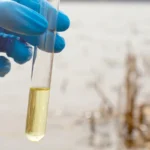
If you’re worried about nitrates in your water, get your water tested by a professional lab. Water testing is provided by most local health departments or you can get a water test kit from a home improvement store.
If you want to check your drinking water for nitrates, you should also sample from the faucet where you drink and cook from. This is because your water nitrate levels can change depending on where it’s coming from and what time of day it’s being. The water test result will tell you how much nitrate is in your water and if it’s safe to drink.
Safe Limit for Nitrates in Drinking Water
There is a safe level of nitrates in water that is 10 mg/L. This limit is established by the Environmental Protection Agency (EPA) and it depends on the potential health dangers of nitrates in drinking water. If you have water testing and the nitrate content of your drinking water exceeds 10 mg/L, then it is important to do something about your drinking water nitrates.
Reducing Nitrate Levels in Drinking Water
The actions that can be undertaken to lower nitrates in the drinking water are several. If you are looking to decrease nitrate in water, installing a nitrate treatment system like a reverse osmosis or ion exchange device is the best solution. These filters can get rid of nitrates from your drinking water, which you can drink.
Another way to reduce nitrates in water is to buy a different water source (bottled water, or a water delivery service). This is particularly pertinent to those families who have children and babies who are vulnerable to the nitrates present in water.
Common Sources of Nitrates in Drinking Water
These two sources are the primary culprits of nitrates in drinking water: agricultural run-off and sewage. Nitrates from such sources get into drinking water from the groundwater or the surface water supply or from the distribution system. Know where your water is getting its nitrates from and do your best to reduce nitrates in your water if you have children or young children in the house.
Nitrates in Processed Foods
You also find nitrates in processed foods like cured meats, bacon and hot dogs. They are also usually loaded with nitrates and nitrites, which are used as preservatives and flavorants. Nitrates and nitrites found in processed foods are also associated with cancer of the colon, stomach, and pancreas.
Keep track of how much processed foods you and your family eat, if you’re worried about nitrates in your water supply. When you avoid processed foods containing nitrates and nitrites, your exposure to these chemicals will be lower, as will your chance of developing some cancers.
Nitrates in Fruits and Vegetables
Nitrates in drinking water and processed foods can be harmful, but nitrates in fruits and vegetables are not, and might be, healthy for you. Fruits and vegetables are loaded with naturally occurring nitrates that get converted into nitric oxide in the body. Nitric oxide is a substance that regulates the flow of blood and the level of blood pressure, and has been associated with athletic performance and cardiovascular health.
You must have plenty of fruits and vegetables in your diet because these are great sources of vitamins, minerals and antioxidants. If you eat plenty of fruits and vegetables, your chance of developing chronic conditions like heart disease, stroke, and some cancers will decrease.
The Importance of Clean Drinking Water
Make sure you are informed of the nitrate dangers of your drinking water and try to decrease nitrates in your water. You might do this by setting up a nitrate filter, installing a new water source, or eating fewer nitrates and nitrite-laden processed foods.
Having clean drinking water is a human right and a matter of life and death. As long as you’re taking the time to cut down on nitrates in your water, you and your family will have clean drinking water. You’ll keep your health safe, and decrease your chance of developing certain types of cancer and chronic illnesses.
The Effectiveness of Boiling in Removing Nitrates from Drinking Water
It does not de-nitrate drinking water by boiling water. Well boiling water actually increases the concentration of nitrates in the water, which makes it even worse. If you’re worried about your drinking water having nitrates in it, you should get a nitrate detonator or substitute a different water source to help eliminate nitrates from your drinking water.
Nitrates in drinking water can be dangerous for humans, especially for newborns and children. Know the risk of nitrates in your water, how nitrates come from, and what can be done to get nitrates out of your water. And if you do something about the nitrates in your water, you can protect your family from nitrates in water hazards.
Mitigation Strategies for Nitrate Contamination in Water
When it comes to nitrate contamination of water, there are many solutions other than one-time household treatments that need to be put in place. Nitrate runoff can be dramatically mitigated with agriculture best practices like controlled-release fertilisers and cover crops. It is also imperative to improve wastewater treatment plants to better contain and eliminate nitrogen compounds before they end up in waterways. There should also be more aggressive policies on industrial discharge, and sustainable agriculture practices that prevent nitrate pollution at the source.
Conclusion: Hidden Dangers of Nitrates in Drinking Water
To sum up, the health hazards of nitrates in drinking water are grave, especially for infants and young children. These risks must be mitigated by knowing where nitrates come from and what their health effects are. Boiling is useless, but nitrate-treatment systems and prevention in farming and wastewater treatment can make for better water. Rather, by acting early and making themselves well-informed, people and communities can save their health from nitrates’ unobvious ravages.
Share this on social media:
Facebook
Twitter
LinkedIn

Related Posts