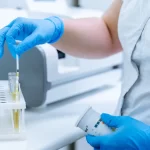
Water Quality Initiatives in Brooklyn Schools
- Published:
- Updated: November 28, 2024
Listen to this article
Summary
Brooklyn schools are actively enhancing water quality to ensure students have access to clean, safe drinking water, recognizing its importance for health and cognitive function. Initiatives include rigorous testing, advanced filtration technology, and educational programs to foster good hydration habits and awareness among students.
- Water Quality Monitoring: Regular testing protocols to monitor and improve water quality, addressing concerns like lead contamination.
- Technological Advances: Implementation of advanced filtration and automated flushing systems to ensure safer drinking water.
- Community Engagement: Encouraging student and community involvement in water quality initiatives through education and participation in conservation efforts.

Clean, safe drinking water is a right. This is especially true for students as drinking water directly affects their health, wellbeing, and brain. Rehydrated brains tend to be better at paying attention, feel less groggy, and maintain good body function — all of which make learning more effective.
Furthermore, schools are the best environment for teaching good hydration habits. In bringing clean drinking water to the school children can be taught about the importance of drinking enough water throughout the day and teach them good health habits that can last a lifetime.
Current State of Water Quality in Brooklyn Schools
Brooklyn school water is one issue that has drawn a lot of attention. Although the drinking water has met federal standards, complaints about lead contamination have surfaced and efforts have been made to provide the cleanest possible drinking water for students.
In New York City, including in Brooklyn, the Department of Education has strict school water testing services rules. These tests have generally been positive that school water is safe, but we all know that keeping water clean and safe is a process, and must always be monitored and improved upon.
What are the health implications of poor water quality for students?

The effects of bad water on student health can be profound. By exposing us to toxins such as lead, you can end up with a host of health issues, from neurological damage to stunted growth. This kind of health problem is not just detrimental to students’ short-term health but can also hamper their performance in school and their long-term prospects.
This connection between health and learning exemplifies why school water is so important. When we spend on water quality, we invest in our students’ wellbeing and, eventually, their learning. That’s the reason there’s been so much pressure to improve water quality in Brooklyn schools.
Assessing Water Quality in Schools
The school water quality monitoring is a systematic exercise of regular sampling and monitoring. New York City water testing is done in accordance with the Environmental Protection Agency. This includes screening for lead (that’s present in tap water due to plumbing).
It’s mostly the city’s Department of Education (in conjunction with the Department of Health) that’s in charge of testing and monitoring water. But water quality is an obligation of all: school administrators, and students and parents alike. All students in the school community can play a part in keeping water clean by remaining educated and alert.
Role of Technology in Enhancing Water Quality
Water quality in schools is made possible by technology. Advanced filters, for example, can remove pollutants that would otherwise get by traditional filtration.
These are activated carbon-ion exchange filtration systems that remove lead, pesticides and bacteria. Moreover, automated flushing machines are being used in more and more schools to maintain fresh water and stop the water from evaporating into pipes which is prone to bacteria growth and accumulating pollutants.
Community and Student Involvement in Water Quality Initiatives
Participation from the public and students is an important aspect of water quality projects. From getting updates on water quality reports to volunteering in water conservation, there are many avenues that the school community can get involved in.
Schools can even add water quality education to their curriculum, teaching kids about the value of clean water, the effects of water pollution, and how they can help. Young people might even get hands-on experience in school water-testing campaigns or water-quality science projects.
There are parents, too. Then, by learning more about the water quality at the school and what’s being done, they can help to facilitate that and also remind them to drink clean water at home. We all have something to contribute to the success of water quality efforts at the school level, after all.
Looking Ahead: Future Plans for Water Quality in Brooklyn Schools
Those who are looking further forward also see plans to continue improving the water quality in Brooklyn schools. These are the continual infrastructure improvements like replacing outdated plumbing and installing advanced water filtration. Brooklyn schools will still be tested for water quality on a regular basis, so that any problems are identified and fixed quickly.
But there is also an increase in the transparency and outreach on water quality. This means making water quality information available to parents, employees, and students and communicating to the school community about what is being done to protect drinking water.
We also have education projects in the works to teach students water quality and conservation. By getting students involved in water projects, the hope is that they will be empowered to become water advocates – not just in school, but in their communities.
Share this on social media:
Facebook
Twitter
LinkedIn
Next Article:

Related Posts