Farming for Freshness: The Vital Importance of Water Quality in Agriculture
- Published:
- Updated: January 6, 2025
Listen to this article
Summary
Water quality is crucial in agriculture for crop health and food safety, impacting yield and soil fertility.
- Clean irrigation water is vital for providing plants with necessary moisture and nutrients.
- Monitoring water quality helps identify contaminants and prevent crop damage.
- Water treatment methods like filtration and disinfection are essential for ensuring safe irrigation water.

It is the foundation of the global food supply, which gives all the people on Earth the means to eat. But to plant crops, more than good soil and a healthy climate are required: water has to be pure and plentiful. What is in the water we use to irrigate might determine how crops grow and thrive, as well as how much food it produces.
Importance of Clean Water for Irrigation and Soil Health
It is water that feeds the plant, it is the moisture and the nutrients that allow the plant to grow and bear fruit. And most of the world needs to be irrigated so that food crops have enough water to survive and thrive. But the irrigation water must be pure and free of contaminates so that it is safe for the crops and environment.
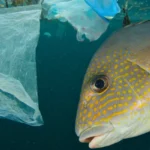
Irrigation water can be contaminated by agricultural or industrial run-off, or naturally occurring salts and minerals. These chemicals can accumulate in the soil and make it less fertile, and crops are not able to use up enough water and nutrients. Furthermore, water pollution causes plant diseases and pests to circulate that can damage the crops further and decrease their productivity.
In order to make sure that their plants get clean and safe water, they have to take good care of their irrigation water. These can include testing water for contaminants and doing what is necessary to clean out or eliminate any harmful substances. Occasionally, that may be by filtration or by cleaning the water with chemicals such as chlorine to disinfect it. Other times, the farmer might have to adapt to drip irrigation instead of watering fields and save water and reduce contaminate.
The Role of Water Quality Testing and Monitoring in Ensuring Healthy Crops

Water quality testing and monitoring are essential parts of keeping crops in the clean and safe water that they need to thrive. Farmers can detect the presence of pollutants and clean or neutralise them by testing irrigation water regularly. Moreover, monitoring the water quality in the long term could help farmers to spot if the water source has changed and act accordingly to stop it from becoming worse.
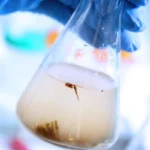
We have many kinds of water quality test for farmers to check the water quality of their irrigation water. These tests can include pH, TDS, electrical conductivity (EC) and detection of certain pollutants such as pesticides, nitrates, heavy metals, etc. Agriculturists might also test for toxins and bacteria in the water, like E. coli and Salmonella.
Farmers can check water quality at a regular interval to make sure that crops are receiving safe, pure water that they need to plant and harvest food. Moreover, water quality testing can help farmers to spot problems in the first place so that they can act to avoid contaminating the future and save their crops.
What are the Best Practices for Water Treatment in Agriculture?
Different water treatment procedures that farmers can apply to their farm will give the crop the safe and clean water it requires. These procedures can be filtration, disinfection and water treatment.
This is another common treatment to remove contaminants from the irrigation water. This can be filtering the water to get out particles and contaminants, or using reverse osmosis to get rid of suspended solids. A third step farmers can do is to filter the water with activated carbon that gets rid of chemicals and heavy metals.
It also includes the disinfection part of agro-water treatment. That can involve chemicals such as chlorine or ultraviolet light that kill bacteria and other germs in the water. Further, the farmers could use ozone or hydrogen peroxide to disinfect the water and remove any toxins that were present.
Water is a crucial part of water treatment in agriculture as well. This could be as simple as irrigation using a smart technology like drip irrigation to conserve water and minimize contamination. Besides this, water conservation methods by farmers can also be applied to them — including rainwater harvesting and the production of drought-tolerant crops — so that they do not rely as much on irrigation water, and they always have access to clean, sustainable water.
Impact of Water Pollution and Contamination on Agriculture
Water pollution and contamination can have significant impacts on agriculture, including:
- Reduced crop yields: Contaminated water can harm crops, reducing their growth and yields. For example, exposure to heavy metals, such as lead and cadmium, can cause stunted growth and reduced yields.
- Soil and plant health: Contaminated water can also harm soil health, reducing its ability to support crops. For example, exposure to high levels of salts can cause soil to become less fertile, making it harder for crops to grow.
- Pesticide and herbicide pollution: Pesticides and herbicides can leach into water sources, contaminating them and harming crops. This can also harm beneficial insects, such as pollinators, reducing their populations and further impacting agriculture.
- Spread of diseases: Contaminated water can also spread diseases to crops, such as plant pathogens and waterborne illnesses in humans and animals.
- Economic impacts: The impacts of water pollution and contamination on agriculture can result in significant economic losses for farmers and the agricultural industry as a whole. For example, reduced crop yields and the need to use more expensive, specialized inputs, such as treated water, can increase the cost of production.
- Food safety: Contaminated water used in agriculture can result in the production of unsafe and contaminated food, posing a threat to human health.
These impacts highlight the importance of water treatment and management in agriculture, as well as the need for ongoing efforts to reduce water pollution and contamination.
What is the Role of Water Conservation in Sustainable Agriculture?
A major component of sustainable farming is water conservation. Farmers can conserve this precious resource by conserving less water to be used for irrigation and make sure it is not lost to the future. Water conservation can also prevent water pollution and contamination, as well as make the irrigation system more efficient.
There are many water conservation measures that a farmer can adopt to save water. They could include drought-tolerant crops, water-efficient irrigation systems and rainwater harvesting to harvest and store rainwater for irrigation. Farmers can also cut back on water, which they do via frequent irrigation or mulching to keep moisture in the soil.
The Impact of Climate Change on Water Quality and Availability in Agriculture
The impact of climate change on agriculture water quality and supply is tremendous. As the weather warms and precipitation patterns shift, there might be less and less water to water crops. Moreover, more frequent severe weather events – from droughts to floods – can also negatively impact water quality and crop production.
If we want to take up the challenge of climate change’s effects on water quality and availability in agriculture, farmers have to prepare for the future and make sure their crops have the water they need to grow and produce food of a high quality. This could be by irrigation practices like drip irrigation, and water conservation measures to cut back on water consumption. Agricultors might also have to shift their crops with them, adopting drought-tolerant crops and changing the practices of farming so as to prevent water pollution and contamination.
Future of Water Management in Agriculture
Aquaculture has an optimistic future with new technologies and products helping farmers to provide clean and safe water for their crops so that they can grow and produce nutritious food. New technologies for filtration and disinfection, conservation, irrigation and more — the agriculture of water is bright.
Among the best water innovation opportunities is smart technologies, like precision irrigation systems with sensors and algorithms that detect soil moisture and regulate irrigation accordingly. This saves water as well as avoiding over-irrigation and water wastage.
Also emerging are new water-treatment techniques such as nanofiltration and disinfection to enhance the quality of irrigation water and inoculate crops against contaminants.
A third big innovation in water management is sustainable water, including recycled water and greywater irrigation. With these new sources of water, farmers are not so dependent on a single source of water and can provide clean, sustainable water to their crops.
Share this on social media:
Facebook
Twitter
LinkedIn

Related Posts