The Dangers of Contaminated Water for Oral Hygiene
Brushing your teeth with contaminated water can pose significant risks to your dental health and overall well-being. Contaminants like E. coli, lead, and arsenic lurking in the water supply can lead to a host of health issues if ingested while practicing oral hygiene.
According to the Centers for Disease Control and Prevention (CDC), millions of germs can be present in even a microscopic amount of fecal matter, highlighting the risk of contamination in emergency situations. Drinking water contaminated with fecal coliform or E. coli bacteria can lead to serious health problems.
Health Risks Associated with Brushing Teeth in Contaminated Water
Using contaminated water for toothbrushing techniques can expose your oral tissues to harmful pathogens, increasing the risk of infections and systemic health issues. Some of the dental health risks associated with brushing teeth in contaminated water include:
- Gastrointestinal problems from ingesting E. coli bacteria
- Neurological damage and kidney issues from lead exposure
- Dental and skeletal fluorosis from excessive fluoride intake
- Endocrine disruption and increased cancer risk from pesticides and toxins
Common Contaminants Found in Water and Their Effects on Oral Health
Various contaminants can be present in water, each with its own set of risks to oral health. The following table outlines some common contaminants and their effects:
| Contaminant | Potential Effects on Oral Health |
|---|---|
| E. coli | Gastrointestinal issues, infections |
| Lead | Neurological damage, kidney issues |
| Arsenic | Increased cancer risk, skin lesions |
| Fluoride (excessive) | Dental and skeletal fluorosis |
| Pesticides and toxins | Endocrine disruption, increased cancer risk |
To ensure safe oral hygiene practices, it is essential to use water that meets safe drinking water standards. The CDC recommends boiling water for one minute to ensure it is safe for consumption, including brushing teeth. In emergency situations, proper disinfection methods, such as using unscented household liquid chlorine bleach, can help make water safer for use.
Lead Contamination in Tap Water
Lead contamination in tap water is a major concern in the United States. This toxic metal can enter our drinking water from lead pipes, faucets, and fixtures. It poses significant health risks, mainly to young children and pregnant women. Understanding how lead enters our water and the impact of corroded lead plumbing is key to protecting public health.

How Lead Gets into Our Tap Water
Lead in drinking water comes mainly from lead service lines and lead-containing plumbing fixtures in homes built before 1986. When these corrode, lead can dissolve or flake into the water, contaminating it. Factors that contribute to corrosion include:
- Water acidity
- Dissolved materials in the water
- Water temperature
- Age and wear of plumbing fixtures
Infants who consume formula made with lead-contaminated tap water face a higher risk of exposure. This is due to their relative water intake. The risk of lead exposure also increases during and up to six months after lead service line replacement.
Corrosion of Lead Plumbing and Its Impact on Water Quality
The corrosion of lead plumbing significantly deteriorates water quality. As lead pipes and fixtures corrode, toxic lead particles can leach into the water supply. This process is worsened when water sits in pipes for more than 6 hours, allowing for greater lead dissolution.
Boiling water does not remove lead and may increase its concentration due to evaporation. The Environmental Protection Agency (EPA) has set the maximum contaminant level goal for lead in drinking water at zero. This is because no safe blood lead level has been identified for young children.
| Filtration System | Certification | Contaminants Reduced |
|---|---|---|
| PUR PLUS 30 Cup Dispenser | WQA certified | Lead, chlorine, copper, zinc |
| PUR filtration system | NSF certified | Microplastics, lead, chlorine, copper, zinc |
| Brita® and ZeroWater® (as of March 1, 2023) | Not certified to filter microbes | – |
To reduce lead exposure from drinking water, using a "point-of-use" filter certified for lead removal is recommended. These filters must meet NSF/ANSI standard 53. Opting for bottled water from a reliable source is also advisable. Regular blood lead tests for children are recommended, as most exposed individuals show no symptoms.
Is Brushing Teeth with Unfiltered Water Safe?
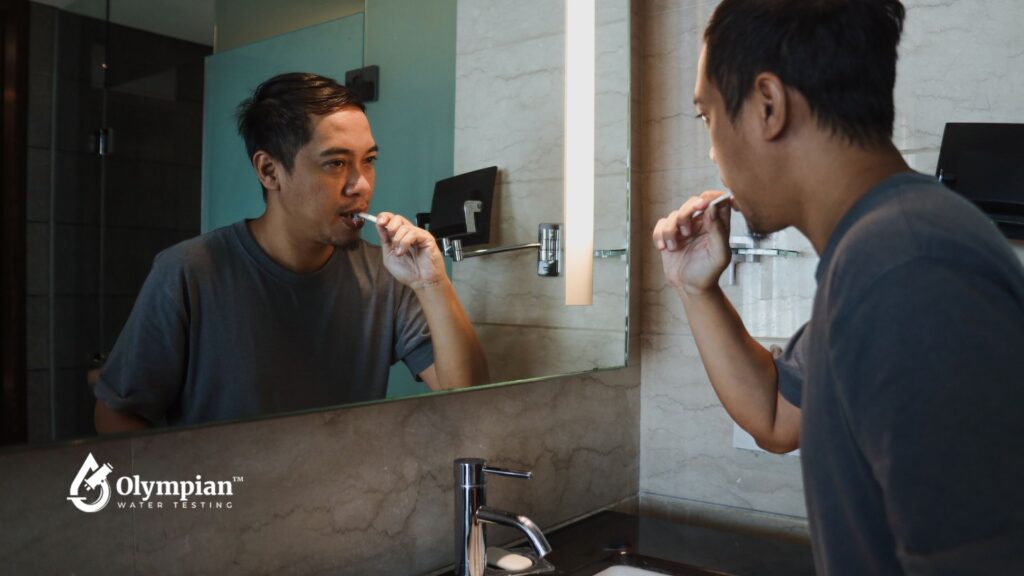
Brushing teeth with unfiltered water may seem harmless, but it can pose significant health risks. Invisible contaminants in water can harm oral health over time. The World Health Organization (WHO) reports that over 2 billion people worldwide use contaminated water sources. This leads to serious health risks like cholera and dysentery.
Oral tissues are highly susceptible to absorbing harmful microorganisms. This increases the risk of infections and severe diseases. The Centers for Disease Control and Prevention (CDC) stresses that contaminated water should never be used for brushing teeth. Health authorities recommend using bottled or filtered water for oral hygiene to avoid pathogens and contaminants.
The Environmental Protection Agency (EPA) requires public water suppliers to inform customers of any violation of health standards within 24 hours if it poses a major health risk. Yet, approximately 1 out of every 7 Americans relies on a private well as their primary source of drinking water. This may not undergo regular testing for contaminants.
| Contaminant | Health Risk | Recommendation |
|---|---|---|
| E. coli | Gastrointestinal issues | Use filtered or bottled water |
| Lead | Neurological damage, kidney issues | Test water, use filtration systems |
| Fluoride (high levels) | Dental fluorosis, skeletal fluorosis | Avoid high-fluoride water |
| Pesticides and toxins | Endocrine disruption, cancer risk | Use certified water filters |
Investing in a reliable water filtration system or using bottled water for brushing teeth can significantly reduce the risk of exposure to harmful contaminants. The American Dental Association (ADA) emphasizes the importance of safe water in daily oral hygiene. This is critical for vulnerable populations such as children and pregnant women.
To ensure the safety of your drinking water quality and protect your oral health, it is essential to regularly test your water source. Take appropriate measures to remove contaminants. By prioritizing the use of filtered or bottled water for brushing teeth, you can minimize the risks associated with unfiltered water. This helps maintain optimal oral hygiene.
The Role of Inadequate or Inappropriate Municipal Water Treatment
Municipal water treatment is vital for communities to have access to safe drinking water. The Environmental Protection Agency (EPA) requires water utilities to monitor water quality and treat source water. Despite these rules, many cities in the United States fail to treat their water properly. This can expose residents to harmful contaminants.
The Importance of Proper Water Treatment for Safe Drinking Water
Proper water treatment is key to removing contaminants and ensuring safe drinking water. The EPA sets strict guidelines for water quality, including Maximum Contaminant Levels (MCL) and Maximum Contaminant Level Goals (MCLG). Water utilities must follow these standards and report their findings annually. Failure to do so can pose serious health risks to consumers.
| EPA Guideline | Description | Value |
|---|---|---|
| MCL for Fluoride | Primary drinking water regulation | 4.0 mg/L |
| SMCL for Fluoride | Secondary maximum contaminant level | 2.0 mg/L |
| Optimal Fluoride Concentration | US Public Health Service recommendation | 0.7 mg/L |
Examples of Cities Failing to Properly Treat Their Water
In 2001, Washington, D.C. changed its disinfectant without proper study. This led to a significant increase in water corrosiveness. As a result, the city’s drinking water had extremely high lead levels. The lack of proper corrosion control and inadequate treatment exposed residents to dangerous lead contamination.
Other cities, like Flint, Michigan, have also faced water crises. A change in water source and insufficient treatment led to high levels of lead and other contaminants. These cases underscore the critical need for proper municipal water treatment and the dangers of inadequate methods.
The Use of Anti-Corrosion Chemicals in Water Treatment
Water treatment facilities use anti-corrosion chemicals to reduce lead and harmful metals in drinking water. Zinc orthophosphate is a common inhibitor that forms a protective layer on lead pipes. This layer minimizes lead leaching, improving water quality and safety.
The EPA has set a Maximum Contaminant Level Goal (MCLG) of 0 mg/L for lead in drinking water. Lead exposure can lead to severe health issues, including kidney problems and developmental delays in children. By using corrosion inhibitors like zinc orthophosphate, facilities can significantly lower the risk of lead contamination.
It’s important to note that not everyone is equally affected by contaminants in drinking water. Infants, young children, and those with weakened immune systems are more susceptible. Water treatment facilities must follow strict regulations and monitor contaminant levels closely. This ensures the water supply is safe for all consumers.
| Contaminant | MCLG (mg/L) | Potential Health Effects |
|---|---|---|
| Lead | 0 | Kidney problems, developmental delays in children |
| Arsenic | 0 | Skin, bladder, and lung cancers |
| Total Coliforms (including E. coli) | 0 | Gastrointestinal illness |
| Chlorine | 4 (maximum level allowed) | Irritation in the mouth, esophagus, or stomach |
| Nitrates | 10 | Blue-baby syndrome in newborns |
| Benzene (organic contaminant) | 0 | Increased cancer risk |
| Copper | 1.3 | Liver damage, gastrointestinal issues |
Community water systems serving 1,000 or more connections must prepare Annual Water Quality Reports. These reports detail detected contaminants, MCLs, and any violations. They also include water use, source restrictions, and conservation measures. This transparency helps educate consumers about their drinking water quality and the efforts to ensure its safety.
The Prevalence of Water Contamination Worldwide
Water contamination is a pressing issue globally, impacting millions, mainly in developing countries. A recent WHO report states that over 2 billion people lack access to safe drinking water. This puts them at risk for various waterborne diseases. The report emphasizes the need for better water infrastructure and treatment to ensure clean, safe water for all.
In low and middle-income countries, the issue is more severe. Two-thirds of those without safe drinking water live here. South Asia alone faces a staggering 1.2 billion people, over half its population, without access to safe water. Sub-Saharan Africa, with over 1.1 billion people, also struggles with more than 80% unable to access safe water.
The WHO report also shows that 75% of populations in Oceania (excluding Australia and New Zealand) and Southeast Asia face unsafe drinking water. Half of these populations may be exposed to contaminated water, risking health problems.
| Region | Population Affected | Percentage Affected |
|---|---|---|
| South Asia | 1.2 billion | More than 50% |
| Sub-Saharan Africa | Over 880 million | More than 80% |
| Oceania (excluding Australia and New Zealand) | – | Approximately 75% |
| Southeast Asia | – | Approximately 75% |
Lack of access to safe drinking water is a significant public health issue. It can lead to the spread of diseases like cholera, typhoid, and dysentery. These diseases are devastating in developing countries, where healthcare is often inadequate and medical treatment is scarce.
The WHO report urges increased investment in water infrastructure and treatment, focusing on low and middle-income countries. This includes constructing new water treatment plants, upgrading existing ones, and expanding access to safe drinking water in rural and underserved areas.
In conclusion, the WHO report on global water access emphasizes the urgent need for action against water contamination worldwide. By investing in water infrastructure and treatment, we can ensure safe drinking water for all. This will help reduce the burden of waterborne diseases in developing countries.
Health Authorities’ Recommendations for Safe Oral Hygiene
Keeping your oral hygiene safe is key to avoiding dental problems and safeguarding your health. The World Health Organization (WHO) and the Centers for Disease Control and Prevention (CDC) offer essential advice. They focus on the importance of using safe water for brushing teeth.
World Health Organization (WHO) Guidelines on Safe Water for Personal Hygiene
The WHO stresses the need for safe water that meets drinking standards for personal hygiene. This includes brushing teeth. It prevents harmful pathogens from entering the body through the mouth. Here are their recommendations:
- Use water with an optimal fluoride level of 0.7 milligrams per liter to prevent cavities
- Ensure water is free from harmful contaminants
- Regularly monitor and maintain water quality
Centers for Disease Control and Prevention (CDC) Advice on Using Filtered or Bottled Water for Brushing Teeth
The CDC suggests using filtered or bottled water for brushing teeth in areas with uncertain water quality. This helps avoid harmful contaminants. They offer these guidelines:
- Use fluoride toothpaste to prevent cavities, which is essential for children
- Boil or treat water before use if water quality is uncertain
- Consult with a doctor or dentist before using fluoride toothpaste for children younger than 2
The table below compares the cavity prevention of community water fluoridation and fluoride toothpaste:
| Method | Cavity Prevention Effectiveness |
|---|---|
| Community Water Fluoridation | Reduces cavities by approximately 25% |
| Fluoride Toothpaste (for children and adolescents) | Prevents caries incidence by 16% to 31% per tooth compared to placebo or no dentifrice |
By adhering to health authorities’ guidelines and using safe water for oral hygiene, you can maintain good dental health. This also helps prevent risks linked to contaminated water.
The Importance of Testing Water for Contaminants
Ensuring the safety of the water we use daily is vital for our health. The CDC notes that the U.S. public water system is among the safest worldwide, meeting federal standards. Yet, regular testing for contaminants is essential, more so in areas with outdated infrastructure.
Reports of water contamination have surfaced across the country. For example, the Dallas-Fort Worth area found firefighting foam in its water, prompting safety alerts. Tap water may contain trace amounts of chlorine and arsenic, which can build up in our bodies. High lead levels in unfiltered water can harm children’s learning abilities. Infants, older adults, and those with weakened immune systems are at higher risk from unfiltered tap water.
Professional water testing can detect heavy metals, chemicals, and other contaminants. The Environmental Protection Agency (EPA) recommends testing, focusing on areas prone to contamination. Knowing the contaminants in our water allows us to take steps to ensure its safety. Regular testing not only provides peace of mind but also helps identify potential health risks associated with contaminated water. For those seeking comprehensive analyses, seeking out olympian water testing services can ensure a thorough evaluation of water quality. With advanced methods and technology, these services can pinpoint specific contaminants, empowering individuals and communities to make informed decisions about their water use. Additionally, water testing services in NY NJ CT offer localized expertise, ensuring that assessments are tailored to the unique environmental factors of these regions. By partnering with qualified professionals, residents can gain access to timely information about their water quality, which is essential for maintaining public health standards. Investing in such testing services not only protects individual households but also contributes to the overall well-being of the community by promoting clean and safe water resources.
| Contaminant | Action Level | Potential Health Effects |
|---|---|---|
| Lead | 0.015 mg/L | Learning problems in children |
| Copper | 1.3 mg/L | Gastrointestinal distress, liver or kidney damage |
| Chlorine | 4.0 mg/L | Eye/nose irritation, stomach discomfort |
| Arsenic | 0.010 mg/L | Skin damage, circulatory problems, increased cancer risk |
The Environmental Working Group (EWG) offers a tap water database by zip code. Home filtration systems, like reverse osmosis, can remove up to 99% of contaminants from drinking water.
Regular water testing and using effective filtration methods are key. They help ensure our water is safe for daily use, reducing risks from harmful contaminants and safeguarding our health.
What to Do If You Accidentally Brushed Your Teeth with Contaminated Water
Brushing your teeth with contaminated water can be a scary moment. It’s vital to stay calm and act quickly to reduce health risks. This includes exposure to contaminated water and accidental ingestion.
Immediate Steps to Take After Brushing with Contaminated Water
If you’ve brushed with contaminated water, follow these steps:
- Rinse your mouth with clean, safe water for at least 30 seconds to remove contaminants.
- Spit out the water and avoid swallowing it to prevent ingestion of harmful substances.
- Use a clean, soft-bristled toothbrush and safe water to gently brush your teeth and tongue, removing any residual contamination.
- Consider using an alcohol-free mouthwash to help disinfect your mouth and freshen your breath.
Monitoring Your Health for Any Symptoms of Contamination
After brushing with contaminated water, closely monitor your health for any signs of illness or discomfort. Watch for symptoms like:
- Gastrointestinal discomfort such as nausea, vomiting, or diarrhea
- Abdominal pain or cramping
- Fever or chills
- Headaches or dizziness
- Fatigue or weakness
If you experience these symptoms, seek medical attention promptly. A healthcare professional can assess your condition, recommend treatments, and monitor for complications related to contaminated water exposure.
| Contaminant | Potential Health Effects |
|---|---|
| Lead | Neurological damage, kidney issues, developmental delays in children |
| E. coli | Gastrointestinal issues, diarrhea, urinary tract infections |
| Pesticides | Hormonal disruption, increased cancer risk, reproductive problems |
Prevention is key to avoiding contaminated water exposure. Always use clean, filtered, or bottled water for brushing teeth, where water contamination is a concern. By being vigilant and taking prompt action, you can protect your oral and overall health from contaminated water risks.
The Long-Term Effects of Brushing Teeth with Lead-Contaminated Water
Exposure to lead from contaminated water can have severe and lasting impacts. Children are most at risk, as even small amounts can lead to developmental delays and learning disabilities. A 2022 study in Flint, Michigan, found a 9% increase in children needing special educational support due to the water crisis.
Adults face different risks, including high blood pressure, kidney damage, and reproductive issues. A 2018–20 survey in Flint showed higher anxiety and depression rates in children. A follow-up 2020–22 survey noted a decline in mental well-being. Also, one in five Flint adults experienced major depression, and one in four may have had PTSD between 2019 and 2020.
The Environmental Protection Agency (EPA) emphasizes that no level of lead is safe. The EPA’s limit for lead in drinking water is 15 parts per billion (ppb). Yet, Flint’s tests revealed lead levels far above this threshold:
| Date | Location | Lead Level (ppb) |
|---|---|---|
| February 2015 | Home 1 | 104 |
| February 2015 | Home 2 | 397 |
| 2015 | 42 out of 252 samples | >15 |
| 2015 | Several samples | >100 |
Lead’s damage to the nervous system is permanent, making prevention critical. The Flint water crisis highlights the urgent need for safe, lead-free drinking water for everyone.
The Vulnerability of Oral Tissues to Waterborne Pathogens
Our mouth is a complex ecosystem, hosting a variety of microorganisms. While many are beneficial, others can be harmful. Brushing teeth with contaminated water introduces pathogens, threatening both oral and systemic health.
The soft tissues of the mouth, such as gums, tongue, and cheeks, are highly susceptible to these microbes. Unlike tooth enamel, these tissues are more permeable, allowing pathogens to penetrate and cause infections. This is concerning, given the mouth’s role as a gateway to the body.
How the Mouth Serves as a Gateway for Contaminants to Enter the Body
Brushing teeth aims to remove plaque and bacteria, promoting hygiene. Yet, using contaminated water can harm more than help. Pathogens can enter the bloodstream through cuts or abrasions in the oral tissues or porous gum tissue.
Once in the bloodstream, these contaminants can spread throughout the body, leading to systemic infections. This is alarming, given the prevalence of oral diseases:
- Tooth decay affects 60–90% of schoolchildren worldwide.
- Oral disease is the fourth most expensive disease to treat.
- In the U.S., minorities and the poor have higher rates of decayed and missing teeth.
These statistics highlight the need for clean water in oral hygiene. Exposing our oral tissues to pathogens risks our oral and overall health. It’s essential to use water free from harmful contaminants to protect our body’s gateway.

The Environmental Protection Agency (EPA) Recommendations for Safe Water Use
The Environmental Protection Agency (EPA) has set the National Primary Drinking Water Regulations (NPDWR) to guarantee safe water use for daily activities, including tooth brushing. These EPA recommendations mandate that water must be free from harmful pathogens and contaminants. This includes lead, mercury, and arsenic, which pose serious health risks if ingested or absorbed through the mouth’s delicate tissues.
On April 10, 2024, the EPA finalized the NPDWR for per- and polyfluoroalkyl substances (PFAS). It established Maximum Contaminant Levels (MCLs) for six PFAS compounds:
- Perfluorooctanoic acid (PFOA): 4.0 parts per trillion (ppt)
- Perfluorooctane sulfonic acid (PFOS): 4.0 ppt
- Perfluorohexane sulfonic acid (PFHxS): 10 ppt
- Perfluorononanoic acid (PFNA): 10 ppt
- Hexafluoropropylene oxide dimer acid (HFPO-DA, GenX): 10 ppt
- Hazard Index (HI) MCL for mixtures of PFAS: 1 (unitless)
The EPA predicts that 6% to 10% of public drinking water systems nationwide will need to act to lower PFAS levels to meet these new standards. Public water systems must start initial monitoring by April 26, 2027. They must then implement solutions to reduce PFAS levels by April 26, 2029. The EPA recommendations also suggest using certified in-home water treatment filters to reduce PFAS exposure. Yet, current filters may not meet the new EPA standards.
Following the National Primary Drinking Water Regulations is essential for safe water use. Contaminants like lead can have severe consequences, posing a significant risk to vulnerable populations. This includes babies, children under six, and pregnant women. There is no safe level of lead exposure for these groups. By adhering to the EPA recommendations and ensuring our water meets the NPDWR standards, we can safeguard our oral health and overall well-being.
The American Dental Association (ADA) Stance on Safe Water for Oral Hygiene
The American Dental Association, with 159,000 dentist members, champions public health and dentistry advocacy. It focuses on ensuring safe drinking water for optimal oral hygiene, mainly for vulnerable populations like children and pregnant women.
The ADA stresses the need for water that meets safe drinking water standards for brushing teeth. This is backed by nearly 7,000 papers on water fluoridation on PubMed. It advises that water from public water systems should be treated to remove harmful contaminants and maintain fluoride at 0.7 ppm for cavity prevention.

The Importance of Using Water that Meets Safe Drinking Water Standards
Research indicates that children in areas with higher fluoride levels have less tooth decay. The Centers for Disease Control and Prevention (CDC) has recognized water fluoridation as a major public health achievement. It has been shown to reduce cavities by 25% in both children and adults. Fluoride additives in water systems must adhere to EPA standards and are approved by the American Water Works Association.
| Organization | Stance on Water Fluoridation |
|---|---|
| American Dental Association (ADA) | Continuously endorsed optimal fluoridation of community water supplies as a safe and effective public health measure for the prevention of tooth decay, a stance taken in 1950 |
| Centers for Disease Control and Prevention (CDC) | Recognized water fluoridation as one of the 10 great public health achievements of the 20th century |
| Environmental Protection Agency (EPA) | Sets standards for fluoride additives used in water systems |
The ADA works with groups like the American Fluoridation Society to promote community water fluoridation nationwide. By ensuring access to safe, fluoridated water, the ADA aims to enhance oral health for everyone, but most critically for vulnerable populations facing dental care challenges.
The Impact of Contaminated Water on Vulnerable Populations
Contaminated water is a major threat to public health, hitting hard on children, pregnant women, and those with weakened immune systems. These groups face a higher risk from waterborne contaminants. Such exposure can cause severe health problems and hinder development.
Children, with their developing bodies, are most at risk from lead and other contaminants in water. Exposure can lead to developmental delays, learning issues, and behavioral problems. Pregnant women are also vulnerable, as harmful substances can pass to their unborn children, potentially causing birth defects or health issues.
Those with compromised immune systems, like those undergoing chemotherapy or living with HIV/AIDS, struggle to fight off waterborne illnesses. Exposure to contaminated water can result in severe infections and health complications for these individuals.
In Montana, recent incidents underscore the need for safe drinking water, highlighting the risks to vulnerable populations. In Kalispell, tests showed high levels of PFAS in the water. Health experts warn that consuming contaminated water can lead to severe health problems.
| Vulnerable Population | Potential Health Effects |
|---|---|
| Children | Developmental delays, learning difficulties, behavioral problems |
| Pregnant Women | Birth defects, health issues in unborn children |
| Immunocompromised Individuals | Severe infections, health complications |
Communities must prioritize water safety to protect vulnerable populations from contaminated water’s harmful effects. This includes regular testing, maintaining water infrastructure, and acting swiftly when contamination is found.
Ensuring Access to Safe, Treated Water for All Domestic Uses
Access to safe, treated water is vital for health and disease prevention. The World Health Organization (WHO) stresses the need for safe water for all uses, including oral hygiene, in contaminated areas. This calls for a joint effort from local authorities, water utilities, and communities to enhance water safety. It requires investment in infrastructure and treatment processes.
Water treatment is key to removing contaminants and ensuring water safety. Common methods include boiling water, using sodium hypochlorite, and employing portable filters. These methods help make water safe for consumption and various uses.
- Boiling water for 1 minute at elevations up to 6,500 feet or 3 minutes at higher elevations to kill most germs
- Using sodium hypochlorite (household bleach) to disinfect water, with the concentration typically ranging from 5% to 9%
- Adding 2 drops or 0.1 mL of bleach per quart/liter of water, 8 drops or ½ mL per gallon, or 40 drops or 2½ mL per 5 gallons
- Using iodine, chlorine, or chlorine dioxide tablets to kill most germs, though only chlorine dioxide is effective against Cryptosporidium
- Filtering water with portable filters having an absolute pore size of 0.3 microns or smaller for bacteria and 1 micron or smaller for parasites
Domestic water use, including cooking, cleaning, and personal hygiene, is a significant part of daily water consumption. Ensuring safe water for these activities is critical. Using contaminated water can spread waterborne diseases. About 3.1% of global deaths are due to contaminated water, with 80% of diseases being waterborne.
Community action is essential for safe water access. Local authorities and water utilities must test water supplies regularly. In cases of contamination, boil water advisories should be issued. The community should be informed about necessary precautions, such as boiling water for at least three minutes.
Investing in third-party certified filtration systems, like Culligan’s Aquasential® Smart Reverse Osmosis System, adds protection against contaminants. These systems are certified to reduce bacteria, viruses, and cysts, ensuring safe water for all domestic uses.
By prioritizing safe water access, promoting proper water treatment, and encouraging community action, we can ensure everyone has access to safe water. This collective effort is vital in preventing waterborne diseases and promoting public health.
Taking Action to Ensure Safe Water for Brushing Teeth
To safeguard your health and uphold oral hygiene standards, proactive steps are vital. Scheduling professional water testing is a key water safety action. This process identifies contaminants and guides you on the best filtration methods. Experts can advise on the next steps based on your test results, ensuring clean, safe water for daily use.
Installing certified water filters is another critical step for oral health protection. Various filtration systems, like pitcher filters, faucet-mounted filters, and whole-house systems, target different contaminants. A reliable filtration system reduces harmful substance exposure, giving you peace of mind for your water’s safety.
In areas with poor water quality or during emergencies, using bottled water for hygiene is advisable. Keeping up with local water quality reports and advisories is essential. By following health authorities’ advice and taking precautions, you can safeguard your health and maintain good oral hygiene, even in challenging times.
FAQ
What are the health risks associated with brushing teeth in contaminated water?
Brushing teeth with contaminated water can lead to serious health issues. Infections, chronic diseases, and the absorption of harmful pathogens are possible. E. coli can cause gastrointestinal problems, while lead exposure can damage the nervous system and kidneys. Fluoride and pesticides in the water may lead to dental and skeletal fluorosis or cancers, respectively.
How does lead get into our tap water?
Lead enters tap water through corroded plumbing pipes and fixtures. Corrosion is influenced by water acidity, dissolved materials, temperature, and the age and wear of plumbing. Common sources include lead service lines, lead-soldered joints (pre-1986), and older fixtures (pre-2014).
Is it safe to brush teeth with unfiltered water?
No, brushing teeth with unfiltered water is not safe. Invisible contaminants can be present, posing health risks. Oral tissues can absorb harmful microorganisms, increasing infection or severe disease risk.
What role does municipal water treatment play in ensuring safe drinking water?
The EPA requires water utilities to monitor quality, use corrosion control, and treat source water. Yet, many cities fail to meet these standards. Washington, D.C.’s change in disinfectants in 2001 led to extremely high lead levels due to increased corrosiveness.
How prevalent is the lack of access to safe drinking water worldwide?
Over 2 billion people worldwide lack access to safely managed drinking water, according to a WHO report. This poses a significant risk for diseases related to poor water quality.
What do health authorities recommend for safe oral hygiene?
The WHO suggests using safe water for personal hygiene, including brushing teeth. The CDC recommends filtered or bottled water for brushing teeth to avoid contaminants. In areas with questionable water quality, boiling or treating water before use is advised.
What should I do if I accidentally brushed my teeth with contaminated water?
If you brush your teeth with contaminated water, rinse with clean water for at least 30 seconds. Watch for gastrointestinal discomfort like nausea, vomiting, or diarrhea. If you experience unusual symptoms, seek medical advice, focusing on stomach issues or signs of infection.
What are the long-term effects of brushing teeth with lead-contaminated water?
Long-term exposure to lead from contaminated water can cause developmental delays, learning disabilities, and behavioral issues in children. Adults may face high blood pressure, kidney damage, and reproductive problems. The EPA states that any lead exposure in drinking water poses a health risk.
What actions can I take to ensure safe water for brushing teeth?
To ensure safe water for brushing teeth, consider professional water testing and installing certified filters. Use bottled water in areas with known issues. Stay informed about local water quality reports and advisories. By being proactive, you can maintain good oral hygiene without health risks.