Exploring HAA5 and its Effects on NYC’s Water Quality
- Published:
- Updated: January 2, 2025
Listen to this article
Summary
When it comes to our drinking water, quality and safety are paramount. Haloacetic Acids (HAA5), formed during water disinfection, pose health risks with prolonged exposure.
- HAA5 is a group of five haloacetic acids formed during water disinfection.
- Detected using gas chromatography and liquid-liquid extraction.
- EPA sets a maximum HAA5 level at 60 ppb in drinking water.

Quality and safety matter when it comes to our drinking water. Every drop we gulp either helps us to feel better or, if we are drenched, hurts us. There are a variety of substances that can alter water quality but Haloacetic Acids (HAA5) are the ones we should concentrate on.
HAA5 are five of the haloacetic acid compounds that form when disinfectants (often used in water treatment systems) react with organic and inorganic materials found naturally in water. They are monochloroacetic acid, dichloroacetic acid, trichloroacetic acid, monobromoacetic acid, and dibromoacetic acid. We do not want them in our water supplies, because of health hazards that can arise from exposure to them for long periods of time.
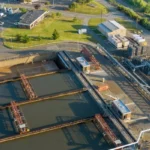
They have been made, in large part unwittingly. When water treatment plants want to get rid of these noxious microbes from our tap water, they do so with harsh disinfectants like chlorine. This not only destroys a lot of pathogens but also makes it easier to make the DBPs, among which HAA5 is a large player.
Methods of Detecting HAA5
HAA5 in water is detected using laboratory testing methods. The most common techniques for doing so are gas chromatography and liquid-liquid extraction followed by acidification and microextraction. Such tests require special knowledge and equipment to detect the level of these acids in water.
Gas chromatography, for example, is separating the constituent parts of a sample, and then examining them. Liquid-liquid extraction, followed by acidification and microextraction, then separating the HAA5 compounds from the rest of the sample to separate them for analysis. They’re not the same, but they offer reliable, consistent ways of measuring HAA5 in water.
EPA Standards and Regulations for HAA5

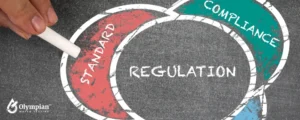
The United States Environmental Protection Agency (EPA) has established guidelines and regulations on levels of HAA5 allowed in water. As set out by the EPA, the safe drinking water limit for HAA5 is 60 parts per billion (ppb). This threshold was set to reconcile the risk of microbial contamination and the health impact of HAA5.
These regulations grew out of the Safe Drinking Water Act, which charged the EPA with making public water safe and clean. Note that these requirements are established by the EPA but enforced and adhered to by the water authority and utilities in local jurisdictions.
What is the current state of New York City's water quality?
New York City’s tap water is very good, mostly drawn from a network of reservoirs and lakes in upstate New York. The water is naturally purified in the reforested basin before it reaches the city taps. But NYC’s water supply isn’t untouched by problems and contaminants like any water supply.
The water is pretty good but has to be treated anyway to make it safe. This, although necessary, can lead to the creation of disinfection by-products such as HAA5. But periodic testing and surveillance ensures they remain within the permissible limits established by the EPA.
HAA5 in NYC's Water Supply
HAA5 is constantly tested in NYC’s water system as part of the city’s large-scale water monitoring system. These chemicals are not uncommon, but they have generally remained well below the limits of danger established by the EPA. Yet there are swings, and if they do it is generally because of the source water quality change or treatment process adjustment.
The HAA5 levels in NYC’s water supply are generally below unacceptable levels, but you need to keep in mind that they fluctuate from neighbourhood to neighborhood, from season to season and even from building to building. This variation is why testing and monitoring should be conducted continuously at all stages in the water supply chain, from the treatment plant to the tap.
Health Implications of HAA5 Exposure
There are multiple risks to high levels of HAA5. Study data shows that extended exposures could lead to:
Rimage from certain cancers, like bladder cancer.
Perils to the central nervous system.
Potential reproductive and developmental health effects.
Those results come mainly from animal experiments and epidemiological research in very exposed populations. But keep in mind that these risks have exposure values much higher than the EPA mandates.
Ways to Mitigate HAA5 in NYC's Water Supply
Reducing HAA5 in waterways mainly involves changing the way water is disinfected and supplying a cleaner water source. High performance water treatment systems like granular activated carbon filtration or UV disinfection can reduce HAA5 build-up. Also, if you can improve the quality of source water by protecting watersheds, you’ll reduce the amount of organic material that can react with disinfectants and prevent HAA5 from being produced.
At the municipal level, it’s important to keep spending money on water treatment. Whether that’s modernising current plants or implementing technologies that are capable of regulating the relationship between microbial exposure and disinfection by-product production.
Steps for New Yorkers to Protect Themselves
But despite rigorous municipal intervention, it’s up to individual New Yorkers to take precautions to avoid becoming subject to HAA5.
Water Filters that are certified: Certain home water filters filter HAA5 from water. Seek out products endorsed by NSF International to remove disinfection by-products.
Demand for better water treatment: Residents can lobby city officials and water companies to spend money on high-tech water treatment facilities and watershed protection.
Home water testing: A regular water test will keep your home water inside of safe levels for all contaminants including HAA5.
Learn more about HAA5 and its impact on our water, and you’ll know that you’re making smart decisions for your water and your health. We can all take part, and become aware, activist and active, to make NYC’s water quality better every day.
Conclusion: Ensuring Safe Drinking Water
To ensure the quality of New York City’s drinking water is regulated by testing and EPA regulations. Water that has undergone efficient water treatment still has disinfection by-products such as HAA5 that need constant control. HAA5 can be prevented with improved treatment technologies and source water quality. Public education and individual measures like utilizing certified filters and pledging water infrastructure improvements are essential. New Yorkers can make smart decisions about how to safeguard their health and keep water quality in New York City as improved as possible by knowing about the sources and impacts of HAA5.
Share this on social media:
Facebook
Twitter
LinkedIn

Related Posts