Queens’ Water Quality and Chloride: An Exploratory Study
- Published:
- Updated: December 14, 2024
Listen to this article
Summary
Queens faces water quality issues, particularly with chloride levels, due to various factors.
- Elevated chloride can affect health and infrastructure.
- Sources include natural watersheds and urban development.
- Local and personal actions are crucial for improvement.

Water is life’s saviour, but in Queens, New York, the quality of tap water is a cause for concern and controversies. Everything from environmental contamination to crumbling infrastructure contaminates water. One of them is chloride, an ion that, although it’s found in nature, can build up to a toxic degree for people and the planet.
The Basics of Water Quality Assessment
It’s important to know the water quality of any community for their health and wellbeing. Water quality, in short, is the physical, chemical and biological properties of water, generally as a function of whether it is to be drank or irrigated. Chloride is one of several variables water quality researchers test for, as are the pH level, turbidity and other chemicals or pathogens.
The importance of chloride as a water quality indicator is no exaggeration. Chloride is non-toxic and even healthy in trace amounts. But high levels can mean issues with wastewater treatment facilities or road salt runoff. A full picture of the water quality and safety can be achieved if you know what chloride content is present in your water.
The Heart of Queens: The Water Sources

Queens’ water is a mix of surface and groundwater from the Catskill, Delaware and Croton watersheds. Such resources from nature are part of the water system of the city and their primary source of supply for millions of citizens.
But all sources are subject to quality issues. With development taking over these natural watersheds, runoff and pollution become an increased problem. In addition, older infrastructure can result in more chloride and other contaminants so monitoring and maintenance are essential for water quality.
Chloride: The Good, The Bad, and The Salty
Chloride ions are present in water and add to the minerals in it. The chloride in the water is not harmful at all on average and can make it taste better. But if it’s too high, it tastes salty and few people like it.
Concentrations of chloride at high levels can be dangerous as well. Chloride isn’t really toxic, but it can become very high when it contains other poisonous ions (eg, sodium). If you are low in sodium, that can be a real problem. High levels of chloride can rust pipes, too, and possibly introduce metals into the water supply.
How Does Queens Measure Up? An Overview of Recent Studies
Water Quality: Queens water has been the subject of many studies involving chloride. These studies usually find Queens’ water quality well within federally approved levels, but they’ve also reported excessive chloride.
This is particularly concerning in comparison with adjacent boroughs. Queens, for instance, is a city that averages more chloride than Manhattan. Not entirely why this is the case, but perhaps more testing and regulation.
The Controversial Role of Road Salt
Road salts are a common method for dealing with icy conditions in Queens, especially during the winter months. While effective for improving road safety, these salts inevitably end up in the water supply, contributing to elevated chloride levels.
The environmental impact of road salt is also a significant concern:
- Runoff affects aquatic life, causing osmotic stress for fish and other species.
- Elevated chloride levels in soil can harm plant life.
- Salt residues can accumulate in water bodies, disrupting their natural balance.
Residential Contributors: Water Softeners and More
The water softeners used by many in Queens are an attempt to neutralize hard-water in the neighbourhood. These devices are good for adding a "feel" to water and keeping pipe scale at bay, but they release a lot of chloride into the sewer.
All this sulphide-laden waste water eventually enters water treatment plants, and could re-enter the water cycle in due course. Because of this, even household choices can have regional impacts on water quality, and eco-friendly solutions must be found.
What Local Government Is Doing
These days, a number of policies and rules have been put in place to keep Queens’ water safe for consumption with chloride. These are periodic monitoring and mandatory reporting of high concentrations, and infrastructure improvements to lower contaminants.
However, more can be done. For that to take hold, it will take public hearings and local mobilisation. Indeed, several new policies are in the works that would enact more restrictions and stiffer penalties for violations, so now is the time to get involved.
Steps You Can Take: A Homeowner’s Guide
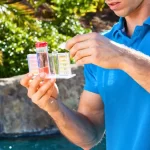
The community should be a focus, but there are also things you can do as a private homeowner to help the water. You can test your water for chlorine with test kits and filtration systems are capable of reducing this.
Active participation in your local community is also a great option. Whether it’s public meetings, community clean-ups or lobbying for more regulations, every step counts. And together we can make Queens’ water cleaner and safer.
Impact of Urban Development on Water Quality
Queens has a big effect on its water quality from urban development. As structures grow and infrastructure develops, land that filters the water evaporates and flows away, polluting us more. This is introducing more chemicals, such as chloride, into the water. Water quality depends on how this growth is controlled through green infrastructure and sustainable planning.
Conclusion: Queens' Water Quality and Chloride Levels
Conclusion: Queens’ water quality (especially its levels of chloride) is a complex natural and human-made issue. These aspects need to be better understood and addressed through public education, sustainable urban planning, and tough regulation to provide water for people of all walks of life.
Share this on social media:
Facebook
Twitter
LinkedIn

Related Posts