Exploring Bottled Water Alternatives for Sustainability
- Published:
- Updated: December 16, 2024
Listen to this article
Summary
Bottled water’s environmental impact is significant, raising concerns about sustainability. Explore alternatives like:
- Reusable bottles: Fill with tap water or use filters to improve taste.
- Refill stations: Convenient option to avoid single-use plastic.
- Water filters: Remove impurities and improve tap water quality.

To stay on the green side, there are alternatives to bottled water that can help eliminate waste, reduce carbon emissions and promote green practices. Bottled water was once a convenient option but has been found to be environmentally damaging due to plastic and high energy consumption. Supporting green choices like reusable water bottles, household water filters, or water refill stations isn’t just lessening the damage to the environment but it encourages more mindful consumption and a greener future.
The Environmental Impact of Bottled Water
There is the ease of bottled water that has the massive environmental cost of consuming and disposing of it. Production consumes vast quantities of water and fossil fuels – the process depletes resources and releases carbon. It takes three times as much water, for instance, to make the plastic bottle than it does to empty it.
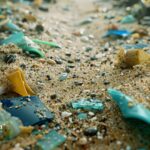
Then there is production, and then there is the question of waste. Even with recycling, most plastic bottles end up in landfills or, worse yet, our oceans, adding to the worldwide epidemic of plastic waste. Surely alternatives to single-use bottled water will have to be considered if we’re ever going to adopt a more sustainable approach to hydration?
Understanding the Safety and Quality of Tap Water

Tap water in most regions of the world is safe and comes with strict standards. Water is tested at regular intervals by city water supplies and purified for health requirements. This tap water can be as good or better than the water you buy from a bottle in most developed countries.
But tap water quality can fluctuate according to taste, clarity and public trust in regional water services. The good news is, even if you’re worried about the quality of your tap water, you can change that in your home to make it better without buying bottled water.
How can water filters serve as a sustainable alternative for water purification?
Filtration systems for water can be a renewable substitute for bottled water. These filters, which can be plugged into your faucet or put into a pitcher or bottle, filter impurities out of your tap water and make it taste better. Types of filters include:
Activated carbon filters: These filter chemicals such as chlorine out, making water taste and smell better.
Reverse osmosis filters: These can trap a lot of contaminants like heavy metals and bacteria.
Keep your filter cleaned and changed on a regular basis so that it doesn’t get polluted.
Reusable Water Bottles and Hydration Stations
You can reuse water bottles which are a great alternative to disposable plastic bottles. Fill them with purified tap water and you have a portable and economical way to stay hydrated. They’re also available in different materials, including glass, stainless steel and BPA-free plastic, so you can choose one that works for you.
There are hydration stations, public water stations where you can fill up your bottle, increasingly present at airports, university campuses and city streets. With this increasing recyclability infrastructure, using reusable bottles has never been more convenient.
Bottled Water Alternatives for Travel
When traveling or in situations where tap water safety is uncertain, there are alternatives to bottled water. Portable water filters and purifiers are available, which can remove contaminants from tap water. UV sterilizers are another option, which use ultraviolet light to kill bacteria and other pathogens in the water.
In addition, some companies offer self-fill, reusable water bottles with built-in filters for travel. These bottles provide a convenient way to ensure you have safe drinking water wherever you go, without relying on single-use plastic bottles.
The Rise of Water Delivery Services
You can also go for water delivery services. These are the services that deliver huge reusable jugs of water to your house or office without the waste of single-use plastic bottles. A lot of these are in glass or BPA free plastic jugs, that can be recycled, washed, and reused which is more environmentally friendly.
Note: Though water delivery services are a greener option to bottled water, they do still require power to transport. These services are therefore meant as part of a comprehensive approach to healthier hydration, not as a singular intervention.
What are some innovative approaches and technologies in sustainable water packaging?
Efforts to find more environmentally friendly water bottles have produced some innovative ones. We have boxed water brands now, for instance, that come in boxes made almost entirely of renewable paper. And then there are companies that are developing totally biodegradable bottles from plants.
Among the more avant-garde ideas are edible water pods. They grow pods that pack drinking water into an edible membrane of natural seaweed extract. While it is still experimental, products such as these demonstrate how bottled water alternatives can be truly sustainable.
Promoting Sustainable Hydration Habits
Advocating for long-term water consumption takes both the individual and society at large. You can: At the personal level:
Tap water over bottled water if you can.
If you need to replace your faucet water with filtered water, invest in one.
Use a reusable water bottle
Buy from brands that are environmentally responsible in packaging.
Larger-scale, we can fight public policies that make clean tap water more available and refillable bottles more readily refillable. Making others aware of the effects of bottled water and what’s available as an alternative also can change attitudes and habits.
Share this on social media:
Facebook
Twitter
LinkedIn

Related Posts