Is it safe to drink tap water in Las Vegas?
- Published:
- Updated: July 5, 2025
Listen to this article
Summary
Tap water in Las Vegas is generally safe to drink, as it undergoes rigorous treatment and is regularly tested for over 90 contaminants. The Southern Nevada Water Authority (SNWA) manages the water supply, sourcing it from Lake Mead and the Colorado River. Although there are potential risks like lead from aging infrastructure or naturally occurring arsenic, these are well-monitored and kept within safe levels. Residents can take extra precautions with home filtration systems and regular water testing.
- Las Vegas water is sourced from Lake Mead and treated with methods like filtration and disinfection to ensure safety.
- Over 300,000 water tests are conducted annually to monitor for contaminants like lead, arsenic, and nitrates.
- Home filtration systems and regular water testing can offer additional assurance for residents concerned about water quality.

When considering the safety of drinking tap water in Las Vegas, it’s essential to explore the intricacies of water quality and the rigorous testing processes that are in place to ensure public safety. With the increasing concerns about environmental pollutants and the impact of infrastructure on water quality, understanding the specifics of tap water safety in Las Vegas is more pertinent than ever. The city’s unique environmental and geographical factors add layers of complexity to water quality management, necessitating a robust infrastructure to handle these challenges effectively.
The dynamics of water safety are influenced by several factors, including natural reservoirs, human activities, and technological advancements in water treatment. As urban development in Las Vegas continues to expand, so does the demand for safe drinking water, making the role of local authorities in maintaining water quality increasingly crucial. Moreover, public awareness and education about water safety play pivotal roles in ensuring community health and well-being.
Understanding Las Vegas Water Supply
Las Vegas, a city famed for its vibrant nightlife and arid desert climate, sources its water primarily from Lake Mead, which is fed by the Colorado River. This reservoir serves as a lifeline not only for Las Vegas but also for several other cities across Nevada, Arizona, and California. The Southern Nevada Water Authority (SNWA) is tasked with treating and distributing this water to the city’s residents. This reliance on a shared water source underscores the importance of inter-state cooperation in managing water resources efficiently.
Given the Colorado River’s critical role in supplying water to millions, conservation efforts and sustainable practices are essential. The SNWA and other agencies continuously work on strategies to manage demand and address challenges posed by droughts and climate change. Innovations in water recycling and the promotion of water-efficient technologies are integral to ensuring the long-term viability of Las Vegas’s water supply.

Is It Safe to Drink Tap Water in Las Vegas?
Tap water in Las Vegas is generally considered safe to drink due to the city’s rigorous water treatment processes and consistent testing. The Southern Nevada Water Authority (SNWA) ensures the water meets or exceeds federal safety standards by regularly testing for over 90 potential contaminants. While the water is sourced primarily from Lake Mead and the Colorado River, which can introduce challenges like aging infrastructure or naturally occurring arsenic, these risks are carefully managed. The SNWA employs advanced filtration and disinfection methods to address these concerns, ensuring the water remains clean and safe for consumption. Residents who are particularly cautious may also opt for additional peace of mind through home water filtration systems or regular testing, but overall, the tap water in Las Vegas is safe for daily use.

Below is a table summarizing common contaminants in Las Vegas tap water, their associated health risks, the affected groups, and the current levels found in the city’s water compared to the maximum allowable levels set by the Environmental Protection Agency (EPA):
| Contaminant | Health Risks | Affected Group | Maximum Allowable Level (EPA) | Current Level (Las Vegas) |
|---|---|---|---|---|
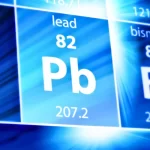
| Lead | Developmental delays, cognitive impairments | Children | 15 ppb | 0.3 ppb |
| Arsenic | Skin, bladder, lung cancer | General population | 10 ppb | 1.2 ppb |
| Nitrates | Methemoglobinemia (blue baby syndrome) | Infants | 10 ppm | 2.5 ppm |
Tap Water Testing and Safety Standards
The safety of tap water in Las Vegas is continually assessed through rigorous testing regimes. The Environmental Protection Agency (EPA) sets national standards for drinking water quality, and the SNWA adheres to these regulations, conducting over 300,000 tests annually for more than 90 different contaminants. These tests are crucial for detecting any anomalies early and ensuring that corrective measures are swiftly implemented.
The comprehensive testing not only focuses on current contaminants but also adapts to emerging threats, ensuring that water quality remains uncompromised. Transparency in reporting and a commitment to exceeding regulatory requirements foster public trust and provide reassurance to residents about the safety of their drinking water.
Addressing Public Concerns

Despite assurances, some residents may still harbor concerns about the safety of their tap water. Factors contributing to this apprehension include:
- Aging Infrastructure: Older plumbing systems can introduce contaminants like lead into the water supply. Regular maintenance and modernization efforts are crucial in mitigating these risks.
- Water Hardness: Las Vegas water is known for its high mineral content, or hardness, which, while not a health risk, can affect taste and household appliances. Simple solutions like water softeners can alleviate these issues, providing a more pleasant experience for consumers.
For those concerned about these issues, installing a home water filtration system can provide additional peace of mind by reducing potential contaminants and improving taste. These systems can be tailored to address specific concerns, offering customized solutions for individual households.
Practical Solutions for Ensuring Water Safety
Here are some practical steps residents can take to ensure the safety and quality of their tap water:
Regular Water Testing
Homeowners can conduct independent water tests to monitor their tap water’s safety. Testing kits are available for purchase and can identify the presence of common contaminants like lead, nitrates, and bacteria. These kits empower residents to take control of their water quality, providing insights that can inform further action if necessary.
Regular testing also enables early detection of potential issues, allowing for prompt intervention and minimizing health risks. By incorporating water testing into routine household maintenance, residents can ensure their water remains safe and clean.
Installing Filtration Systems

Investing in a reliable water filtration system can significantly improve water quality. Options range from simple pitcher filters to more comprehensive systems like reverse osmosis units, which can remove a wide array of impurities. These systems can be customized to meet specific needs, providing targeted solutions for different water quality concerns.
Filtration systems not only enhance safety but also improve the aesthetic qualities of water, such as taste and clarity. By selecting the right system, residents can enjoy superior water quality directly from their taps.
Conclusion
In conclusion, while the tap water in Las Vegas is considered safe to drink, it is imperative for residents to remain vigilant and proactive in ensuring their water quality. By understanding the treatment processes, potential contaminants, and available solutions, individuals can make informed decisions about their water consumption and safeguard their health. A collaborative approach involving local authorities, community members, and technological innovations ensures that water safety remains a priority for all.
The commitment of local authorities to maintaining high standards of water safety, coupled with the availability of practical solutions for home use, provides a robust framework for ensuring that Las Vegas residents have access to safe and reliable drinking water. By fostering a culture of awareness and responsibility, Las Vegas can continue to thrive as a community committed to ensuring the health and well-being of its residents.
Share this on social media:
Facebook
Twitter
LinkedIn

Related Posts