Ensuring Safe Drinking Water: New York's Lead Testing Requirements for Schools
- Published:
- Updated: January 2, 2025
Listen to this article
Summary
Ensuring safe drinking water in New York schools involves rigorous lead testing requirements to protect children from lead contamination. Key points include:
- Lead testing is mandated every five years, exceeding federal standards, with immediate action required if lead levels exceed 15 ppb.
- Case studies, like incidents in Ithaca, highlight the importance of transparent communication and swift remediation efforts.
- School administrators, along with community participation, play a crucial role in ensuring compliance and safeguarding children’s health.

Access to safe drinking water is the most important thing we can do for our children’s wellbeing. That responsibility is all the more salient if we think of lead contamination in the water that goes to our schools. Lead is a poisonous metal that has deadly health effects when ingested (especially in children). Children who are exposed to lead can develop problems, acquire disabilities and even suffer kidney disease. Children are the worst offenders: their developing bodies use up more lead than adult bodies.
In public schools, lead usually gets into drinking water from the corrosion of lead-containing plumbing fixtures. Exposure to lead, even at low levels, is deadly. You can’t guarantee safe drinking water without testing and monitoring it regularly.
The Basics of Lead Testing
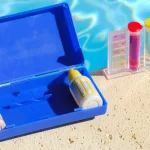
Water Lead Test : Lead water testing requires water samples to be taken and analysed. This is usually done by trained experts who are conversant with the chemistry of water and have the proper testing instruments.
Water samples are taken at the beginning from sources like drinking fountains and kitchen faucets. Then these are analysed in a lab for lead levels. The results are then compared to lead thresholds that are acceptable by regulators. Any result outside of this range requires action to preserve the drinking water.
New York's Regulations on Lead Testing in Schools

New York responded to the national epidemic of lead services testing school water. These mandate lead testing in all public schools every five years at the minimum.
This rule requires action immediately if lead levels reach 15 parts per billion (ppb). Outlets must be shut down, and lead levels remedied to a lower level. Results need to be informed to parents, workers and public health agencies.
Comparing New York's Standards to Federal Standards
New York’s school lead test is among the strictest in the country – more rigorous than the federal standards. The U.S. Environmental Protection Agency (EPA) has recommendations for how to reduce lead in school water, but no federal law states that schools are required to test for lead.
New York’s proactive approach makes it safer to drink water in school because it puts the health and safety of students first. It sets a model other states could learn from.
Case Studies: Lead Contamination Incidents in New York Schools
And there have been a number of occasions, over the years, when New York schools tested high in lead. All of these incidents have taught us a lot and influenced the way lead testing is done today.
One such episode was in Ithaca, where we found high lead levels in several schools. They applauded the district’s transparent response to the crisis, which involved shutting down affected water systems and reaching out to parents immediately. The event was a reminder to regularly test and react quickly when contamination occurs.
The Role of School Administrators in Ensuring Safe Drinking Water
School administrators play a crucial role in ensuring safe drinking water. Their responsibilities include:
- Scheduling regular lead testing in line with state regulations.
- Responding promptly to test results indicating elevated lead levels.
- Communicating transparently with parents and the community about lead testing results and any necessary remediation efforts.
Community Participation and Awareness
Beyond regulation and administration, public participation is essential to providing access to safe water in schools. There are parents, teachers and students who can help.
Teachers and parents can keep an eye out for signs of lead contamination (red water, etc) and report anything that concerns them to the school district. They can also be used to educate consumers on lead testing and lead poisoning.
There are places for students too. It’s easy to teach them about how healthy drinking water is, and turn them into leaders for their own and their friends’ health.
What are the future directions for innovations and improvements in lead testing?
Going forward, there are areas where lead testing technologies and policy could be improved. New tests, such as those involving high-tech sensors or molecular processes, are supposed to be faster and more precise.
The demands on policy side include ever tighter regulations and fewer permissible levels of lead. These and the development and deployment of more robust testing methods will continue to enable us to provide safe drinking water in our schools.
Our schools should provide clean drinking water – which is important for child health and wellbeing. New York is still at the forefront, both in testing and proactive policy, as an example to other states. The more the technology and policies develop, the more effective will be the effort to shield our children from the risk of lead exposure.
Share this on social media:
Facebook
Twitter
LinkedIn

Related Posts