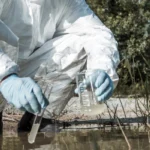
Ensuring Access to Safe Water in Rural and Emerging Communities

There’s also a question of access to safe water especially in rural areas and young communities. When people don’t have access to potable and safe water, they develop serious health issues and inhibit economic development. Rural and new-comers communities should be equipped with the infrastructure and materials to offer clean water to their people. This needs to be done both by the government and private sectors along with the community as well, to make it sustainable.
The Challenges of Accessing Safe Water in Rural and Emerging Communities
Lack of infrastructure and investments in water and sanitation is among the top concerns of rural and new communities. There is no purified, wholesome water in many rural areas and everyone has to make do with polluted river, lake or well. There is also typically no sewerage treatment plant and raw sewage gets dumped into the landscape.
Another challenge is poverty. There are also many rural communities where people don’t have money for safe water. This usually means that people have to use contaminated water, which can be very dangerous for their health.
The water and sanitation are also not good, which makes hygiene difficult and is a reason for the prevalence of diseases like cholera, typhoid and diarrhoea. What’s more, women and children have to spend hours daily hauling water, which interrupts other activities such as family care and education.
What Can Be Done to Ensure Access to Safe Water in Rural and Emerging Communities?

There are several steps that can be taken to ensure access to safe water in rural and emerging communities. These include:
- Improving water and sanitation infrastructure: Investing in water and sanitation facilities in rural areas is essential to ensuring access to safe water. This includes building water treatment plants, installing water pumps, and constructing toilets and sewage treatment facilities.
- Providing education and training: Raising awareness about the importance of safe water and the dangers of contaminated water is crucial. This can be done through community education programs, training sessions, and health campaigns.
- Encouraging community involvement: Communities can play a key role in ensuring access to safe water. This can be done through the creation of community-led water committees, which can oversee the construction and maintenance of water and sanitation facilities.
- Promoting private sector involvement: Private companies can play a significant role in improving access to safe water in rural areas. This can include investment in water and sanitation infrastructure, as well as providing training and support to communities.
- Providing financial support: Governments and international organizations can provide financial support to rural communities to help them access safe water. This can include grants, loans, and subsidies for water and sanitation projects.
The Importance of Ensuring Access to Safe Water in Rural and Emerging Communities
Access to clean water in rural and new settlements is not only a human right, but also a means to lower poverty and improve health. Through improved water and sanitation systems, societies can prevent diseases, increase hygiene and provide clean and safe water.
Also, safe water has economic benefits. Reduced burdens of water-related illness also make populations more productive – people spend more time working and less time looking after sick relatives.
Provision of clean water can be green as well. Communities can mitigate the potential for water pollution and save ecosystems by using less contaminated water.
The Impact of Climate Change on Water Access in Rural Communities
Water availability in rural areas is already significantly affected by climate change. The temperatures are rising, droughts are more frequent and rains are shifting — and the quality of water is changing. Wells and springs are drying up in much of the countryside and making it hard for families to have safe water. That exacerbates problems and leads to more water-borne disease.
Invest in water management and conservation to manage the impacts of climate change on rural water availability. That involves rainwater collection, building water reservoirs, and plant drought-tolerant crops. Then they can train communities to conserve water — for example, by cultivating drought-resistant crops and using less water.
The Importance of Sustainability in Water Access Projects
Sustainability is a priority for ensuring sustainable water supply in rural and emerging societies over the long term. There have been many water access projects that didn’t work in the past due to being unsustainable. For instance, wells and pumps can become old, or communities don’t have the know-how or the resources to keep them in good repair.
To make these sustainable, the community should be included in water access planning and operation. You can do this by consulting with the people, by setting up local water committees, and providing training and assistance. Also, water access infrastructure must be low-maintenance and repairable using local resources and technologies.
If we can do this to integrate sustainability into water access projects, then we can ensure that communities will have reliable water for future generations. That will help health, the economy, and the environment in a better and more sustainable world.
The Role of Government and International Organizations in Ensuring Safe Water Access
It is imperative that government and foreign organisations provide access to safe water in rural and developing areas. These agencies can finance and technical help communities, and push for access to safe water.
Governments can also provide funding for water and sanitation in rural areas, and manage water quality. They can also financially incentivize private companies to commit to water access projects and community initiatives.
International agencies can help with technical knowledge, training and financing of water access projects. They can also communicate to everyone that water safety must be addressed at a national and international level.
: Governments and international institutions must engage with communities and the private sector to make sure water access projects are durable, efficient and sustainable. If we can do this in a collaborative way, we can make sure everyone has clean water where they live.
Share this on social media:
Facebook
Twitter
LinkedIn