Why Water Quality Matters in New Jersey
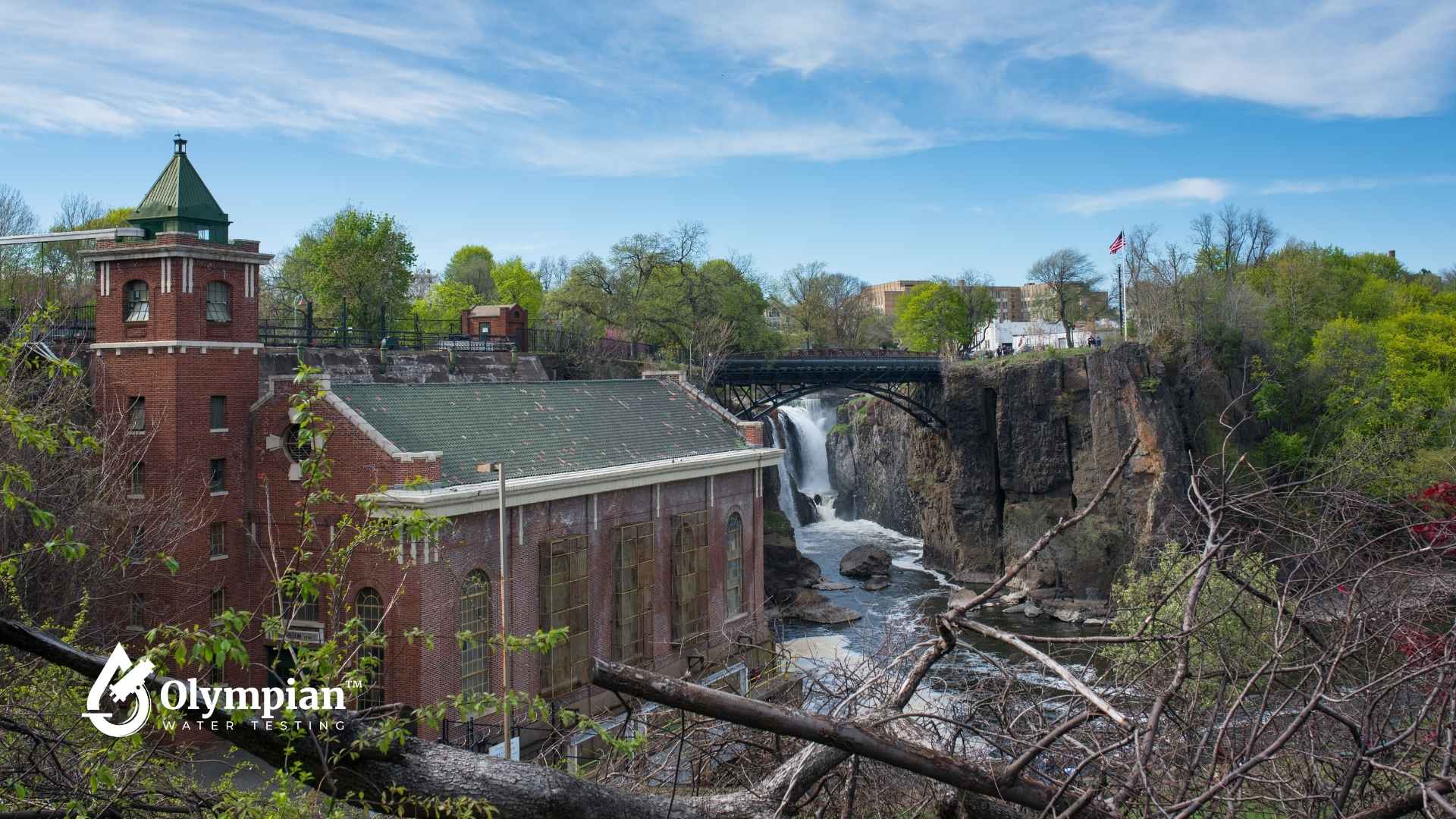
Clean drinking water is essential for public health. Given New Jersey’s dense population, constant vigilance is necessary. PVWC shows its dedication by using advanced methods at the Alan C. Levine Little Falls Water Treatment Plant. They focus on chemical balancing and proactive flushing programs.
These efforts protect communities from harmful contaminants. They showcase New Jersey’s commitment to water safety.
“Water safety is critical for maintaining public health.” — U.S. Environmental Protection Agency
Local utilities collaborate with experts to improve their processes. This builds trust in public services and ensures a reliable drinking water supply. Residents demand high standards, given the state’s industrial history and rapid population growth.
Modern techniques help mitigate risks and preserve natural resources. Investing in New Jersey’s water safety benefits everyone. It promotes healthier neighborhoods and boosts confidence in tap water across the state.
Common Sources of Contamination
Water supplies face numerous challenges due to pollutants entering rivers and reservoirs. Local providers, such as the Passaic Valley Water Commission (PVWC), closely monitor quality. They aim to meet drinking water standards and safeguard public health. Threats include oxidized metals, sediments, and chemicals from daily activities.
Industrial Discharges
Factories sometimes release heavy metals and solvents into nearby waterways. This increases the burden on treatment systems, which work hard to keep levels safe. Regular testing is key to identifying harmful compounds early, preventing major risks.
Agricultural Runoff
Farms use fertilizers and pesticides that can leak into streams and lakes. Excess nutrients and bacteria can threaten local drinking water standards. PVWC responds by adjusting treatment processes and supporting sustainable land management.
Urban Stormwater
Storm drains carry pollutants like oil, litter, and more from roads into bodies of water. These flows contribute to turbidity and contamination. Implementing best practices in city planning can reduce stormwater discharge. This helps ensure safe and reliable water supplies.
Key Considerations for Passaic County water quality
Passaic County’s environment is a complex mix of industrial zones, farmland, and densely populated neighborhoods. This blend necessitates rigorous monitoring to mitigate water contamination risks. These risks include sediment buildup and pipeline failures. Hydrant flushing can also stir up mineral deposits, potentially altering water’s color or taste. While these particles are usually harmless, they can erode consumer confidence.
System maintenance is critical for public safety. Authorities closely examine infrastructure, monitor watershed health, and address distribution issues. This consistent effort helps minimize water contamination risks. It ensures that water supplies remain reliable across the region.
Issue | Potential Impact |
Pipeline Sediment | Possible discoloration and taste changes |
Distribution Breaks | Increased chance of outside substances entering water |
Hydrant Flushing | Temporary disturbance of mineral buildup |
Regulatory Standards and Guidelines
Public health depends on strict oversight to set acceptable contaminant levels and enforce regular testing. Federal agencies establish baseline goals, promoting consistent practices across communities. These goals ensure that microbiological safety, chemical concerns, and natural minerals stay within permissible limits. This preserves access to dependable drinking water.
Federal Regulations
The U.S. Environmental Protection Agency directs nationwide policies aimed at limiting chemical pollutants and preventing harmful bacteria. Frequent sampling and transparent reports safeguard residents from emerging hazards. This framework compels water treatment plants to adapt advanced techniques and meet strict benchmarks for quality and safety.
State-Level Requirements
The New Jersey Department of Environmental Protection refines national standards to match local patterns of industrial and urban development. Rules target site-specific challenges, including higher contaminant risks in certain waterways. These measures influence how water treatment plants operate, spurring improvements in technology and infrastructure to stay in line with evolving demands.
Testing Methods and Frequency
Regular testing is key to spotting water quality issues in Passaic County. Samples are taken from key locations, such as treatment plants and consumer taps. This ensures the community stays informed and trusts its water supply. Residential water testing offers homeowners peace of mind when they notice odd smells or tastes.
Sampling Guidelines
Technicians follow a strict schedule, testing at regular intervals. They focus on diverse areas, considering demographics and geography. The Passaic Valley Water Commission targets areas with old infrastructure to check for metal corrosion. They measure pH levels, nutrient content, and microbial growth.
Laboratory Analysis
Samples are sent to certified labs with advanced equipment. Experts analyze chemical and bacterial indicators, following EPA and NJDEP guidelines. Their results guide efforts to keep the water safe.
Reporting Standards
Test results are included in Consumer Confidence Reports for public access. These reports detail risks and suggest fixes. Residential water testing complements official data, helping individuals address specific concerns and ensure water quality.
How Water Treatment Plants Operate
Modern facilities operate with precision, adhering to federal regulations on water. This ensures communities have access to clean water all year. At the Passaic Valley Water Commission’s Little Falls site, granular activated carbon and advanced clarifiers are key. They trap contaminants, ensuring public health is protected from harmful organisms.
Operators monitor flow rates and adjust chemical balances. They also disinfect the water before it reaches consumers. This process is overseen by experts, ensuring compliance with federal regulations. The Little Falls plant upgrade showcases the role of new technologies in maintaining water quality. These technologies filter out particulates and ensure stability under changing conditions.
Stage | Purpose | Technique | Outcome |
Intake | Collect raw water | Screening | Removes large debris |
Coagulation | Group small particles | Chemical dosing | Enhances settling |
Filtration | Eliminate fine solids | Granular media | Clear, sediment-free water |
Disinfection | Neutralize pathogens | Chlorine or UV | Safe final output |
Infrastructure Challenges
Passaic County’s water system grapples with aging pipelines and inconsistent flow rates. Mineral buildup can lead to discoloration during flushing or when pressure changes. Despite financial and logistical obstacles, investing in upgrades is essential to avoid future service disruptions.
Aging Pipelines
Historic pipes are prone to corrosion, which can release harmful substances into the water. Regular inspections and small-scale upgrades are critical. They help utilities identify problems early and implement effective solutions.
Maintenance and Upgrades
Flushing removes debris, but ongoing maintenance is necessary to prevent buildup. Modernizing the infrastructure is key to ensuring a safe water supply. Replacing deteriorated sections and applying protective linings are vital steps to mitigate risks.
Residential Water Safety Measures
Residents can play a key role in maintaining their household water’s quality. Experts recommend running cold taps briefly after hydrant flushing to remove sediment. This action helps prevent discoloration and protects clothes from stains.
Installing certified filtration devices is also a common practice. These filters, designed to remove lead and other contaminants, are effective when properly maintained. Checking official Consumer Confidence Reports provides valuable insights into local water quality.
“Ensuring a safe supply depends on shared responsibility among homeowners, utilities, and agencies,” stated the U.S. Environmental Protection Agency.
Regular maintenance at home also supports municipal water conservation. Promptly fixing leaks saves gallons of water and cuts utility costs. Adopting dry-weather landscaping or drought-tolerant plants reduces the load on treatment facilities. This ensures a reliable supply of clean water for everyone.
Notable Water Quality Concerns
Water systems face new and ongoing challenges that demand careful attention. Industrial runoff and household waste have introduced compounds that scientists continue to review. Communities and local environmental initiatives work around the clock to spot these threats early on.
Emerging Contaminants
PFAS and leftover pharmaceuticals are at the top of the watch list. PFAS, produced in certain manufacturing processes, tend to remain in water supplies and may affect health over time. Drug residues can reach streams and rivers from landfill leachate or improper disposal. Targeted monitoring helps identify these risks and keep people informed.
Lead and Copper Issues
Older pipelines and outdated plumbing create conditions for metallic particles to leach into tap water. Utilities urge residents to test for these materials if they suspect contamination. Replacing worn service lines takes priority in many cities, reflecting the efforts of local environmental initiatives aimed at safeguarding public health.
Role of Local Environmental Groups
Local organizations play a critical role in safeguarding natural resources and public health. They collaborate with utilities and towns to host cleanups, share educational materials, and raise awareness about critical issues. Their initiatives often involve volunteers who work to remove litter, protect wildlife habitats, and promote pollution prevention.
Working with Passaic County agencies, these groups collect data, support strict regulations, and advocate for thoughtful policies. Grassroots efforts draw attention to environmental changes and engage residents in discussions about safety and quality. This approach empowers neighbors to identify and address infrastructure flaws and urgent problems.
- Organizing river cleanups for healthier ecosystems
- Facilitating workshops to teach pollution prevention
- Fostering engagement with town councils and utilities
These partnerships enhance environmental stewardship and foster long-term solutions. Through research, advocacy, and community events, people come together to protect a reliable water supply and the environment for future generations.
Municipal Water Conservation Efforts
In Passaic County, local governments push for responsible water use to safeguard natural resources. They teach households about easy ways to cut down on water use without sacrificing comfort. Communities suggest using high-efficiency fixtures and smart landscaping to avoid stormwater runoff.
“Sustainable water strategies remain vital for preserving local ecosystems,” stated a New Jersey Department of Environmental Protection spokesperson.
Education Programs
Workshops and local campaigns teach how to fix leaks fast and pick water-saving appliances. These classes guide daily habits towards a culture of mindful water use. For more on community efforts, visit Passaic Valley Water Commission’s proactive measures.
Green Infrastructure
Municipalities back projects that soak up and filter runoff, like rain gardens, bioswales, and permeable pavements. These efforts cut down on flooding risks and keep local waterways clean. They also enhance urban landscapes, showing commitment to saving water.
Technological Innovations in Water Monitoring
Modern facilities now use automated sensor systems to monitor turbidity, pH, and contaminants continuously. These systems provide real-time data, enabling quick identification of water quality changes. This is a significant improvement over traditional methods.
Brands like Xylem create products that collect digital data from various sources. This includes reservoirs, pipelines, and treatment stations. The data helps managers predict and prevent risks, ensuring safety standards are met.
Advances in filtration have come through membrane processes and ultraviolet disinfection. These technologies target specific pollutants effectively, reducing waste. This not only saves energy but also lowers operating costs. Experts use these innovations to improve public health.
These technological advancements have revolutionized daily operations in water monitoring. They enable local providers to respond quickly to threats, ensuring a steady supply of clean drinking water. This brings peace of mind to communities.
Looking Toward a Sustainable Future
Passaic County water efforts are guided by forward-thinking strategies, aiming for a balanced tomorrow. PVWC emphasizes the importance of pipeline maintenance and modern water treatment. These steps are critical to ensuring clean water supplies, despite climate uncertainties and population growth.
Cost-effective upgrades and eco-friendly technology are essential in safeguarding the region’s infrastructure. The integration of renewable energy at local facilities reduces environmental harm. This move not only supports sustainability but also strengthens the community’s commitment to responsible management. Such collective efforts ensure safe water service for future generations.
FAQ
How does Passaic County ensure water supply resilience?
Passaic County works with groups like the Passaic Valley Water Commission (PVWC) to update its water systems. They focus on improving pipelines, using new filtration methods, and fighting corrosion. These steps help keep the water supply reliable.
Why is monitoring for emerging drinking water contaminants important?
PFAS and pharmaceuticals can get into water systems from industrial activities or landfills. Local water providers test for these substances using special methods. They follow EPA rules to keep drinking water safe and clean.
What role does compliance testing play in maintaining water quality?
Compliance testing involves regular sampling and lab analysis. It follows federal and state rules. This ensures utilities check for harmful substances, making adjustments as needed to protect public health.
How do flushing procedures help improve water quality?
Flushing removes deposits like iron and manganese from old pipes. It might cause temporary color changes. But, it’s a key step to keep water flowing well, tasting good, and safe for the long run.
Are there ongoing efforts to address stormwater pollution in Passaic County?
Yes, there are. Municipal efforts and green projects like bioswales or rain gardens manage stormwater. These natural filters help keep rivers and reservoirs clean.
How do local utilities handle watershed sustainability?
Utilities focus on protecting watersheds through habitat conservation and pollution prevention. They also manage land use responsibly. This approach protects the water cycle and ensures safe water for future generations in New Jersey.
What types of testing methods identify common contaminants?
Utilities use many testing methods, including nutrient and pathogen monitoring. They also analyze for metals and chemicals in labs. These tests help understand water quality and meet state standards.
How can homeowners further ensure household water safety?
Homeowners can install certified filters and ask for water tests from trusted labs. They should also look at the Consumer Confidence Report (CCR) from local utilities. These steps help ensure water safety and catch any issues early.