Effective Solutions for Rusty Water Issues
- Published:
- Updated: July 5, 2025
Listen to this article
Summary
Rusty water is often caused by the corrosion of iron pipes, sediment disturbance, or natural high iron concentrations in groundwater. While not always harmful, it can affect water quality and appearance. To address the issue, solutions like pipe replacement, filtration systems, and regular maintenance can help restore water quality.
- Rusty water can stem from corroded iron pipes, sediment disruption, or naturally high iron in groundwater.
- Replacing old pipes with copper or PVC, or installing water filtration systems can help eliminate rust.
- Regular maintenance, flushing, and appropriate treatment methods for groundwater can prevent further rust issues.

Water is an indispensable resource, yet its quality can sometimes be compromised by factors that are both natural and anthropogenic. One such issue is the occurrence of rusty water, a phenomenon that can affect households, industries, and ecosystems alike. Understanding the causes of rusty water and finding effective solutions is crucial for maintaining water quality standards and ensuring public health and safety. In this article, we explore the intricacies of rusty water, exploring its causes, potential impacts, and practical solutions. Rusty water is typically a result of corrosion in pipes or the presence of iron oxide, leading not only to unsightly discoloration but also raising concerns about its safety for consumption. The effects of drinking rusty water can range from mild gastrointestinal distress to more severe health implications, depending on the level of contaminants present. Moreover, industries relying on clean water for processes may face operational challenges and financial losses, highlighting the need for comprehensive strategies to address this pressing issue.
What Is Causing Rusty Water?
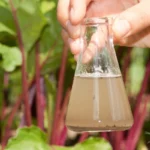
Rusty water is primarily caused by the presence of iron, which can enter the water supply through various pathways. Understanding these pathways is essential for diagnosing and addressing the issue effectively.
Corrosion of Iron Pipes

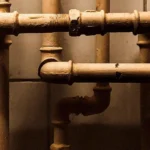
One of the most common causes of rusty water is the corrosion of iron pipes. Over time, iron pipes used in plumbing systems can corrode due to exposure to oxygen and moisture. This corrosion process leads to the release of iron particles into the water, giving it a reddish-brown hue. The corrosion is often exacerbated by the presence of acidic water, which accelerates the degradation of iron pipes.
Sediment Disturbance
Another potential cause of rusty water is the disturbance of sediment within the water distribution system. Sediment naturally accumulates at the bottom of water mains over time. Events such as water main breaks, hydrant flushing, or changes in water flow can disturb this sediment, leading to the temporary appearance of rusty water. Although this is usually a short-term issue, it can be unsettling for those affected.
Natural Iron in Groundwater

In some cases, rusty water is not the result of human activities but a natural occurrence due to high iron concentrations in groundwater. This is particularly common in regions with iron-rich soil and rock formations. When groundwater percolates through these formations, it can dissolve iron minerals, resulting in elevated iron levels in the water supply.
Why Do I Have Rusty Water?
Determining the specific cause of rusty water in your situation requires careful investigation. Here are some steps to help identify the source:
Conduct a Visual Inspection

Begin by visually inspecting your plumbing system. Look for signs of corrosion, such as rust on exposed pipes or fittings. Pay attention to the age and material of your pipes, as older systems with iron or galvanized pipes are more susceptible to corrosion.
Test Your Water
Conducting a water quality test is a critical step in diagnosing rusty water issues. Testing for iron levels, pH, and other parameters can provide valuable insights into the underlying causes. Water testing kits are available for home use, or you can engage a professional laboratory for more comprehensive analysis.
Monitor Water Usage Patterns

Observe whether the rusty water issue is consistent or sporadic. If rusty water appears only during certain times, such as after a period of inactivity or following maintenance work in your area, it may indicate sediment disturbance.
How to Fix Rusty Water
Once the cause of rusty water is identified, appropriate solutions can be implemented to address the problem. Here are some effective strategies: Once the cause of rusty water is identified, appropriate solutions can be implemented to address the problem. Here are some effective strategies: Regular maintenance of plumbing systems is essential, including flushing the pipes and replacing any corroded fixtures. Homeowners may also consider installing a water filtration system to improve water quality. If you’re wondering how to eliminate rusty water, consulting a professional plumber can provide personalized solutions tailored to your specific situation.
Pipe Replacement

If corrosion of iron pipes is the culprit, replacing old pipes with modern materials like copper or PVC can prevent further rust issues. While this solution can be costly, it is a long-term investment in improving water quality and preventing future problems.
Water Filtration Systems
Installing a water filtration system can effectively remove iron particles and other impurities from your water supply. Various types of filters, such as sediment filters, carbon filters, and water softeners, are available to address specific contaminants. Selecting the appropriate system depends on the iron concentration and other water quality parameters.
Regular Maintenance and Flushing
Regular maintenance of your plumbing system can help prevent rusty water issues. Periodic flushing of water mains and household plumbing can remove accumulated sediment and reduce the likelihood of rust. Additionally, maintaining appropriate water pH levels can minimize corrosion in iron pipes.
Addressing Groundwater Iron

For areas with naturally high iron concentrations in groundwater, specialized treatment methods may be necessary. Aeration, oxidation, and ion exchange processes can effectively remove dissolved iron from the water supply. Consulting with a water treatment professional is recommended to determine the most suitable approach for your situation.
Conclusion
Rusty water is a common but manageable issue that can arise from various sources, including pipe corrosion, sediment disturbance, and natural groundwater iron. By understanding the causes and implementing effective solutions, you can maintain water quality standards and ensure the safety and satisfaction of your water supply. Whether you are an environmental science student or a homeowner facing water quality issues, the insights and strategies outlined in this article provide a comprehensive framework for addressing rusty water challenges.
In the pursuit of clean and safe water, knowledge is your most powerful tool. As you apply these solutions, you contribute to the broader goal of environmental stewardship and public health protection. Let us strive together for a future where water quality issues are effectively managed, and communities thrive with access to safe, clean water.
Share this on social media:
Facebook
Twitter
LinkedIn

Related Posts