Drinking Water Quality Affected by Agricultural Runoff
- Published:
- Updated: December 16, 2024
Listen to this article
Summary
Agricultural runoff pollutes our water, harming our health. Here’s why it matters:
- Contaminants: Pesticides, fertilizers, and animal waste carried by runoff pollute drinking water sources.
- Health Risks: Exposure to these contaminants can lead to birth defects, cancer, and other health problems.

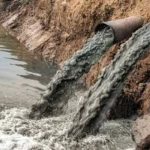
Agricultural runoff is one of the biggest water pollution problems in the world and a concern for both health and the environment. The term agro-runoff comes about when rain or irrigation water runs off crops and carries pesticides, fertilisers and other chemicals with it. This runoff can seriously contaminate the drinking water supply and cause health problems for humans.
What is Agricultural Runoff and How Does it Affect Drinking Water Quality?
Agriculture runoff is the water from farmlands that flows into the local rivers, lakes and surface waters. That water can contain all manner of chemicals, such as pesticides, fertilisers, animal waste and other chemicals. Agricultural runoff can contaminate and compromise drinking water and be dangerous to human health. By way of illustration, pesticides and fertilisers could leak into drinking water through agricultural run-off, polluting and harming human health. What’s more, animal waste can also be loaded with pathogens and other contaminants that can contaminate drinking water and are a public health threat.
The Health Risks Associated with Agricultural Runoff in Drinking Water

Farmers’ run-off can have a range of harmful effects on people who drink their contaminated water. For instance, the chemicals and fertilisers that are used can lead to a number of serious illnesses such as birth defects, cancer and even death. Also, there are pathogens and other toxins in the wastes that can lead to gastrointestinal disease, skin infections and other issues. To safeguard public health, therefore, agricultural run-off must be minimised in its effect on drinking water.
Best Practices for Reducing Agricultural Runoff and Protecting Drinking Water Quality
There are several best practices that can be used to reduce agricultural runoff and protect drinking water quality, including:
- Implementing best management practices: Farmers and agricultural organizations should adopt best management practices to minimize the impact of agricultural runoff on drinking water quality. This can include reducing the use of pesticides and fertilizers, implementing conservation tillage practices, and using cover crops to reduce soil erosion.
- Improving animal waste management: Farmers should implement effective animal waste management practices to minimize the release of harmful substances into the environment. This can include using proper storage and disposal methods for animal waste and avoiding the application of animal waste to land in close proximity to drinking water sources.
- Monitoring and compliance: Governments and industries should implement monitoring and compliance programs to ensure that farmers and agricultural organizations are following best management practices and minimizing the impact of agricultural runoff on drinking water quality.
- Investing in research and development: Governments and industries should invest in research and development to find new and innovative ways to reduce agricultural runoff and protect drinking water quality. This can include the development of new technologies and best management practices to minimize the release of pollutants into the environment.
What are the Roles of Government and Industry in Minimizing Agricultural Runoff?
Governments and industries play a crucial role in minimizing agricultural runoff and protecting drinking water quality. Governments can establish regulations and standards for agricultural runoff management, enforce compliance, and provide funding for research and development. Industries can provide education and training for farmers, support research and development, and implement best management practices in their own operations. By working together, governments and industries can ensure that agricultural runoff is minimized and drinking water quality is protected.
The Importance of Monitoring and Compliance in Agricultural Runoff Management
Effective monitoring and compliance are essential to ensure that agricultural runoff management practices are effective and responsible. Governments and industries should regularly monitor agricultural operations to ensure that best management practices are being followed and that agricultural runoff is not contaminating drinking water supplies. This includes monitoring the quality of drinking water, as well as the levels of pollutants in agricultural runoff. Regular monitoring and enforcement of compliance can help to ensure that farmers and agricultural organizations are taking the necessary steps to minimize the impact of agricultural runoff on drinking water quality.
The Future of Agricultural Runoff and Drinking Water Quality
The future of agricultural runoff and drinking water quality will be shaped by advances in technology, increased regulation and standards, and growing concerns about the impact of agriculture on the environment. Governments and industries will need to work together to adopt new and innovative approaches to minimize agricultural runoff and protect drinking water quality. This will likely include the development of new technologies, the implementation of best management practices, and increased investment in research and development.
How Can Communities Take Action to Protect Their Drinking Water from Agricultural Runoff?
Communities can take several actions to protect their drinking water from agricultural runoff, including:
- Supporting local farmers: Communities can support local farmers by purchasing locally-grown produce and encouraging the adoption of best management practices.
- Educating themselves: Communities can educate themselves about the impact of agricultural runoff on drinking water quality and the steps that can be taken to minimize this impact.
- Advocating for change: Communities can advocate for change at the local, state, and national levels, calling for increased regulation and standards for agricultural runoff management and increased investment in research and development.
- Supporting local organizations: Communities can support local organizations that are working to protect drinking water quality and minimize the impact of agricultural runoff.
What Are the Economic Costs and Benefits of Reducing Agricultural Runoff?
The economic value and cost of reducing agricultural runoff varies from how runoff is reduced, to how much R&D is invested, and whether agricultural runoff is good for drinking water. Overall, agricultural runoff reduction can have economic impacts ranging from reduced health care costs, to improved water quality, to increased income for farmers and communities. But reducing agricultural runoff can come at great costs: the expense of new technologies and best management practices, monitoring and compliance, and R&D. By weighing the pros and cons of agricultural run-off reduction, governments and businesses can make better decisions about how to best reduce it and preserve water quality.
Share this on social media:
Facebook
Twitter
LinkedIn

Related Posts