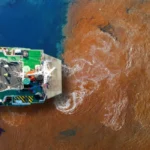
Impact of Agricultural Runoff on Water Quality and Its Analysis
- Published:
- Updated: December 14, 2024
Listen to this article
Summary
Agricultural runoff, carrying pollutants like nitrogen, phosphorus, pesticides, and soil, threatens water quality and ecosystems. Chemical analysis, biological monitoring, and physical examination are used to analyze runoff for contaminants. Conventional agriculture practices often contribute more to runoff than organic practices. Weather conditions, soil health, and livestock management influence runoff. Best practices include conservation tillage, cover crops, and integrated pest management. Regulations like the Clean Water Act and BMPs help mitigate runoff, but community involvement and monitoring are crucial. Agricultural runoff not only harms the environment and health but also has significant economic impacts. Future efforts should focus on sustainable agriculture practices, technological advancements, and public education to protect water quality and resources.

Agriculture is part of our economy, a major source of food for the entire world’s population, but when left to its own devices it can be toxic to water and environment. Landslide runoff – water flowing off farms carrying dirt, fertiliser, pesticides and other pollutants – is one of the biggest sources of water pollution, not just to the quality of water, but to the environment and communities themselves.
Understanding Agricultural Runoff and Its Effects
Rain, irrigation and crops treated with fertilisers and pesticides are all causes of agricultural runoff. The runoff can push dirt, contaminants and other chemicals into local rivers, lakes and groundwater aquifers that can affect both the quality of those waters and the health of surrounding habitat and populations.
The leading agricultural pollutants in agricultural runoff are fertiliser nitrogen and phosphorus, as well as pesticides, herbicides and other farm chemicals. These contaminants kill aquatic organisms, alter the quality of water, and even enter the drinking water supply and cause illness. The runoff can boost the nutrient content of waters, and the algae and other aquatic plants can create even more problems for water quality and aquatic organisms.
Analyzing Agricultural Runoff for Contaminants

If you want to learn about the effects of agricultural runoff on water quality, you have to analyse the runoff for contaminants and pollutants. We can do this by a wide range of means: chemical analyses, biological surveillance, physical examination of the water.
Chemical analysis is the process of testing the water for certain pollutants (such as fertiliser nitrogen and phosphorus), pesticides, etc. That can be achieved in a number of ways, from colorimetric tests to gas chromatography and mass spectrometry. These can inform about the quantity and type of pollutants in the runoff, so that a more complete picture of the effect it has on water quality can be constructed.
Biological monitoring can look at how agricultural run-off affects fish and other aquatic species and can tell us something about the state of the ecosystem and how pollutants affect wildlife. That can mean tracking numbers and types of aquatic animals, as well as evaluating health and reproduction.
In the field, physical inspection of the water can also reveal a lot about the runoff composition and quality, including temperature, viscosity and other physical features. It can be used to spot patterns in the runoff and how it’s affecting the environment and water quality.
Agriculture Practices and Their Impact on Agricultural Runoff
The type of agriculture practices used, such as conventional versus organic, can affect the composition and quantity of agricultural runoff. Conventional agriculture practices often rely heavily on the use of fertilizers and pesticides, which can contribute to higher levels of pollutants in the runoff. In contrast, organic agriculture practices typically use fewer chemicals and focus on more sustainable methods of soil management, resulting in lower levels of pollutants in the runoff.
The impact of agriculture practices on agricultural runoff is not just limited to the use of chemicals. The type of crops grown, the methods used to manage the soil, and the management of livestock operations can also play a role in the generation and impact of agricultural runoff. Crops grown in large monocultures, such as corn and soybeans, can contribute to runoff and water pollution, as these crops can strip the soil of nutrients and leave the soil vulnerable to erosion. The use of cover crops, such as clover or grass, can help to improve soil health and reduce the risk of runoff.
The methods used to manage livestock operations can also impact agricultural runoff. Improper storage and application of manure can result in runoff and water pollution, while proper management practices, such as composting or injecting manure into the soil, can help to reduce the risk of runoff and protect water quality.
Weather and Soil Conditions and Their Impact on Agricultural Runoff
Weather and soil conditions can also play a role in the generation and dispersal of agricultural runoff. Heavy rainfall, for example, can result in increased runoff, as the water is unable to be absorbed by the soil and instead runs off into nearby water sources. Soil conditions, such as soil type and structure, can impact the risk of runoff, with soils that are heavily compacted or lacking in organic matter being more vulnerable to runoff.
Best Management Practices for Reducing Agricultural Runoff
There are a number of best management practices that can be implemented to reduce the impact of agricultural runoff on water quality. These practices are designed to promote sustainable agriculture practices, reduce the use of chemicals, and protect soil and water resources. Some of the best management practices for reducing agricultural runoff include:
- Implementing conservation tillage practices, such as no-till farming, which can help to reduce soil erosion and runoff.
- Using cover crops, such as clover or grass, which can help to reduce soil erosion and improve soil health.
- Implementing integrated pest management practices, which can reduce the need for chemical pesticides and help to protect water quality.
- Implementing sustainable soil management practices, such as adding organic matter to the soil, which can help to improve soil structure and reduce runoff.
- Properly managing livestock operations, including properly storing and applying manure to reduce the risk of runoff and water pollution.
- Planting riparian buffers, which are strips of vegetation along waterways, to help reduce runoff and protect water quality.
Regulations and Policies for Mitigating Agricultural Runoff
There are a variety of regulations and policies in place aimed at mitigating the impact of agricultural runoff on water quality. These include:
- The Clean Water Act, which regulates the discharge of pollutants into waterways and sets standards for water quality.
- The National Pollutant Discharge Elimination System (NPDES), which regulates the discharge of pollutants from point sources, such as agricultural operations.
- Agricultural Best Management Practices (BMPs), which are voluntary programs aimed at reducing the impact of agricultural runoff on water quality.
While these regulations and policies have had some success in reducing the impact of agricultural runoff on water quality, there is still much work to be done to ensure the health and safety of our water resources.
Importance of Monitoring Agricultural Runoff
We need to track agricultural runoff to know what impacts agriculture has on water quality. It is through frequent monitoring that runoff can be seen in those regions that require attention, and managed to reduce it. That might be changing farming, eg to less chemical use, or to best management practices that reduce runoff.
The tools for observing agricultural runoff range from chemical sampling of water, flow and volume monitoring, to remote sensing. This will be the technique depending on what the monitoring programme is trying to achieve and how much money is involved.
The Role of the Community in Monitoring Agricultural Runoff
And there is a local role for agriculture run-off as well. Through regular water testing and monitoring, localities can pinpoint areas where runoff is problematic and coordinate with local authorities to correct it. They might involve calling for agricultural policies to be altered, for regulation and policy to safeguard water quality, and for best management practices to minimize runoff.
Community members can even try to mitigate agricultural runoff with their own actions. They might do that by avoiding applying fertilizers and pesticides in their own gardens, or encouraging local sustainable agriculture.
The Economic Impact of Agricultural Runoff
Runoff from farms is not just detrimental to the environment and human health; it can also be extremely costly. Water infected water can mean a higher cost of water treatment, reduced property values and less tourism revenue. Health hazards of polluted water lead to high medical expenses, lost days of work, and lower productivity.
Improving the performance of agricultural runoff by best management practices and more could have cost-saving consequences. Chemical pesticides could be reduced by farmers and improved water quality could boost property values and tourism.
The Future of Agricultural Runoff and Water Quality
Agriculture’s runoff and water quality are subject to change from a number of different directions — from changes in farming, technological innovation, to public attitudes and policies. While we are still figuring out what agricultural runoff can do, we will continue to monitor and mitigate it to maintain the health and safety of our water supply.
There will also need to be more education about water quality that stays with the public and sustainability in farming to reduce agricultural runoff. Collectively, we can make our cities and our planet a healthier place in the future.
Technological Advancements in Runoff Management
New technologies help to control agricultural runoff. Smart irrigation systems, precision agriculture and sensors can make the most of water and nutrients to prevent run-off. What’s more, the emergence of bioreactors and artificial wetlands brings new options for filtering and treating runoff before it makes its way to the watershed.
Conclusion: Agricultural Runoff Impact Analysis
In short, agriculture runoff is a major health hazard for water quality, ecology and humans. To quantify and minimise its influence takes an integrated mix of high-tech science, sustainable agriculture and public engagement. With collective monitoring, regulation and education, we can save our precious water and a more sustainable agricultural future.
Share this on social media:
Facebook
Twitter
LinkedIn

Related Posts