Water Sources in Louisiana
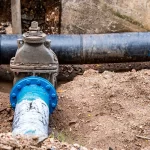
Louisiana’s tap water comes mainly from the Mississippi River and various groundwater aquifers. The water infrastructure in Louisiana ensures clean water access for its residents. Municipal water treatment plants are key in this process.
Mississippi River as the Primary Water Source

The Mississippi River is the main water source for many in Louisiana, like those in New Orleans. The Sewerage and Water Board of New Orleans (SWBNO) operates two treatment plants. One at Carrollton serves the Eastbank, and the other at Algiers serves the Westbank. These plants work hard to treat the river water, ensuring it meets quality standards before distribution.
Groundwater Sources in Louisiana
Louisiana also relies on groundwater, including well water, for its residents. Groundwater is vital in areas with limited surface water access or underdeveloped water infrastructure. These aquifers are monitored and managed to ensure sustainable and quality water supply.
The municipal water treatment process in Louisiana includes coagulation, sedimentation, filtration, and disinfection. These steps remove contaminants, improve taste and odor, and make the water safe for drinking. Regular testing and monitoring are done to maintain high clean water access standards for all Louisiana residents.
Despite the efforts of water treatment facilities, contaminants can be present in Louisiana’s tap water. Recent data from 2021-2023 shows several contaminants, like HAA5, HAA9, and TTHM, were found at levels exceeding health guidelines:
- HAA5 includes five specific chemicals: monochloroacetic acid, dichloroacetic acid, trichloroacetic acid, monobromoacetic acid, and dibromoacetic acid.
- HAA9 expands on HAA5, including additional chemicals such as bromochloroacetic acid, bromodichloroacetic acid, chlorodibromoacetic acid, and tribromoacetic acid.
- TTHM is a group of four contaminants: bromodichloromethane, bromoform, chloroform, and dibromochloromethane.
While many contaminants were tested for but not detected, the presence of these chemicals shows ongoing challenges in maintaining quality tap water. Continuous monitoring, infrastructure improvements, and public awareness are key to ensuring the safety and reliability of Louisiana’s water sources.
Water Treatment Process in Louisiana
In Louisiana, ensuring safe drinking water is a top priority. The Sewerage and Water Board of New Orleans (SWBNO) manages a detailed treatment process. This includes coagulation, sedimentation, chloramine addition, lime treatment, gravity filtration, and thorough water quality testing. The goal is to remove contaminants linked to environmental pollution.
The treatment process starts with several key steps:
Coagulation and Sedimentation

Coagulation adds chemicals to make particles clump together. These clumps, called floc, are heavy and settle at the bottom of tanks. This leaves clearer water at the top for further treatment.
Filtration and Disinfection
The water then passes through layers of sand, gravel, and charcoal. This step removes smaller particles and impurities. Chloramines, a mix of chlorine and ammonia, are added to kill harmful bacteria and viruses. Lime is also used to adjust the water’s pH and prevent corrosion in the system.
Monitoring and Testing
SWBNO closely watches water quality and tests extensively. They check for various contaminants, including:
- Coliform bacteria
- Lead and copper
- Disinfection byproducts (trihalomethanes and haloacetic acids)
- Arsenic
- Nitrates and nitrites
If bacteria levels are too high, SWBNO issues boil water advisories. This ensures public health is protected until the water is safe again. Louisiana’s commitment to water quality testing and treatment helps combat environmental pollution and provides clean drinking water.
Louisiana Tap Water Quality

While Louisiana’s tap water generally meets EPA standards, there have been instances where the drinking water safety has been compromised. In 2022 and 2023, the Sewerage and Water Board of New Orleans (SWBNO) issued boil water advisories due to high bacteria levels and water main breaks. This raised concerns about the louisiana tap water quality.
According to the Louisiana Department of Health’s Safe Drinking Water grading program, several water systems in the state have received poor ratings in recent years. For example, in Concordia Parish, three out of seven water systems failed the 2023 grading program:
- Ferriday received a score of 37 out of 100 points, with deductions for federal and state violations, lack of financial sustainability, operation and maintenance deficiencies, customer complaints, and levels of iron and/or manganese.
- Clayton received a score of 43 out of 100 points, with deductions for federal and state violations, lack of financial sustainability, infrastructure deficiencies, and customer complaints.
- Ridgecrest received a score of 51 out of 100 points, with deductions for federal violations, lack of financial sustainability, and customer complaints.
In contrast, some water systems in Concordia Parish performed well:
- Vidalia received a score of 102 out of 100 points, with only minor deductions for customer complaints.
- Monterey Rural Water System received a score of 99 out of 100 points, with a single point deduction for customer complaints.
- Concordia Waterworks District No. 1 received a score of 90 out of 100 points, with deductions for lack of financial sustainability and customer complaints, but also earned bonus points for having an asset management plan.
The cost to address drinking water safety and infrastructure issues in rural Louisiana is estimated at $4 billion. The U.S. Environmental Protection Agency estimated Louisiana’s drinking water infrastructure needs to exceed $9 billion over the next 20 years. Louisiana has received $300 million from the American Rescue Plan for drinking water systems, and approximately $1 billion in work has been implemented so far. Despite this, many communities face challenges in ensuring safe and reliable tap water for their residents.
Contaminants in Louisiana Tap Water

Louisiana’s tap water is plagued by water contamination and environmental pollution. The Environmental Working Group (EWG) has found several contaminants in New Orleans’ drinking water. These exceed their public health guidelines, raising serious concerns about the water’s safety and quality.
Arsenic Levels in Louisiana Tap Water
Arsenic is a toxic substance that can severely harm health when consumed in large amounts. In New Orleans, arsenic levels are capped at 0.207 parts per billion (ppb). This is 52 times higher than the EWG’s recommended maximum of 0.004 ppb. Though within the EPA’s 10 ppb limit, arsenic in tap water is a significant concern.
Nitrates and Nitrites in Louisiana Tap Water
Nitrates and nitrites are contaminants found in Louisiana’s tap water. New Orleans’ maximum detected level is 1.42 parts per million (ppm). This is 10 times higher than the EWG’s recommended maximum of 0.14 ppm. While below the EPA’s 10 ppm limit, high levels of nitrates and nitrites pose health risks, mainly for infants and pregnant women.
Disinfection Byproducts: Trihalomethanes and Haloacetic Acids
Disinfection byproducts, like trihalomethanes (TTHMs) and haloacetic acids (HAA5 and HAA9), form when chlorine reacts with organic matter. These byproducts have been linked to cancer and other health issues. In New Orleans, the maximum contaminant levels for TTHMs, HAA5, and HAA9 are much higher than the EWG’s recommended maximums:
- TTHMs: 23.1 ppb (154 times higher than EWG recommendation)
- HAA5: 21.1 ppb
- HAA9: 20.9 ppb (348 times higher than EWG recommendation)

The following table summarizes the levels of key contaminants in New Orleans’ tap water compared to EPA and EWG guidelines:
Contaminant | EPA Maximum Allowance | EWG Recommended Maximum | New Orleans Maximum Contaminant Level |
Arsenic | 10 ppb | 0.004 ppb | 0.207 ppb |
Nitrates and Nitrites | 10 ppm | 0.14 ppm | 1.42 ppm |
TTHMs | 80 ppb | 0.15 ppb | 23.1 ppb |
HAA5 | 60 ppb | 0.1 ppb | 21.1 ppb |
HAA9 | No legal limit | 0.06 ppb | 20.9 ppb |
Addressing these contaminants is essential for ensuring the safety of Louisiana’s tap water. It’s critical for protecting public health and mitigating the risks of water contamination and environmental pollution.
Lead Contamination in Louisiana Tap Water
Lead contamination in Louisiana tap water is a pressing concern, affecting residents in older homes. These homes often have lead service lines or plumbing fixtures. As water flows through the system, lead can leach into the water, posing serious health risks. The Environmental Protection Agency (EPA) has set the Maximum Contaminant Level Goal (MCLG) for lead at 0 parts per billion (ppb). This emphasizes that there is no safe level of lead exposure.
In New Orleans, a study by the Water Collaborative found that 88% of tested homes had lead contamination. Eleven homes exceeded the EPA’s previous action level of 15 ppm. Greg Doolittle found his tap water had lead levels of 70 ppm, seven times the EPA’s action level. Adrienne Katner, a researcher, has tested over 400 homes in New Orleans, showing the widespread problem.
Identifying Lead Service Lines
The Sewerage and Water Board of New Orleans (SWBNO) is working to inventory lead service lines. Over 15,000 households have been identified as being serviced by lead pipes. Yet, about 119,000 households have an unknown service line status. The EPA’s Lead and Copper Rule (LCR), enacted in 1991 and revised in 2021, requires water systems to notify customers annually about their service lines until all are identified.
EPA Action Level for Lead | Homes Tested by Water Collaborative | Homes Exceeding EPA Action Level |
15 ppb (previous) | 144 | 11 |
10 ppb (new) | – | – |
Minimizing Lead Exposure
To minimize lead exposure, residents can take several steps:
- Request free lead testing kits from SWBNO to assess lead levels in their tap water
- Use NSF 53-certified water filters to remove lead from drinking water
- Flush pipes for 30 seconds to 2 minutes before using water for cooking or drinking
- Avoid using hot water from the tap for cooking or preparing baby formula
Louisiana has received over $105 million from the Bipartisan Infrastructure Law for drinking water improvements. SWBNO secured $86 million and is applying for an additional $66 million. The EPA’s final Lead and Copper Rule Improvements establish a 10-year timeline starting in 2027 for water systems to replace lead service lines. SWBNO aims to achieve this goal by 2037.
PFAS (Forever Chemicals) in Louisiana Tap Water

PFAS, or perfluoroalkyl and polyfluoroalkyl substances, are synthetic chemicals known as "forever chemicals" due to their persistence. They are found in non-stick cookware, water-resistant clothing, and firefighting foam. The Environmental Protection Agency (EPA) has added PFAS to its list of drinking water contaminants. They propose a limit of 4 parts per trillion (ppt) for PFOA and PFOS, two well-known PFAS compounds.
In Louisiana, the Department of Public Health found PFAS levels up to 2.8 ppt in New Orleans’ treated drinking water. This is below the EPA’s proposed limit but raises health concerns. Exposure to PFAS has been linked to cancer, thyroid disorders, and developmental problems in children.
The EPA has taken steps to regulate PFAS and protect public health. By October 2023, 196 PFAS were added to the Toxics Release Inventory (TRI). This requires manufacturers to report their releases and waste management activities. The EPA also closed a reporting loophole that allowed many manufacturers to evade these requirements.
PFAS Compound | EPA’s Finalized Drinking Water Standard (ppt) |
PFOA | 4 |
PFOS | 4 |
PFNA | 10 |
PFHxS | 10 |
HFPO-DA (GenX) | 10 |
To reduce PFAS exposure, Louisiana residents can use reverse osmosis or activated carbon filters. These methods effectively remove these chemicals. As the EPA strengthens regulations and cleanup efforts, it’s vital for individuals to stay informed about their local water quality. Taking proactive measures is key to protecting their health.
Boil Water Advisories in Louisiana
Louisiana residents often face boil water advisories to safeguard public health when drinking water safety is at risk. The Sewerage and Water Board of New Orleans (SWBNO) issues these advisories when water pressure drops below 20 pounds per square inch (psi) or when contaminants are detected. This raises public health concerns.
On Sunday afternoon, January 25, 2025, a boil water advisory was issued for parts of New Orleans East and Venetian Isles. This was due to a power surge at the Carrollton Water Treatment Plant. Water pressure in the affected areas fell below 20 psi, necessitating the precautionary measure. SWBNO confirmed ongoing water quality testing for the entire East Bank of Orleans Parish. The advisory will remain in effect until clear test results are received, which may take up to 24 hours.
Reasons for Boil Water Advisories

The Louisiana Department of Health (LDH) advises issuing boil water advisories when:
- Water pressure drops below 20 psi, increasing the risk of bacteriological contamination
- Water quality testing detects the presence of harmful contaminants
- Water infrastructure experiences significant damage or malfunctions
Precautions During Boil Water Advisories
During a boil water advisory, residents should take certain precautions to ensure drinking water safety and mitigate public health concerns:
- Use bottled or boiled tap water for drinking, cooking, cleaning food, and brushing teeth until the advisory is lifted
- Boil water for at least one minute before consumption
- Healthy adults should wash hands with bottled or boiled water
- Supervise infants, young children, and disabled persons to prevent water ingestion while bathing
- Residents with open wounds, chronic illnesses, or weakened immune systems should use boiled or bottled water for bathing
SWBNO will notify residents when the boil water advisory is canceled. Until then, customers are advised to flush their internal and external plumbing by running water for several minutes if they had not used their water supply during the advisory. This ensures the safety and quality of their drinking water.
Saltwater Intrusion and Its Impact on Louisiana Tap Water
Louisiana has faced saltwater intrusion for three years, impacting water supply up to 100 miles from the Mississippi River’s southern end. In 2023, Plaquemines Parish’s tap water became undrinkable due to water contamination from saltwater intrusion.
The Army Corps of Engineers spent over $20 million in 2023 to maintain a saltwater sill. Historically, saltwater intrusion happened every 10 years. But recent back-to-back occurrences show a significant increase in frequency. The river’s flow must stay above 300,000 cubic feet per second to prevent saltwater intrusion. Drought conditions, though, lower this rate, allowing saltwater to enter.

Global warming has led to more intense weather, affecting the river’s flow and salinity. Experts say heavy rainfall temporarily raises river levels but doesn’t sustain higher flows. Nearly 1 million people in and around New Orleans face threats from saltwater intrusion. Last year, a massive wedge of saltwater contaminated drinking water in Plaquemines Parish for months.
Parish | Population | Mitigation Measures |
Jefferson Parish | 425,000 | Portable pipeline system to pump freshwater from safer spots upriver |
Plaquemines Parish | 23,000 | Reverse osmosis filtration machines at three water treatment plants |
New Orleans | 370,000 | Proposed 15-mile pipeline to the "Kenner hump," a natural barrier to saltwater |
The U.S. Army Corps of Engineers built sills in the river in 1988, 1999, 2012, 2022, and 2023. New Orleans loses about 70% of its treated water annually due to leaks, theft, and inefficiencies. The cost for a necessary pipeline and pump system for New Orleans is estimated at $150 million to $250 million. The city aims to secure federal funding for 75% of this cost.
As environmental pollution and water contamination persist, Louisiana must invest in infrastructure and innovative solutions. Ensuring safe tap water is essential for the health and well-being of its residents. Addressing saltwater intrusion is critical for maintaining community health across the state.
Public Perception of Louisiana Tap Water
Ensuring drinking water safety and addressing public health concerns in Louisiana is vital. Despite efforts by water treatment facilities and regulatory agencies, a trust gap exists. This gap is between the actual safety of tap water and public confidence in its quality.
A survey of 3,000 travelers showed this trust gap, mainly in New Orleans. The water’s unique taste, due to natural sources and treatment, raises safety doubts. This is true even when the water meets all regulatory standards.
Factors Influencing Public Trust in Tap Water
Several factors affect how people view tap water quality in Louisiana:
- Aesthetic qualities, such as taste, odor, and appearance
- Media coverage of water quality issues and contamination incidents
- Historical events, like the Flint water crisis, which have damaged trust in public water systems
- Lack of awareness about the rigorous testing and treatment processes in place
To close the perception gap, public education and outreach are key. Water utilities and public health agencies must collaborate. They should provide clear, accessible information about tap water sources, treatment, and safety testing.
By educating the public about tap water treatment science and strict regulations, Louisiana can improve trust. This will align public perception with the actual safety of drinking water. It will promote greater trust and confidence in this essential resource.
Improving Louisiana Tap Water Quality
Ensuring access to clean, safe drinking water is a top priority for Louisiana. The state has been working diligently to address the challenges faced by its aging water infrastructure. This is a significant issue, with the estimated cost of addressing these issues in rural areas being a staggering $4 billion. To improve water quality testing and clean water access, Louisiana has implemented several initiatives and invested in infrastructure upgrades and maintenance.
Given the pandemic, Louisiana has received $300 million from the American Rescue Plan for drinking water systems. Approximately $1 billion in work has been implemented by the state. Yet, this is insufficient compared to the total need of $4 billion in rural Louisiana. The Louisiana Department of Environmental Quality (DEQ) has implemented the Drinking Water Protection Program. This program aims to enhance the quality of tap water by focusing on public education, community involvement, and regulatory measures.
Infrastructure Upgrades and Maintenance
Louisiana has been investing heavily in infrastructure upgrades and maintenance to improve tap water quality. In St. Joseph, the state invested $11 million to rebuild the town’s 90-year-old water system. This serves approximately 1,000 residents. The rate increase for residents is a minimum of 45%.
Tallulah, another town facing water quality issues, is currently $7 million short for their water system refurbishment project. The total budget for this project is about $15 million.
Enhanced Monitoring and Transparency
To build trust among residents and ensure clean water access, Louisiana has been focusing on enhanced monitoring and transparency. Regular, detailed water quality reports are being provided to the public. Communication and education efforts have been increased to address concerns and dispel myths about tap water safety.
In 2023, 81% of Louisiana’s population was served by water systems rated "A" or "B." About 14% of the state’s population is served by 115 systems rated "D" or "F." Most of these are in rural areas.
Town/Parish | Population Served | Water System Rating (2022-2023) | Issues Faced |
Tallulah | 6,100 | F | 10 days of virtual school due to inadequate drinking water |
Killian | 1,000 | D | Under boil water advisory; $30,000 per day for trucked-in water |
St. Joseph | 1,000 | N/A | 22% of buildings had lead contamination; $11 million invested to rebuild 90-year-old water system |
Despite the challenges faced, Louisiana remains committed to improving its tap water quality. The state continues to invest in infrastructure upgrades, enhance monitoring and transparency, and work towards addressing the significant funding gaps in rural areas.
Filtered Water and Bottled Water Alternatives
In Louisiana, tap water is generally safe, but concerns about contaminants like arsenic, nitrates, lead, and disinfection byproducts exist. This has led some to seek alternatives. Bottled water is a common choice, often during boil water advisories. For example, in 2023, Jefferson Parish had 4 advisories, while New Orleans faced 11. St. Tammany Parish saw a record 32 advisories in 2024.
Yet, relying on bottled water is costly and harmful to the environment. Home water filtration systems are a more affordable and sustainable option. They ensure drinking water safety and lower the risk of water contamination.
Benefits of Using Home Water Filtration Systems
Home water filtration systems, like activated carbon filters and reverse osmosis systems, can remove a wide range of contaminants. They improve water taste and smell, and offer peace of mind by reducing exposure to harmful substances.
The Aquasential® Smart Reverse Osmosis Drinking Water Filtration System, certified by WQA, can reduce over 90 contaminants. This includes fluoride, mercury, arsenic, and PFAS. It uses less water than traditional RO systems, saving on water and costs.
Choosing the Right Water Filter for Contaminant Removal
When picking a home water filtration system, consider the contaminants in your tap water. Water quality reports from your provider or the Louisiana Department of Health can guide you. These reports highlight substances of concern in your area.
Different filters target different contaminants. Activated carbon filters remove chlorine, disinfection byproducts, and improve taste and odor. Reverse osmosis systems, on the other hand, remove a wider range of contaminants, including dissolved solids and heavy metals.
Investing in a high-quality home water filtration system ensures drinking water safety. It’s a convenient and sustainable alternative to bottled water. These systems reduce water contamination risk and provide clean, great-tasting water, benefiting Louisiana residents’ well-being.
Accessing Water Quality Reports in Louisiana
In Louisiana, it’s vital to know the quality of our tap water. By accessing and understanding local water quality reports, we can make informed decisions about water use at home and work. These reports reveal contaminants in our drinking water and their health risks.
The Louisiana Department of Environmental Quality enforces water regulations and oversees compliance for public water systems. They ensure our tap water meets safety and cleanliness standards. Yet, it’s essential for residents to monitor their water quality actively.
Water quality reports in Louisiana aim to be transparent and informative. They provide detailed information on contaminant levels, sources, and health risks. These reports cover a wide range of contaminants, such as:
- Heavy metals (e.g., Cadmium, Mercury)
- Pesticides (e.g., Atrazine, Chlordane)
- Volatile organic compounds (e.g., Benzene, Styrene)
- Disinfection byproducts (e.g., Total Trihalomethanes, Haloacetic Acids)
- Radiological contaminants (e.g., Radium, Uranium)
Reviewing these reports helps residents understand the contaminants in their tap water. This knowledge allows them to make informed decisions about water quality testing and treatment. For instance, if reports show high levels of PFOS, PFOA, or Total Trihalomethanes, residents might choose to use home water filtration systems to ensure drinking water safety.
Understanding Water Quality Reports
To effectively use water quality reports, it’s key to understand the data. Reports often use technical terms and measurements that might be unfamiliar. With some guidance, anyone can learn to navigate these reports and find the most relevant information.
When reviewing a water quality report, focus on several key elements:
- Contaminant levels: Check the detected levels of each contaminant against health guidelines or regulatory limits.
- Violation status: See if any contaminants exceed allowed limits and if the water system is in violation.
- Health effects: Learn about the health risks associated with each contaminant, focusing on vulnerable groups like children, pregnant women, and the elderly.
- Sources of contamination: Identify the likely sources of each contaminant, such as industrial discharges, agricultural runoff, or naturally occurring minerals.
By understanding these reports, residents can become more involved in ensuring their tap water’s safety and quality. With this knowledge, they can advocate for improvements, support local water treatment efforts, and make informed choices about their water consumption and treatment.
Remember, clean and safe drinking water is a fundamental right. By actively participating in monitoring and understanding our water quality, we can protect this vital resource for ourselves and future generations.
Ensuring Safe and Clean Tap Water in Louisiana
Ensuring safe tap water in Louisiana is a team effort. It involves water utilities, government agencies, and residents. Regular testing is key to spotting and fixing health risks. Even with strict standards, trace contaminants like chlorine and arsenic might be found.
Using filtration systems can reduce risks from tap water. Reverse osmosis systems, for instance, can filter out nearly all contaminants. This improves taste and gives peace of mind. Homeowners should test their water to find the right filter for their area.
Keeping water systems in good shape is also vital. The Safe Drinking Water Act, passed in 1974, sets quality standards. By staying informed and supporting quality improvements, we can ensure clean water for all in Louisiana.
FAQ
What is the primary source of drinking water in New Orleans?
The Mississippi River is the main source of drinking water for New Orleans. The Sewerage and Water Board of New Orleans (SWBNO) operates treatment plants at Carrollton and Algiers. These plants serve residents on the Eastbank and Westbank, respectively.
Does New Orleans tap water meet EPA standards?
New Orleans tap water generally meets EPA standards but may not always be safe. In 2022 and 2024, SWBNO issued boil water advisories due to high bacteria levels and water main breaks. The utility also received violations for failing to monitor disinfection byproduct precursor removal levels and meet total organic carbon reduction requirements.
What contaminants are present in New Orleans drinking water?
The Environmental Working Group (EWG) found 32 contaminants in New Orleans drinking water. Twelve of these exceed EWG public health guidelines. Arsenic levels are 52 times higher than EWG recommendations, while nitrates and nitrites exceed EWG guidelines by 10 times. Disinfection byproducts like trihalomethanes and haloacetic acids are also present in relatively high quantities.
Is there a risk of lead contamination in New Orleans tap water?
Lead can accumulate in tap water, affecting older buildings with lead pipes or plumbing fixtures. SWBNO is working to inventory lead service lines. Homeowners are responsible for replacing private water lines. Residents can request free lead testing kits from SWBNO and use NSF 53-certified water filters to remove lead.
Are forever chemicals (PFAS) present in New Orleans drinking water?
The Louisiana Department of Public Health found PFAS levels as high as 2.8 parts per trillion (ppt) in New Orleans treated drinking water. This may pose health risks. The EPA has recently added PFAS to its list of drinking water contaminants, with a proposed limit of 4 ppt. Reverse osmosis and activated carbon filters can remove PFAS from drinking water.
When does SWBNO issue boil water advisories?
SWBNO issues boil water advisories when water pressure drops below 20 psi or when bacteriological contaminants are detected. During advisories, residents should use bottled or boiled water for drinking, cooking, cleaning food, and brushing teeth. Immunocompromised individuals should also use safe water for handwashing and bathing.
How can residents improve the quality of their tap water?
Residents can use home water filtration systems to reduce or remove contaminants found in New Orleans drinking water. Activated carbon and reverse osmosis filters effectively remove disinfection byproducts and improve water taste and smell. Under-counter water filters are easy to install and may be more cost-effective than bottled water.
How can residents access information about their local water quality?
Residents can access local water quality reports to learn about contaminants present in their tap water. Understanding these reports is essential for making informed decisions about water consumption and treatment. Reports should be transparent and provide detailed information on contaminant levels, sources, and health effects.