Content
Corrosivity
Corrosivity is a measure of the ability of a substance, such as drinking water, to corrode or wear away a material, such as pipes or fixtures. The corrosivity of drinking water can have significant implications for the safety and quality of the water, as well as the integrity and lifespan of the plumbing and distribution systems used to deliver the water to consumers.
Corrosive water can be caused by a variety of factors, including the pH, alkalinity, and hardness of the water, as well as the presence of certain contaminants, such as chlorine and sulfur. Water with a low pH, or high acidity, is more likely to be corrosive. Similarly, water with a high alkalinity, or low acidity, is less likely to be corrosive. Water hardness, which is a measure of the concentration of dissolved minerals, can also affect the corrosivity of the water.
The corrosivity of drinking water can have significant impacts on the safety and quality of the water. Corrosive water can leach lead and other contaminants from pipes and fixtures, leading to elevated levels of these contaminants in the water. This can pose a risk to human health, particularly for vulnerable populations, such as young children and pregnant women.
Definition and Structure
Corrosivity refers to the tendency of a substance, usually a liquid or gas, to cause the degradation or destruction of materials, typically metals, through chemical reactions. This property is influenced by various factors, including the pH level, temperature, concentration of corrosive agents, and the presence of water and oxygen. Corrosive substances, such as acids, bases, and salts, can lead to the breakdown of protective films on metal surfaces, initiating electrochemical processes that result in rust, pitting, and other forms of corrosion. Understanding the structure and behavior of corrosive substances is essential in managing their impact on materials.
Historical Background
The study of corrosivity dates back to ancient times when early civilizations observed the deterioration of metal artifacts. The term "corrosion" itself originates from the Latin word "corrodere," meaning "to gnaw away." The Industrial Revolution brought about a significant increase in the use of metals, highlighting the economic impact of corrosion. Early scientific investigations in the 19th century by researchers like Michael Faraday laid the groundwork for modern corrosion science. Advances in chemistry and electrochemistry in the 20th century furthered the understanding of corrosion mechanisms, leading to the development of more effective corrosion prevention and control techniques.
Chemical Properties
Corrosivity is primarily influenced by the chemical properties of the substance in question. Acids, such as sulfuric acid and hydrochloric acid, are highly corrosive to metals due to their ability to donate protons (H⁺ ions) and disrupt the metal’s surface. Bases, like sodium hydroxide, can also be corrosive, especially to aluminum and zinc, by forming hydroxides that dissolve metal surfaces. Salts, particularly chlorides, are known to accelerate corrosion through the formation of soluble metal chlorides and by breaking down protective oxide layers. Factors like temperature, humidity, and the presence of oxidizing agents also play significant roles in enhancing corrosivity.
Synthesis and Production
Corrosive substances are synthesized and produced through various industrial processes. Acids are commonly produced via chemical reactions involving sulfur, nitrogen, and chlorine compounds. For example, sulfuric acid is manufactured using the contact process, which involves the oxidation of sulfur dioxide to sulfur trioxide, followed by hydration. Bases like sodium hydroxide are produced through the electrolysis of sodium chloride in the chlor-alkali process. Industrial salts, such as sodium chloride and calcium chloride, are often mined or extracted from natural sources like seawater. These substances are essential in numerous industrial applications but require careful handling due to their corrosive nature.
Applications
Corrosive substances have wide-ranging applications across various industries. In the chemical industry, acids and bases are fundamental in processes such as pH adjustment, chemical synthesis, and neutralization reactions. In metallurgy, acids like hydrochloric acid are used for pickling, a process that removes oxide layers from metals before further processing. Corrosive chemicals are also employed in cleaning and maintenance operations to remove rust, scale, and other contaminants from metal surfaces. In water treatment, chlorine-based compounds are used to disinfect and control microbial growth. Additionally, corrosive agents play critical roles in oil refining, food processing, and pharmaceutical manufacturing.
Agricultural Uses
In agriculture, corrosive substances are used in several applications. Acidic fertilizers, such as ammonium sulfate, help lower soil pH and provide essential nutrients for crop growth. Corrosive chemicals like sulfuric acid are used to improve soil conditions by breaking down organic matter and releasing nutrients. Pesticides and herbicides often contain corrosive agents that enhance their efficacy in controlling pests and weeds. Additionally, corrosive substances are employed in cleaning and sanitizing equipment in agricultural facilities, ensuring hygiene and preventing the spread of diseases. However, the use of corrosive chemicals in agriculture requires careful management to prevent damage to equipment and ensure the safety of workers and the environment.
Non-Agricultural Uses
Outside of agriculture, corrosive substances are extensively used in various non-agricultural sectors. In the automotive industry, acids and bases are used in battery production, metal cleaning, and surface preparation. In the electronics industry, corrosive chemicals are essential for etching circuit boards and manufacturing semiconductors. Corrosive agents are also utilized in the textile industry for dyeing and finishing processes. In the construction industry, acids like hydrochloric acid are used to clean and prepare concrete surfaces. Additionally, corrosive chemicals play a critical role in water treatment plants, where they are used to disinfect water and control pH levels.
Health Effects
Exposure to corrosive substances can have significant health effects. Direct contact with skin or eyes can cause severe burns, irritation, and permanent damage. Inhalation of corrosive vapors or aerosols can lead to respiratory distress, coughing, and lung damage. Ingesting corrosive chemicals can cause burns to the mouth, throat, and stomach, leading to severe pain, vomiting, and potentially fatal injuries. Chronic exposure to corrosive substances, even at low levels, can result in long-term health issues, including respiratory problems, skin conditions, and an increased risk of cancer. Proper safety measures, such as wearing protective equipment and following handling guidelines, are essential to mitigate these risks.
Human Health Effects
The impact of corrosive substances on human health depends on the nature of the chemical and the level of exposure. Acute exposure to strong acids and bases can cause immediate tissue damage, leading to chemical burns, blindness, and respiratory failure. Chronic exposure, often occurring in occupational settings, can lead to respiratory diseases, dermatitis, and systemic toxicity. Certain corrosive substances, like chromic acid, are known carcinogens and pose long-term health risks. Safety protocols, including proper ventilation, personal protective equipment, and strict handling procedures, are crucial in preventing harmful exposure and protecting human health.
Environmental Impact
Corrosive substances can have detrimental effects on the environment. Acidic and basic chemicals can alter the pH of soil and water bodies, affecting plant and aquatic life. Acid rain, resulting from industrial emissions of sulfur dioxide and nitrogen oxides, leads to soil acidification and water pollution, harming ecosystems. The release of corrosive chemicals into the environment can also contaminate groundwater and surface water, posing risks to human and animal health. The corrosion of infrastructure, such as pipelines and storage tanks, can lead to leaks and spills, further exacerbating environmental contamination. Effective management and disposal practices are essential to minimize the environmental impact of corrosive substances.
Regulation and Guidelines
Regulations and guidelines for managing corrosive substances are established by various national and international agencies to protect human health and the environment. In the United States, the Environmental Protection Agency (EPA) and the Occupational Safety and Health Administration (OSHA) set standards for the safe handling, storage, and disposal of corrosive chemicals. The European Union has similar regulations under the Registration, Evaluation, Authorization, and Restriction of Chemicals (REACH) framework. These regulations require proper labeling, use of protective equipment, and implementation of safety measures in workplaces. Compliance with these guidelines ensures the safe use of corrosive substances and minimizes the risk of harm.
Controversies and Issues
The use of corrosive substances has been associated with various controversies and issues, particularly concerning their environmental and health impacts. Industrial accidents involving the release of corrosive chemicals have led to significant environmental damage and human health crises. Debates over the adequacy of regulatory measures and the enforcement of safety standards continue to arise, especially in developing countries with less stringent regulations. The disposal of corrosive waste is another contentious issue, as improper handling can lead to long-term environmental contamination. Advocacy for stricter regulations, improved safety protocols, and sustainable alternatives is ongoing to address these concerns.
Treatment Methods
Treating the effects of corrosive substances involves several methods depending on the nature and extent of exposure or contamination. For human exposure, immediate medical attention is required, including thorough rinsing of affected areas with water and administering appropriate medical treatments. In environmental contexts, neutralization techniques are often used to treat contaminated soil and water. For example, adding alkaline substances can neutralize acidic spills, while acidic substances can neutralize basic spills. Physical removal of contaminated material and bioremediation are also employed. In industrial settings, corrosion inhibitors and protective coatings are used to prevent material degradation and extend the lifespan of equipment.
Monitoring and Testing
Monitoring and testing for corrosivity involve various analytical techniques to ensure the safe handling and use of corrosive substances. pH measurement is a basic but essential method for assessing the acidity or alkalinity of a substance. Advanced techniques, such as electrochemical impedance spectroscopy, are used to study corrosion rates and mechanisms. In industrial applications, regular inspection and monitoring of equipment for signs of corrosion are critical to prevent failures. Environmental monitoring includes testing soil and water samples for pH and the presence of corrosive chemicals. These efforts help identify potential risks and implement timely measures to mitigate the effects of corrosivity.
References
- “Corrosivity of Drinking Water: Factors and Implications.” Environmental Protection Agency. https://www.epa.gov/
- “Corrosivity of Water.” World Health Organization. https://www.who.int/
- “Corrosion in Drinking Water Distribution Systems.” American Water Works Association. https://www.awwa.org/
- “Corrosion of Metal Water Distribution Pipes: Causes, Consequences, and Controls.” National Academy of Sciences. https://www.nap.edu/
- “Corrosion and Corrosivity of Drinking Water.” Water Research Foundation. https://www.waterrf.org/
Corrosivity
| Parameter | Details |
|---|---|
| Source | Water chemistry, low pH, high chloride or sulfate levels |
| MCL | No specific MCL, but monitored under the Lead and Copper Rule (US EPA) |
| Health Effects | Release of toxic metals from plumbing, infrastructure damage |
| Detection | pH measurement, alkalinity, Langelier Saturation Index (LSI) |
| Treatment | pH adjustment, corrosion inhibitors, water softening |
| Regulations | US EPA Lead and Copper Rule |
| Monitoring | Regular monitoring, especially in systems with lead or copper plumbing |
| Environmental Impact | Infrastructure degradation, potential contamination of water bodies |
| Prevention | Maintain balanced water chemistry, use of corrosion-resistant materials |
| Case Studies | Flint water crisis, lead contamination incidents |
| Research | Improved corrosion control methods, long-term health studies |
Other Chemicals in Water
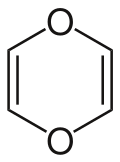
Corrosivity In Drinking Water
| Property | Value |
|---|---|
| Indicator | Corrosivity |
| Measured By | pH, LSI, RSI, chloride/sulfate concentration |
| Typical Range | pH 6.5-8.5, LSI -2 to 2 |
| Associated Risks | Metal leaching, infrastructure damage |
| Prevention | Water treatment, corrosion inhibitors |
| Detection Methods | pH meter, titration methods, corrosion rate testing |
Videos