Conserving the Environment with Clean Water: Benefits and Strategies
- Published:
- Updated: December 16, 2024
Listen to this article
Summary
Clean sea water is essential for marine life, ecosystems, and human well-being. It supports biodiversity, provides food and habitat for aquatic species, and contributes to coastal economies through tourism and fisheries. Protecting and conserving clean sea water is crucial for maintaining ecological balance, supporting marine biodiversity, and sustaining coastal communities. Efforts to reduce pollution, regulate industrial activities, promote sustainable fishing practices, and raise public awareness are essential for ensuring the health and vitality of our oceans and seas.

We live in a world with water being the most precious resource on the planet and for that we can’t exist without it. But it doesn’t get any better, because clean water is getting more and more rare, and many communities worldwide are under water scarcity. This issue is made even worse because the world’s water is so polluted that it can’t be used or drank.
The Importance of Clean Water
There is no human life without healthy water. It also prevents water-borne diseases like cholera, typhoid and dysentery and is a source of hydration. Also, clean water is the lifeblood of farming and industry as it’s the one that watering plants, fuelling factories and creating products.
And we also need clean water for environmental health. It maintains ecosystem stability through the development of plants and animals, and maintains the Earth’s climate by storing and releasing heat and moisture.
What are the Benefits of Clean Water Conservation?

Conserving the environment with clean water can have numerous benefits, including:
- Improved Human Health: Clean water helps to prevent the spread of water-borne diseases, which can lead to improved health and well-being for communities around the world.
- Increased Agricultural Production: Clean water is essential for irrigation, and conserving it can help to increase agricultural production and improve food security.
- Enhanced Economic Growth: By improving water quality, communities can attract new businesses and industries, which can help to spur economic growth and create jobs.
- Better Environmental Stewardship: Clean water helps to maintain the delicate balance of ecosystems, and conserving it can help to protect wildlife and other aquatic species, as well as the plants and animals that rely on them for food and habitat.
- Climate Regulation: Clean water helps to regulate the Earth’s climate by storing and releasing heat and moisture, and conserving it can help to mitigate the effects of climate change.
The Consequences of Contaminated Water
When water is contaminated, it can have serious consequences for human health, the environment, and the economy. For example, contaminated water can cause water-borne diseases, which can spread quickly and cause widespread illness. In addition, contaminated water can also harm wildlife and other aquatic species, as well as the plants and animals that rely on them for food and habitat.
Furthermore, contaminated water can also have a significant impact on the economy, as it can make it more difficult and expensive to produce food, generate energy, and manufacture goods. In some cases, contaminated water can even render entire regions uninhabitable, forcing people to move to other areas in search of clean water.
Strategies for Clean Water Conservation
There are many strategies that can be used to conserve the environment with clean water, including:
- Reducing Water Use: One of the most effective ways to conserve water is to simply use less of it. This can be achieved by installing low-flow toilets, showerheads, and faucets, as well as fixing leaks and using drought-resistant plants in landscaping.
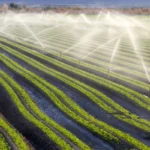
- Improving Agricultural Practices: Agricultural practices can have a significant impact on water quality, and farmers can help to conserve water by using best management practices, such as reducing tillage, planting cover crops, and using precision irrigation.
- Protecting Natural Water Sources: Natural water sources, such as wetlands, streams, and lakes, play a critical role in maintaining the health of the environment and supporting aquatic life. Protecting these areas from development and pollution can help to ensure that clean water is available for future generations.
- Implementing Wastewater Treatment: Wastewater treatment is essential for removing pollutants from water, and investing in modern treatment technologies can help to improve water quality and reduce the risk of water-borne diseases.
- Encouraging Water-Efficient Technologies: Encouraging the development and adoption of water-efficient technologies, such as water recycling and reuse systems, can help to conserve water and reduce the demand for fresh water.
- Promoting Public Awareness: Raising public awareness about the importance of clean water and the consequences of water pollution can help to encourage individuals, businesses, and communities to take action to conserve water.
- Regulating Pollution: Strong regulations are necessary to prevent water pollution and protect the environment. Governments can play a critical role in enforcing water quality standards, monitoring water quality, and holding polluters accountable for their actions.
- Investing in Research and Development: Investing in research and development can help to identify new and innovative solutions to water conservation and improve water quality.
The Benefits of Clean Water for Wildlife and Aquatic Species
Water is the lifeblood of wildlife and aquatic organisms – it offers space, sustenance and mating sites. Many fish, amphibians and other aquatic animals have a need for clean water to survive and are responsible for ecosystem balance. We also need clean water for migratory birds and other animals who rely on wetlands and other aquatic ecosystems for food and shelter. By keeping the waters in our lakes and streams clean, we will preserve these species and keep them as part of our Earth’s biodiversity.
The Role of Community Involvement in Clean Water Conservation
Clean water conservation initiatives cannot work without the engagement of the community – awareness, mobilisation, and support. There are many things that communities can do to conserve water — such as fund local water conservation projects, volunteer activities and lobby for tighter water quality rules. Communities can also cooperate to find and remediate water quality problems, like runoff from farms or industrial emissions. Communities can work collectively to make sure everyone has access to clean, safe water, and they can do a lot to save the natural world for those who come after us.
Share this on social media:
Facebook
Twitter
LinkedIn

Related Posts