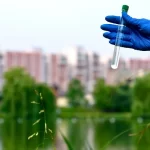
Connection Between Water Quality and Environmental Sustainability
- Published:
- Updated: December 16, 2024
Listen to this article
Summary
Water quality is intricately linked to environmental sustainability, as it directly impacts the health of ecosystems and the availability of water resources. Poor water quality, resulting from factors like pollution and climate change, can lead to biodiversity loss, habitat degradation, and water scarcity, threatening the long-term sustainability of our environment.
To promote environmental sustainability, it is essential to address pressing water quality issues such as agricultural runoff, wastewater discharge, climate change, and plastic pollution. This can be achieved through reducing pollution, protecting aquatic habitats, implementing sustainable practices, and supporting water quality improvement projects.

Water is one of the world’s greatest resources. It is necessary for humans to live, but it is also necessary for the well-being of the world. Quality water is directly linked to sustainability and vice versa.
Impact of Water Quality on Environmental Sustainability
Water quality describes the physical, chemical and biological quality of water. It is influenced by pollutants, temperature, pathogens, etc. With a bad water quality, the environment can be seriously affected: species and habitats will be eliminated, the availability of water is diminished, and water-borne diseases are more likely to occur.
Aquatic ecosystems have everything to do with water quality. Aquatic species are sensitive to water quality, and a species’ departure can have a cascading effect on the ecosystem as a whole. For instance, when populations of fish die, the food web is disrupted and other species decline. And this can in turn cause the loss of biodiversity and ecosystem services like water treatment and flood control.
This also impacts water quality that humans can use. Water that is not in good condition can not only be used for drinking, but also, at times, for agriculture or industry. This could result in water shortages and conflicts over water.
Pressing Water Quality Issues and Their Impact on Environmental Sustainability

The world has many critical water quality concerns today and all these concerns have major environmental impacts. The top water quality challenges are some of the following:
Agricultural runoff: The biggest polluter of water is agricultural runoff. Agricultural fertilisers and pesticides will leach into streams and rivers and damage aquatic organisms and pollute water quality.
Debris pollution: Debris discharge from the plant, wastewater treatment plant and house can pollute water with chemicals, pathogens, etc. This can be catastrophic for the environment, resulting in the depletion of aquatic species and habitats and an increase in water-borne diseases.
Climate change: Climate change is increasing sea level and heat. The effect can be alteration in water quality ranging from increased salinity to the development of harmful algal blooms.
Plastik pollution: Plastik pollution is one of the new issues on the global water supply. Plastic litter can injure aquatic species, pollute water, and erode biodiversity.
Improving Water Quality to Promote Environmental Sustainability
Ensure water quality is good for the environment. Water Quality Enhancement There are several water quality improvements that can be implemented such as:
Mitigating pollution: Pollution is the single most important factor for a healthier water. By utilizing chemicals and pollutants less, and treating wastewater more effectively.
Aqueous ecosystems conservation: This is also an important part of water quality management. This can be achieved through the restoration of damaged habitats, the minimisation of human impacts, and the maintenance of important ecosystem services.
Improve water management: Improved water management is a way to ensure better water quality, too. This can be better water use and allocation, new technologies for storing water, etc.
Role of Government Policies and Regulations
Government policies and regulations play a critical role in maintaining water quality and promoting environmental sustainability. Governments can implement regulations to limit pollution and protect aquatic ecosystems, and they can also provide funding and resources for water quality improvement projects. Some examples of government policies and regulations that help to promote water quality and environmental sustainability include:
- Water pollution control regulations: Governments can enforce regulations to control the discharge of pollutants into waterways. This can help to reduce the impact of human activities on water quality and the environment.
- Aquatic habitat protection laws: Governments can also implement laws to protect aquatic habitats, such as wetlands and estuaries. These habitats are critical for the health of aquatic species and the overall ecosystem, and protecting them is essential for maintaining water quality.
- Climate change policies: Governments can also implement policies to address climate change and its impact on water quality. This can include reducing greenhouse gas emissions, protecting vulnerable coastal communities, and investing in clean energy technologies.
Contributions from Industries and Businesses
Even industries and companies can help in terms of water quality improvement and environmental sustainability. Here are some ways that businesses can be a part of this:
Reduce water use: Businesses can also save water through reducing water use with the use of better technologies and procedures. Such will conserve water and avoid treating and distributing it.
Sustainable practice: Companies too can pursue sustainable practice, namely less chemical use and pollution, less waste generation. It can lower the effects of human activities on water quality and the natural world.
Finance water quality projects: Companies can also finance water quality projects like a water treatment plant or conservation projects.
Impact of Aquatic Ecosystem Health on Water Quality and Environmental Sustainability
The health of aquatic ecosystems is critical for water quality and environmental sustainability. Aquatic species play a crucial role in maintaining the health of these ecosystems, and their decline can have serious consequences for water quality and the environment. For example, the decline of oyster populations can reduce the ability of these species to filter water, leading to increased levels of pollutants and reduced water quality.
The loss of aquatic habitats, such as wetlands and estuaries, can also impact water quality. These habitats provide important ecosystem services, such as water purification, and their loss can have serious consequences for the environment.
Best Practices for Preserving and Restoring Water Quality
Preserving and restoring water quality is essential for promoting environmental sustainability. Some best practices for preserving and restoring water quality include:
- Protecting and restoring aquatic habitats: Protecting and restoring aquatic habitats, such as wetlands and estuaries, is one of the most effective ways to preserve and restore water quality. These habitats provide important ecosystem services and are critical for the health of aquatic species.
- Implementing sustainable practices: Implementing sustainable practices, such as reducing the use of chemicals and pollutants, and reducing waste, can help to preserve and restore water quality.
- Supporting water quality improvement projects: Supporting water quality improvement projects, such as funding water treatment facilities or supporting conservation efforts, can also help to preserve and restore water quality.
The Role of Individuals and Communities
Individuals and communities can also play a significant role in improving water quality and promoting environmental sustainability. Some ways that individuals and communities can contribute include:
- Conserving water: Conserving water is one of the most effective ways that individuals and communities can contribute to improving water quality. This can be done by reducing water usage, fixing leaks, and using more efficient technologies.
- Supporting sustainable practices: Supporting sustainable practices, such as reducing the use of chemicals and pollutants, and reducing waste, can also help to improve water quality.
- Participating in water quality improvement projects: Participating in water quality improvement projects, such as volunteering for cleanup efforts or supporting conservation initiatives, can also play a role in promoting water quality and environmental sustainability.
- Making informed choices: Making informed choices, such as choosing products that are eco-friendly and reducing plastic usage, can also have a positive impact on water quality and the environment.
Importance of Monitoring Water Quality
Monitoring water quality is an essential part of preserving and restoring water resources. Regular monitoring can help to detect changes in water quality, such as the presence of pollutants or changes in temperature, and take appropriate action to address these changes.
There are various methods for monitoring water quality, including chemical analysis, biological analysis, and physical analysis. Chemical analysis involves testing water for specific chemicals, such as nitrogen and phosphorus, which can indicate the presence of pollutants. Biological analysis involves testing water for the presence of aquatic species, such as fish, to assess the health of the ecosystem. Physical analysis involves testing water for factors such as temperature, pH, and conductivity, which can indicate changes in water quality.
By regularly monitoring water quality, we can ensure that water resources are protected and preserved for future generations. This, in turn, will help to promote environmental sustainability and ensure a healthy and sustainable future for our planet.
Importance of Education and Awareness
The education and awareness is also important for a clean water and a green world. We can bring about a change, make sustainable decisions, by educating citizens and groups about water quality and human-environmental impact.
Outreach and awareness campaigns are the best way to reach individuals and populations. These campaigns can be implemented through social media, schools and community organizations, and they could help to educate about water quality and human-induced environmental effects.
Training and workshops can also be used to train citizens and communities in water quality and sustainability. These courses can offer experience and skills (water testing, water conservation), which can be a force of good for change and sustainable action.
We can educate people and communities about water quality and sustainability, so that they are better equipped to make responsible decisions and to help conserve and restore water. That, in turn, will provide for a healthy and sustainable future for the Earth and its people.
The relationship between water quality and sustainability is a multifaceted one. There are multiple ways that people, communities, businesses and governments can make a difference in terms of water quality for the sake of sustainability. Together, we can defend and recover water resources for a healthy and sustainable future for the planet and its inhabitants.
Share this on social media:
Facebook
Twitter
LinkedIn

Related Posts