How Cadmium Gets Into Manhattan's Water Supply
- Published:
- Updated: February 17, 2025
Listen to this article
Summary
This summary explores the concerning presence of cadmium in Manhattan’s water supply.
- Sources of contamination: Industrial activities, aging infrastructure, and improper waste disposal contribute to cadmium entering the water.
- Health risks: Chronic cadmium exposure can harm kidneys, bones, and potentially increase cancer risk, especially for vulnerable populations.
- Manhattan’s response: The city utilizes advanced treatment processes, monitors water quality, and educates residents about cadmium and its dangers.

Clean water in cities matters immensely. And since water is one of the most basic things on earth, its purity plays a vital role in millions’ lives. In a sea of contaminants, cadmium is the most intriguing and troubling player in the water pollutants game.
The Origin of Cadmium: A Brief Overview
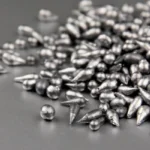
Cadmium is a gentle blue-white metal that occurs in tiny amounts in the Earth’s crust. Mostly in ore with other elements such as zinc, lead or copper. But cadmium concentration in the environment isn’t always a big red flag. It is humanity that’s the real troublemaker. In the decades since, as the sectors have grown, so too has the quantity and use of cadmium – in batteries, plastic stabilizers and certain colour pigments. With this more industrial usage comes the increased danger of contamination.
Manhattan's Water Infrastructure: A Glimpse

Manhattan’s water system is as curious as the city itself. Once dependent on wells and streams locally, by the 19th and 20th centuries the city had been replaced by an extensive network of reservoirs and aqueducts. These reservoirs, mostly outside the city, are the major supply of the metropolis’s water, run by tunnels and pipelines. But as with all city infrastructure, wear and tear are the problem. It’s possible that components of the system, especially older pipes and fixtures, are prone to leaks and contaminants — cadmium for example.
The Journey of Cadmium: Entry Points into Manhattan's Water
The water that falls from the sky is clean, but the pollutants in the atmosphere are attracted to the rain falling. Rain that has high levels of industrialisation can come down as a mixture of chemicals, some containing cadmium. This "contaminated" rainwater can seep into water bodies as runoff once it’s on the ground. The other main culprit is industrial discharge directly. Factory and plant discharge wastewater loaded with heavy metals into streams or wells, and that effluent might then infiltrate the wider water body. Third, dumps and dumping grounds, particularly if they’re not properly treated, leach cadmium and other pollutants that undermine water quality.
Spotlight: Industries Contributing to Cadmium Pollution
Several industries have been identified as major contributors to cadmium pollution:
- Battery manufacturing: Cadmium is commonly used in rechargeable nickel-cadmium batteries.
- Mining and metallurgy: The process of extracting metals from ores can result in cadmium as a by-product.
- Paint and pigment production: Some colors and dyes have cadmium as a component.
The residues and waste from these industries, when not disposed of properly, can release cadmium into the environment, which may eventually end up cadmium in water sources.
Household Sources: The Unnoticed Contributors
Industries are thrown around as suspects but households aren’t totally innocent. Even damaged plumbing systems can put cadmium in the water, especially if they have cadmium-plated fittings. Then there’s also the pollution posed by the recycling of some consumer electronics such as used cell phones and computers. There might be traces of cadmium in those electronics. If dumped in the wrong places, they decay over time, spilling their cadmium back into the earth and, eventually, waterways.
Impact on Public Health: What Does Cadmium Do?
Cadmium isn’t only a health hazard: it’s a poison to water. In large doses, cadmium can cause onset symptoms including stomach pains, vomiting or diarrhoea. But its darker side is recurring. The kidneys, bone marrow, and several cancers are all affected by prolonged exposure to cadmium. Especially susceptible are children, seniors, and those with weakened immune systems. Their bodies might not process and rid themselves of cadmium as effectively, and they are more vulnerable to its poisons. The widespread presence of cadmium in the environment raises critical concerns about cadmium contamination in drinking water. This contamination can occur through industrial runoff, improper waste disposal, and even through the corrosion of metal pipes. Ensuring clean water supply and rigorous testing for heavy metals is essential in protecting vulnerable populations and preventing the long-term health effects associated with cadmium exposure.
Manhattan's Response: Measures in Place
Manhattan, well-aware of the dangers of cadmium and other contaminants, has acted fast. The city uses state-of-the-art water treatment systems that purge pollutants from all sorts of chemicals, such as heavy metals. Monitoring every few days keeps water quality within permissible levels. There’s also a lot of focus on public education, aside from the technical side. Sensitisation campaigns on the effects of cadmium, where it comes from, and how it should be destroyed aspire to reduce the release of cadmium into the world in the first place.
Best Practices: How Other Cities Are Managing Cadmium
Most cities around the world have similar problems. But some have developed new ways to regulate and minimise cadmium contamination. In some European cities, for example, companies have been made more rigorous, required to install sophisticated filtration systems to stop cadmium emission. In some parts of Asia, meanwhile, collective initiatives encourage electronic disposal, cutting down household contributions to the issue. They are both examples of how the cadmium menace can be defeated, and also an inspiration to others that, with collective effort, it can be overcome.
Future Projections: The Road Ahead for Manhattan's Water
These urban and industrial processes mean that water contamination in Manhattan will not be solved. But there’s a bright spot with the new water-cleaning technology. Nanofiltration and bioremediation are two other recent methods that promise to yield a cleaner cadmium. On a policy level, stricter controls on the pollutant sources can further limit cadmium’s migration into the environment. The residents of Manhattan, be informed and eco-conscious is what can go a long way.
Share this on social media:
Facebook
Twitter
LinkedIn
Next Article:

Related Posts