Comparing Saltless and Traditional Water Softeners
- Published:
- Updated: January 15, 2025
Listen to this article
Summary
This article explores the differences between saltless and traditional water softeners, highlighting their functionality, environmental impact, maintenance needs, and water quality effects. Traditional water softeners use ion-exchange to remove hardness minerals, requiring periodic salt replenishment and producing brine waste. In contrast, saltless systems alter the chemical structure of minerals to prevent scale buildup without using salt or generating wastewater.
Key Points:
- Efficiency and Environmental Impact: Traditional softeners are effective but contribute to environmental issues like brine discharge, while saltless systems are more eco-friendly but may not perform as well in extremely hard water.
- Maintenance Costs: Saltless systems require less maintenance, offering long-term savings, while traditional systems incur ongoing costs for salt and servicing.
- Water Quality: Traditional systems may increase sodium levels, which could be a concern for those on low-sodium diets, while saltless systems maintain mineral content but don’t reduce hardness.
In the realm of water quality management, the differentiation between saltless and traditional water softeners is a pivotal consideration for both environmental consultants and homeowners. As water quality is a paramount concern globally, understanding the nuances of these systems is essential for informed decision-making. This article explore the mechanics, advantages, and limitations of both saltless and traditional water softeners, providing a comprehensive guide for anyone involved in environmental science or dealing with water quality issues. The insights offered here will equip readers with the necessary knowledge to choose the right system for their specific needs while considering environmental impacts and efficiency.
Understanding Water Conditioners and Softeners
The Basics of Water Softening
Water softening is a process that involves the removal of calcium, magnesium, and certain other metal cations in hard water. The resultant soft water requires less soap for the same cleaning effort, as soap is not wasted bonding with calcium ions. This not only results in cost savings on cleaning products but also ensures that appliances like dishwashers and washing machines operate more efficiently. Soft water also extends the lifetime of plumbing by reducing or eliminating scale build-up in pipes and fittings, which can lead to costly repairs and replacements if left unaddressed.
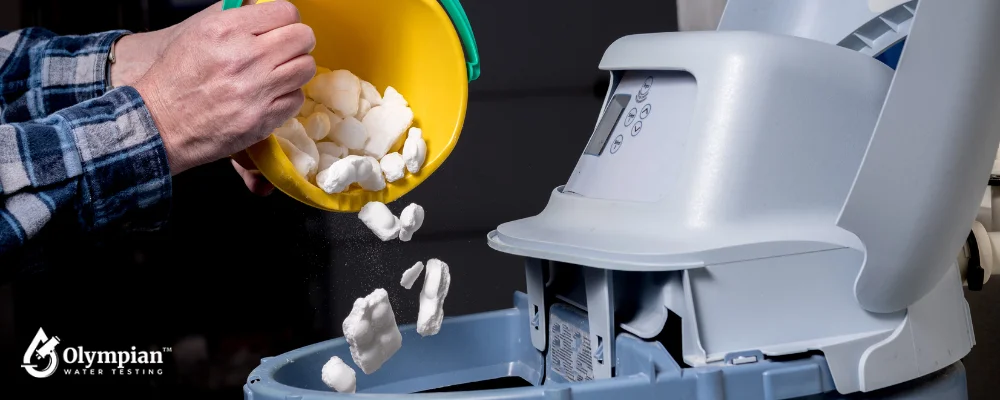
Traditional water softeners typically employ an ion-exchange mechanism where hardness ions are replaced with sodium or potassium ions. This exchange process occurs in a mineral tank filled with resin beads that attract and hold onto calcium and magnesium while releasing sodium or potassium ions. The system requires periodic regeneration, during which a concentrated salt solution flushes the resin beads to recharge their ion-exchange capacity. This mechanism is well-suited for areas with high levels of water hardness, providing a reliable solution to prevent scale formation and improve water quality.
Introduction to Saltless Water Softeners

Saltless water softeners, often referred to as water conditioners, operate using a completely different mechanism. These systems do not remove the hardness minerals from the water. Instead, they alter the chemical structure of the minerals so that they cannot form scale, a process known as Template Assisted Crystallization (TAC). TAC transforms dissolved hardness minerals into microscopic crystals that remain suspended in the water, preventing them from adhering to surfaces and causing scale build-up.
Unlike traditional softeners, saltless systems do not use salt or chemicals for regeneration. They are also favored for their minimal environmental impact, as they do not discharge brine into the wastewater, which can be a significant ecological concern. Furthermore, saltless systems are generally easier to install and maintain, offering a hassle-free solution for homeowners looking to improve their water quality without the recurring costs and environmental considerations associated with traditional softeners.
Comparative Analysis
Efficiency and Environmental Impact
Traditional water softeners are highly effective in removing hardness minerals, making them particularly suitable for areas with extremely hard water. The ion-exchange process ensures a consistent supply of soft water, which can be a necessity in regions where water hardness can damage plumbing and appliances. However, the environmental impact of these systems cannot be overlooked. The discharge of brine can contribute to elevated sodium levels in water bodies, impacting aquatic life and potentially influencing human health by altering the mineral balance in ecosystems.
Saltless water softeners, on the other hand, offer an environmentally friendly alternative. By avoiding the use of salt, they eliminate the need for brine discharge, making them a preferable choice for those concerned with sustainability. However, their effectiveness is often debated, especially in extremely hard water conditions, where they might not perform as well as their traditional counterparts. While they effectively prevent scale build-up, they do not reduce the mineral content of the water, which might not meet the needs of all users.
Maintenance and Operational Costs
Traditional water softeners require regular maintenance, including the replenishment of salt and periodic servicing to ensure optimal operation. This ongoing maintenance can incur significant costs over time, both in terms of purchasing salt and servicing the equipment. The need for regular intervention can also be inconvenient for homeowners who prefer a low-maintenance solution. Conversely, saltless water softeners are virtually maintenance-free. They do not require salt or regular servicing, which can result in lower operational costs and appeal to those seeking a more hands-off approach to water conditioning.
The ease of maintenance with saltless systems can be particularly attractive to busy homeowners or businesses looking to minimize ongoing expenses and operational disruptions. While the initial investment might be comparable to traditional systems, the long-term savings on maintenance and operational costs can be significant. This makes saltless systems an appealing option for those prioritizing cost-effectiveness and environmental responsibility.
Impact on Water Quality
While traditional softeners are highly effective in softening water, they may increase sodium content, which could be a concern for individuals on low-sodium diets. This necessitates the need for additional drinking water testing to ensure compliance with health standards. The increased sodium levels can also affect the taste of water, potentially requiring additional filtration for those sensitive to changes in taste or concerned about dietary sodium intake.
Saltless systems do not add sodium to the water, maintaining a more natural mineral composition. However, because they do not remove hardness minerals, additional testing might be required to confirm the effectiveness of scale prevention, particularly in areas with hard water. Users may need to weigh the benefits of maintaining mineral content against the potential for scale formation, considering personal health preferences and appliance maintenance needs.
Practical Implications and Recommendations
For environmental science students and professionals, understanding the intricacies of these systems is crucial. Here are some practical insights and recommendations:
Evaluating Water Quality Needs
Before choosing a water softening system, conduct comprehensive water testing to determine the hardness level and identify any specific contaminants present. This data will guide the selection of the most appropriate system based on the specific water quality needs and environmental considerations. Testing can also highlight other water quality issues, such as the presence of iron or manganese, which may require additional treatment solutions beyond softening.
Consulting with water quality experts or utilizing home testing kits can provide valuable insights into the specific needs of your water supply. This approach ensures that the chosen system not only addresses hardness but also aligns with broader water quality goals, offering a tailored solution that meets both practical and environmental requirements.
Balancing Efficiency and Environmental Responsibility
When selecting a water softening system, balance efficiency with environmental responsibility. In areas where water hardness is not excessively high, a saltless system could offer a sustainable alternative. However, in regions with extremely hard water, traditional systems might be necessary despite their environmental impact. It’s important to consider the long-term implications of each system on local ecosystems and personal health.
Engaging with local water authorities or environmental groups can provide additional perspectives on the environmental impact of water softening systems in your area. By aligning your choice with community efforts to conserve and protect water resources, you can contribute to broader sustainability goals while addressing your specific water quality needs.
Continuous Monitoring and Testing
Regardless of the system chosen, continuous monitoring and testing of water quality are essential. This ensures that the system remains effective and that the water quality meets health and safety standards. Regular testing can also identify emerging issues, allowing for timely adjustments and ensuring that the system continues to perform optimally over time.
For businesses or homes with regulatory water testing needs, maintaining a log of water quality data can facilitate compliance and streamline reporting processes. This proactive approach not only ensures ongoing system effectiveness but also supports transparency and accountability in water quality management.
Conclusion
The decision between saltless and traditional water softeners is not straightforward and should be informed by a thorough analysis of water quality requirements, environmental considerations, and cost implications. By understanding the operational mechanisms and impacts of these systems, individuals and environmental consultants can make informed choices that align with both practical needs and sustainability goals. The choice of system should reflect a balance between immediate needs and long-term environmental impacts, considering both personal and community health.
In a world where water quality is increasingly scrutinized, equipping oneself with knowledge and understanding of these systems is not merely advantageous but essential. As you navigate these choices, remember that continuous education and adaptation to new technologies and methodologies in water treatment will enhance both your professional practice and the environments you seek to protect. Embracing a holistic approach to water quality management ensures that your choices contribute positively to both individual well-being and the broader ecological landscape.
Share this on social media:
Facebook
Twitter
LinkedIn

Related Posts