Why is it important to test water quality?
- Published:
- Updated: January 17, 2025
Listen to this article
Summary
Water quality testing is crucial for ensuring the safety, health, and sustainability of water resources. Here’s why it matters:
Human Health: Regular testing helps identify harmful contaminants like bacteria, lead, and pesticides, which could lead to serious health risks such as waterborne diseases or long-term illness.
Environmental Protection: Water quality impacts ecosystems, affecting aquatic life and biodiversity. Monitoring water helps maintain balanced ecosystems and prevent ecological damage caused by pollutants.
Industrial and Agricultural Impact: Industries and agriculture rely on clean water. Testing ensures water meets standards necessary for processes and crop irrigation, while also minimizing environmental damage.
Regulatory Compliance: Ensuring water quality meets legal standards is essential for avoiding fines, lawsuits, and ensuring the safety of drinking water in municipal systems.

In the realm of environmental science and public health, the quality of water cannot be overstated. Water is a fundamental necessity for all forms of life, and its purity directly impacts the health of ecosystems and human populations alike. The process of water quality testing is an essential undertaking to ensure that water is safe for consumption and use in various applications. This article delves into the intricacies of water quality testing, shedding light on its importance and the methodologies employed to maintain high standards. Understanding the significance of water quality testing helps us appreciate how it underpins our daily lives and the broader environmental framework.
Water quality affects not just human health but also the health of aquatic life, agriculture, and industry. Polluted water can lead to diseases, disrupt natural habitats, and cause economic losses. Therefore, regular water quality assessments are not just a precautionary measure but an integral part of maintaining a harmonious balance between development and conservation. Through the strategic implementation of water quality testing protocols, societies can avert crises and enhance the overall quality of life.
Understanding Water Quality Testing
Water quality testing involves the analysis of water to determine its physical, chemical, and biological characteristics. This process identifies pollutants and contaminants that may pose a threat to health and the environment. By deploying both sophisticated laboratory analyses and user-friendly water testing kits, professionals can assess the potability and safety of water sources. These assessments are crucial in identifying the root causes of water pollution and developing effective remediation strategies. In addition to identifying contaminants, lab water testing provides detailed insights into the concentrations of various substances, allowing for a comprehensive understanding of water quality. This information is essential for regulatory compliance and informing public health policies. Furthermore, regular testing can help track changes over time, enabling communities to respond proactively to emerging environmental concerns.
The scope of water quality testing extends beyond mere detection of contaminants. It also encompasses understanding the seasonal variations in water quality and predicting future trends based on current data. This predictive capability is essential for planning and resource management, ensuring that both present and future generations have access to clean and safe water. Furthermore, public education on water quality issues can empower communities to engage in more sustainable water use practices.
Methods of Water Quality Testing

The testing of water quality can be conducted through various methods, each serving a specific purpose. These methods are chosen based on the type of water body, the suspected pollutants, and the intended use of the water. A comprehensive approach often involves a combination of different testing methods to provide a holistic understanding of water quality.
Physical Testing
Physical tests measure attributes such as temperature, color, odor, and turbidity. These parameters can indicate the presence of sediments and organic material, which may affect water clarity and quality. The simplicity of physical testing makes it an excellent first step in water quality assessment, often highlighting areas that require more detailed investigation.
Moreover, physical testing can reveal changes in water bodies due to natural events or human activities. For instance, increased turbidity may indicate soil erosion upstream, while unusual odors might suggest contamination from industrial activities. These insights are invaluable for managing water resources sustainably and mitigating potential environmental impacts.
Chemical Testing
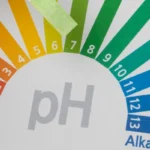
Chemical testing focuses on the identification of both organic and inorganic substances in the water. Key indicators include pH levels, dissolved oxygen, nitrates, phosphates, and the presence of heavy metals. These factors are crucial for determining water safety and identifying pollution sources. Chemical testing helps in detecting both acute and chronic pollution, which could have long-term effects on health and ecosystems.
Advanced chemical testing methods can also assess the presence of emerging contaminants such as pharmaceuticals and personal care products. These substances, often not removed by conventional water treatment processes, can have significant ecological and health implications. By identifying these pollutants early, stakeholders can implement targeted treatment strategies and policy measures to address them.
Biological Testing
Biological testing involves examining water for bacteria, viruses, and protozoa. This is particularly important for detecting pathogens that can cause diseases in humans and animals. Biological testing is critical in evaluating the microbiological safety of water, especially in areas prone to waterborne diseases.
This type of testing also plays a crucial role in assessing the ecological health of water bodies. By studying the biological communities within a water source, scientists can infer the overall health and stability of the ecosystem. Bioindicators, such as certain fish or invertebrate species, can provide early warnings of deteriorating water quality, prompting timely interventions.
Why Testing Water Quality is Crucial
The necessity of regular water quality testing is underscored by several critical factors. Understanding these factors highlights the multifaceted nature of water quality issues and the need for comprehensive monitoring programs.
Ensuring Safe Drinking Water
One of the primary reasons for water quality testing is to ensure that water is safe for human consumption. Contaminants such as lead, arsenic, and pathogens can have severe health implications. Regular testing helps in the early detection of these contaminants, allowing for timely intervention. Ensuring safe drinking water is not just a health issue; it is a basic human right and essential for societal well-being.
The impact of unsafe drinking water can extend beyond immediate health effects, contributing to long-term issues such as developmental problems in children and increased healthcare costs. By maintaining rigorous testing protocols, communities can build resilience against these challenges and promote public health.
Protecting Ecosystems
Aquatic ecosystems rely on specific water quality standards to thrive. Pollutants can disrupt these ecosystems, leading to biodiversity loss and the degradation of habitats. By monitoring water quality, we can protect these environments and maintain ecological balance. Healthy ecosystems provide numerous services, including water filtration, carbon sequestration, and recreational opportunities.
Furthermore, protecting ecosystems through water quality testing supports sustainable development goals by ensuring that natural resources are preserved for future generations. Effective monitoring can help identify pollution sources and inform conservation strategies, fostering a harmonious relationship between human activities and nature.
Regulatory Compliance
Governments and environmental agencies have established water quality standards to protect public health and the environment. Testing is essential to ensure compliance with these regulations, avoiding legal repercussions and ensuring the provision of safe water to communities. Regulatory compliance not only protects individuals but also supports broader environmental and economic objectives.
Non-compliance with water quality standards can result in significant legal and financial penalties, as well as damage to an organization’s reputation. Regular testing and adherence to regulations demonstrate a commitment to environmental stewardship and corporate responsibility, fostering trust among stakeholders.
Industrial and Agricultural Impact
Industries and agriculture are significant contributors to water pollution through the discharge of effluents and runoff. Regular water testing allows for the monitoring of these impacts, promoting the adoption of sustainable practices to mitigate pollution. Industries can use water quality data to optimize processes, reduce waste, and improve efficiency, leading to cost savings and environmental benefits.
Agricultural practices can also be adjusted based on water quality assessments, such as altering fertilizer application rates to reduce nutrient runoff. By integrating water quality testing into industrial and agricultural operations, stakeholders can minimize their ecological footprint and support sustainable resource management.
Tools and Techniques in Water Quality Testing
Advancements in technology have introduced a range of tools and techniques for water quality testing. These innovations have made testing more accurate, efficient, and accessible, enabling a broader application of water quality monitoring across different sectors.
Water Testing Kits
Water testing kits offer a convenient option for preliminary testing. They are user-friendly and can provide immediate results for parameters like pH, chlorine, and hardness. These kits are ideal for individuals and small-scale testing scenarios. Homeowners, schools, and community groups can use these kits to monitor their water sources and take proactive measures if issues are detected.
While testing kits are not as comprehensive as professional services, they play a critical role in raising awareness about water quality issues and empowering individuals to take charge of their water safety. By making testing accessible to more people, these kits foster a culture of vigilance and responsibility regarding water use.
Professional Water Testing
For comprehensive analysis, professional water testing services are employed. These services use advanced laboratory techniques to provide detailed reports on water quality. This is crucial for industries, municipalities, and research institutions requiring precise data. Professional testing offers insights into complex water quality issues that are beyond the scope of basic testing kits.
The data obtained from professional testing can inform policy decisions, support environmental assessments, and guide infrastructure development. By leveraging the expertise of professional services, stakeholders can ensure that their water management strategies are based on accurate and reliable information.
Remote Sensing and Automation
Recent developments in remote sensing and automation have enhanced the scope of water quality monitoring. Sensors and IoT devices can continuously monitor water parameters, providing real-time data that facilitates proactive management of water resources. These technologies enable a shift from reactive to proactive water management, allowing for timely interventions before issues escalate.
Remote sensing and automation also reduce the need for manual sampling, saving time and resources while increasing the frequency and accuracy of data collection. By integrating these technologies into water quality monitoring programs, organizations can enhance their capacity to detect and respond to changes in water quality dynamics.
Challenges in Water Quality Testing
Despite the importance of water quality testing, several challenges persist. Addressing these challenges is crucial for enhancing the efficacy and reach of water quality monitoring programs.
Accessibility and Cost
Access to professional water testing can be limited by cost, especially in low-income regions. Efforts to make testing more affordable and accessible are essential to ensure widespread water safety. Collaboration between governments, NGOs, and the private sector can help subsidize testing costs and expand access to underserved communities.
Innovative financing models and public-private partnerships can also play a role in reducing the financial barriers to testing. By investing in infrastructure and capacity-building initiatives, stakeholders can ensure that all communities have the means to monitor and protect their water resources.
Technological Limitations
While technology has advanced, certain contaminants remain challenging to detect accurately. Continued research and development are necessary to improve detection methods and expand the range of detectable contaminants. Emerging technologies, such as nanotechnology and biosensors, hold promise for overcoming these limitations and enhancing the sensitivity and specificity of water quality tests.
Collaboration between academia, industry, and government can accelerate the development and deployment of these technologies. By fostering a culture of innovation and knowledge sharing, the scientific community can tackle complex water quality challenges and drive progress in the field.
Data Management
The vast amount of data generated through water testing requires efficient management systems. Implementing robust data management solutions is vital for interpreting results and making informed decisions. Advanced data analytics and visualization tools can help stakeholders understand complex datasets and identify trends and anomalies.
Effective data management also involves ensuring data security, integrity, and accessibility. By adopting best practices in data governance, organizations can enhance their ability to leverage water quality data for strategic decision-making and policy development.
Conclusion
Water quality testing is a pivotal component of environmental management and public health protection. By understanding and implementing effective water testing practices, we can safeguard our water resources and ensure the well-being of both ecosystems and human populations. It is imperative that we continue to prioritize water quality testing, leveraging modern tools and methodologies to address the growing challenges and complexities of water management. As stewards of the environment, our commitment to maintaining water quality standards is essential for a sustainable future.
In an era of rapid environmental change and population growth, the importance of water quality testing cannot be understated. By fostering a collaborative approach among scientists, policymakers, and communities, we can build resilient water management systems that support sustainable development and enhance quality of life. The journey towards water security is ongoing, and through continued vigilance and innovation, we can overcome the challenges and seize the opportunities that lie ahead.
Share this on social media:
Facebook
Twitter
LinkedIn

Related Posts