Captivating El Salvador Waters Beauty
- Published:
- Updated: December 14, 2024
Listen to this article
Summary
El Salvador’s lakes and waterfalls offer captivating natural beauty:
- Lake Coatepeque: A mesmerizing crater lake nestled amidst lush mountains.
- Lake Ilopango: Enchants with serene waters and verdant islands.
- Lake Güija: Boasts historical significance and rich biodiversity.

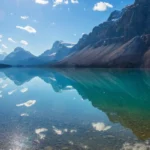
In El Salvador, the “Land of Lakes and Volcanoes,” beautiful lakes make the nation all the more magical. Lake Coatepeque, for example, is a crater lake set against pristine mountains. The blue sea and panoramic view is a perfect respite from urban sprawl.
So does Lake Ilopango, in a volcanic caldera, its emerald waters and the green islands that punctuate them. Lake Güija, meanwhile, is historic and untouched beauty in equal measure, with its diversity and prehistoric petroglyphs. Each of these lakes captures a part of El Salvador’s water magic, and each is something that explorers can experience.
Fascinating Waterfalls of El Salvador
Waterfalls are one of El Salvador’s best natural wonders, and a great place for spectacular sights and adventures. Tamanique Waterfalls – tucked in a forest – plunge into turquoise pools. The hike to these falls is as exciting as the fall itself, which is a hike through tropical forests filled with wild plants and animals.
Another jewel, Chorro de la Calera, just outside Juaya. The falls’ massive torrents make for an amazing natural spectacle and the surrounding town has a coffee culture and delicious food, a pleasant place for the senses.
Beachfront Paradises: El Salvador's Breathtaking Coastline

El Salvador’s coast is a little paradise. El Tunco Beach, with its rock formation, sunsets and the best surfing in the world is famous among surfers all over the world. It has a black sand beach, good nightlife and an atmosphere that is friendly and warm to the community and is a must visit in El Salvador.
In the same way, Costa del Sol beach, with its expanse of white sand, palm trees and crystal clear waters is a heaven for a restful beach vacation. These seascapes show how beautiful El Salvador’s water can be.
The Mystery and Allure of El Salvador's Cenotes
El Salvador’s cenotes, or sinkholes, are one of several water attractions in the country. They are pools deep beneath the earth that have collapsed porous rocks, renowned for their clear waters and their complex ecosystems.
Cenote Alegria is a popular site. It is surrounded by cliffs that are covered in green vegetation and offers an isolated swimming spot in its clear, cool waters. It’s the visit to these mystic cenotes that is the entry point into El Salvador’s geology.
The Mighty Lempa River: El Salvador's Lifeline
The Lempa River, El Salvador’s longest, is of great ecological and economic value. It sweeps the land with its gentle course, its banks a sanctuary for many species of animal and a fertile place for farmlands.
The river cut magnificent scenery along the way, including El Imposible National Park. And that peace of the river and the fact that it provides vitality for so many Salvadorans shows how beautiful and valuable El Salvador’s water really is.
The Enigmatic Montecristo Cloud Forest
The Montecristo Cloud Forest, in the tri-border country of El Salvador, Guatemala and Honduras, shows us how much water keeps ecosystems healthy. The forest, forever surrounded by cool mist, has a zoo of plants and animals, flourishing in the moist nutrient-rich climate.
Deep in the forest and flanked by majestic trees, an unblemished chain of streams and brooks flows its way, replenishing and embellishing the forest.
El Salvador's Marine Life: A Treasure Beneath the Waves
El Salvador’s water has the seductive beauty not just on land, but also on the Pacific Ocean. Its waters are rich with diversity, and it is a marine lover’s paradise. From brightly coloured coral reefs to hundreds of different species of fish, the sea life off the coast of Salvador is a feast for the eyes.
Los Cobanos, a marine park, shows off this underwater riches. Its deep coral reef is a thriving habitat for many marine species, and its snorkelers and divers are sure to have a blast here. This type of biodiversity underscores the unfathomable grandeur of El Salvador’s sea water, and how much this natural heritage deserves conservation.
Responsible Tourism: Preserving the Water Landscapes of El Salvador
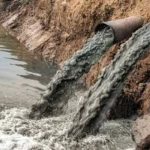
El Salvador’s water, its lakes and rivers, its coastline and oceans, they are simply beautiful. But sustainability of these natural treasures is of the essence, as they are vulnerable to pollution, climate change and over-tourism. This is why ethical tourism helps to protect these landscapes.
Good travel involves, for example:
Recycling of plastic: Visitors can do so by bringing back water bottles, bags and other items.
Respect the local rules: These might apply to if you can swim where you want to swim, interact with the wild, or bring in natural souvenirs like shells and stones.
Local businesses: This makes the tourist dollars go back to the local community, and helps local conservation.
And if we do, then we will leave El Salvador’s awe-inspiring water beauty to the next generation.
Share this on social media:
Facebook
Twitter
LinkedIn

Related Posts