

Understanding the Evolution of Smart Water Metering
Water usage once required routine on-site checks and physical meter reads. Facilities often faced inefficient processes that involved manual data collection. This sometimes led to billing discrepancies and overlooked leaks. As populations grew, there was a pressing need for improved solutions that reduced operational strain.
Innovations in telemetry started to reshape water management. Brands like Neptune introduced digital systems capable of capturing consumption patterns without frequent field visits. Smart Water Metering built on these breakthroughs by merging real-time data analysis with user-friendly platforms. Utilities gained the ability to spot anomalies and act on issues with newfound speed.
Today in the United States, quicker reads and automated alerts help conserve resources while improving customer satisfaction. Modern meter designs make it simpler to integrate billing software. This supports accurate invoicing and transparent communication between utilities and end users.
| Key Development | Impact |
| Remote Monitoring | Reduced labor costs and fewer missed reads |
| Enhanced Data Analytics | Better forecasting and leak detection |
| Digital Integration | Faster billing and real-time usage updates |
Key Benefits of Neptune’s Intelligent Design
Neptune Smart Water Metering – Key Performance Benefits
Key Achievements (Pasadena, TX)
- 80% labor cost reduction
- 60% decrease in water losses
- 95% billing accuracy improvement
- Enhanced customer satisfaction
Improvement Level (%)
Benefit
Improvement
Labor Cost Reduction
80%
Water Loss Prevention
60%
Billing Accuracy
95%
Leak Detection Speed
70%
Customer Satisfaction
85%
Performance Benefits Summary
| Benefit | Improvement (%) |
|---|---|
| Labor Cost Reduction | 80% |
| Water Loss Prevention | 60% |
| Billing Accuracy | 95% |
| Leak Detection Speed | 70% |
| Customer Satisfaction | 85% |
Neptune focuses on efficiency and simplicity in municipal water systems. It employs Automatic meter reading (AMR) to offer continuous insights into water use. This eliminates the need for frequent field visits, allowing for better leak detection and unusual usage monitoring.
This proactive approach enhances resource management and boosts customer satisfaction. It ensures that water resources are used effectively and efficiently.
Reduced Operational Costs
The Neptune R900 System significantly reduces labor costs by minimizing manual meter readings. Utilities adopting this technology often experience immediate cost savings. These savings come from reduced staffing and vehicle expenses.
Field teams can then focus on urgent tasks, improving overall efficiency. This design promotes cost savings while maintaining high service standards.
Streamlined Data Collection
The Neptune R900 System integrates perfectly with the Neptune 360 platform. It consolidates usage data into a single, user-friendly interface. Real-time alerts enable quick responses to abnormal flow issues, reducing waste and billing disputes.
This integrated system strengthens departmental coordination and enhances transparency. It builds trust among both utilities and customers, ensuring reliable data.
Installation and Maintenance Requirements
Neptune’s remote read water meters are designed for simple setup. T-10 models fit neatly into existing systems, reducing the need for major changes. A short retrofit process minimizes downtime and ensures smooth integration once each meter is aligned and leak-tested.
Maintenance runs smoothly when these devices use modular parts. Each component swaps out without disrupting the entire system, which saves time and budget. Many adopters use this flexibility to shift from AMR to Advanced metering infrastructure (AMI) with minimal disruption to daily operations.
Regular checkups and cleaning help discover issues early, preventing large-scale failures. Specialists follow Neptune’s documentation to secure each meter’s accuracy and performance. Proper inspections, when paired with the right setup, lead to longer service life and consistent results that support efficient water management.
Performance Insights of Neptune Remote Read Water Meters
Neptune’s advanced meters have revolutionized resource management in major cities. In Pasadena, Texas, labor costs plummeted by over 80%, and water losses decreased by 60% after adopting these meters. The Indio Water Authority in California used the R900® System with Sedaru® for detailed consumption data. This approach allowed for quicker leak detection, significantly boosting customer satisfaction.
These devices, when paired with Water Usage Analytics, unveil patterns that guide timely maintenance. The City of Bloomington, Illinois, saw a 70% increase in meter readings in one day, leading to immediate revenue gains. A utility in Orange County, California, discovered over $4 million in missing revenue through targeted analytics.
Accuracy in Billing
Precision data logging minimizes the risk of billing disputes. With less manual handling, errors decrease, and trust increases. Reliable consumption tracking motivates customers to use water more efficiently.
Real-Time Monitoring
Alerts are triggered by unusual flow, enabling teams to act quickly on leaks or meter faults. This proactive approach ensures smooth operations and conserves vital resources.
Comparing Neptune to Traditional Water Meters
Utilities are looking for quicker, more adaptable ways to upgrade their water systems. Neptune offers a solution by streamlining Meter Data Collection. This makes it easier for communities to monitor water use and manage resources better.
Coverage and Range
Older meters often require on-site readings, limiting utility staff’s reach. Neptune, on the other hand, uses drive-by and fixed-network transmissions to cover vast areas. This approach provides real-time usage data, reducing the need for manual checks and ensuring no important information is missed.
Ease of Upgrading
Upgrading to new meters can seem daunting. Utilities are concerned about compatibility and costs. Neptune addresses these issues with backward compatibility, allowing for a seamless transition. This approach minimizes downtime and ensures the system can grow as needed.
| Feature | Neptune | Traditional Meters |
| Data Access | Remote or drive-by | Manual reads |
| System Integration | Backward compatible | Limited adaptability |
Environmental Impact and Conservation Benefits
Neptune remote read water meters promote a more mindful use of water. They detect anomalies in consumption by sending regular updates. This alerts utilities and residents to leaks early, preventing them from becoming major issues. Saving water means less need for resource-intensive treatments, reducing our environmental impact.
With Cloud-Based Software, businesses and homeowners can instantly access real-time data. This supports their conservation efforts. Daily water trend updates enable targeted decisions to reduce waste. This approach also cuts down on vehicle emissions by reducing the need for meter inspections.
“Recent findings from the Environmental Protection Agency point to a notable drop in water waste when digital meters and proactive monitoring strategies are combined.”
Examining flow rates can uncover valuable insights, cutting down on unnecessary use in homes and businesses. The use of Cloud-Based Software makes it easier to store and review water data. This continuous feedback loop encourages a culture of sustainability, making it a priority in our daily lives.
Typical Use Cases in Residential Settings
Neptune T-10 Radio Read Meters are designed for various household needs. They help track water usage effectively. This integration simplifies water management and quickly identifies hidden leaks.
Single-Family Homes
In smaller homes, accurate water billing is critical. These meters provide a detailed view of daily water use. This allows homeowners to tackle water waste early and avoid unexpected costs.
Apartment Complexes
In larger buildings, timely data is key. Each apartment gets clear usage reports, reducing billing disputes. This builds trust among tenants. Property managers can then allocate resources more fairly, boosting overall satisfaction.
Neptune T-10 Radio Read Meters fit many property types. They promote proactive water management. Their design ensures reliable performance in both single and multi-unit settings.
Potential Advantages for Commercial Properties
Commercial property managers face unique challenges with large office buildings, hotels, or industrial complexes. The constant influx of tenants, staff, and visitors increases water demand. This calls for a meter that can handle rapid changes efficiently. The Neptune T-10 Meter provides reliable tracking, keeping managers updated on usage spikes.
Access to consolidated data allows property owners to identify high-consumption areas. This makes it easier to detect leaks, reduce waste, and optimize performance. It simplifies the process without the need for manual reads. This approach supports water conservation, aligning with corporate green initiatives.
Neptune T-10 Meter configurations offer remote read capabilities, streamlining billing processes. This eliminates the need for frequent site visits and reliance on estimates. It leads to labor savings and timely alerts, protecting finances and ensuring smooth operations in dynamic commercial environments.
Data Security and Privacy Considerations
Protecting consumer data is essential in today’s metering solutions. Remote read systems ensure secure transmissions, safeguarding information from unauthorized access. Neptune T-10 Radio Read Meters employ advanced methods to maintain confidentiality of water usage data. This builds trust between providers and consumers.
Industry standards advocate for a multi-layered approach, incorporating encryption and regulated network access. Each meter reading is transmitted through a protected channel, preventing spying or interference. This ensures data accuracy and integrity during transit. Strict permissions minimize the risk of errors or unauthorized edits.
Encryption Protocols for Safety
Encryption tools encode information at the source and decode it at the destination, making it hard for intruders to access. Neptune T-10 Radio Read Meters adhere to nationwide guidelines for critical infrastructure. This approach fosters long-term reliability.
User Access Controls
Role-based login systems grant only necessary rights to each user. Administrators manage meter updates, while field teams access consumption details. Access is restricted based on job function, reducing data leak risks. This highlights the importance of privacy for both water providers and consumers.
Compatibility with Existing Infrastructure
Water utilities often look for systems that integrate seamlessly with their current infrastructure. Neptune remote read water meters cater to this need. They are designed to work with both older and newer systems.
These meters seamlessly connect with traditional pipelines while supporting upgrades in data analytics and project management. This approach ensures that legacy systems remain functional, reducing the need for significant budget allocations. It also helps in preserving valuable parts of an organization’s network, avoiding the waste of useful resources.
- Backward compatibility: Legacy meters and pipes retain value.
- Forward compatibility: New software or devices synchronize smoothly.
Neptune remote read water meters protect existing investments and reduce the need for large upfront costs. They enable a gradual transition to more advanced technologies. This method keeps daily operations running smoothly, as connections and data tools require minimal adjustments. By ensuring flexibility and efficiency, these meters adapt well to various environments, simplifying water management.
Customer Feedback and Real-World Reviews
Neptune’s remote read approach resonates with many who value transparent consumption data. People often cite streamlined monitoring and practical cost benefits as top reasons for embracing this solution. Smart Water Metering emerges as a central drive for those seeking better resource management.
Positive Takeaways

The T-10 model receives praise for its solid build and simple installation. It holds a 4.6 out of 5 stars rating on Amazon from 96 reviews, reflecting strong confidence in its lead-free bronze maincase and consistent accuracy at lower flow rates. Households appreciate the proprietary measuring chamber for maintaining long-term precision. This track record supports growing interest in Smart Water Metering.
Constructive Critiques
Some customers note shipping costs and longer waits for firmware releases. A user on the Nano-Reef Community forum experienced a two-week delay when seeking help with the Neptune Apex system, which caused frustration. Such concerns point to the need for timely updates that enhance user satisfaction.
Price Considerations and ROI Analysis
Utilities and property owners often compare upfront costs to long-term gains. This involves hardware upgrades, software integration, and training for staff. Despite initial concerns, the benefits usually outweigh the investment.
Initial Investment Factors
The initial budget is influenced by equipment setup, licensing fees, and compatibility with current systems. Implementing Advanced metering infrastructure (AMI) requires smart devices and reliable networks. Proper planning helps anticipate challenges and prevent disruptions.
Long-Term Savings
Monitoring water flow continuously enables swift action against irregular usage. This reduces manual labor costs and minimizes billing disputes. Adopting modern solutions can recover lost revenue, increasing overall profitability for utility providers.
How to Optimize Meter Reads for Maximum Efficiency
Neptune’s approach to Automatic meter reading (AMR) empowers utility operators to schedule meter read cycles in predictable intervals. This strategy captures vital usage data across multiple endpoints in one run. It reduces manual work and uncovers any consumption issues early.
Bluetooth- and cellular-enabled devices expedite data uploads to centralized management systems. Drive-by and walk-by routes allow crews to collect information in a single pass. This lowers labor costs and prevents errors. Many find that a planned route saves time and ensures consistent coverage.
Adopting targeted tactics strengthens accuracy. These include:
- Mapping consistent paths for streamlined collection
- Setting up alerts for atypical patterns in meter usage
- Investigating flagged readings before problems escalate
For further insights, consult Neptune’s official guide on specialized tools that deliver swift and secure transmissions. Embracing Automatic meter reading (AMR) simplifies oversight. It reveals opportunities to cut overhead and promotes timely action when anomalies appear.
Maintenance Tips for Prolonged Meter Lifespan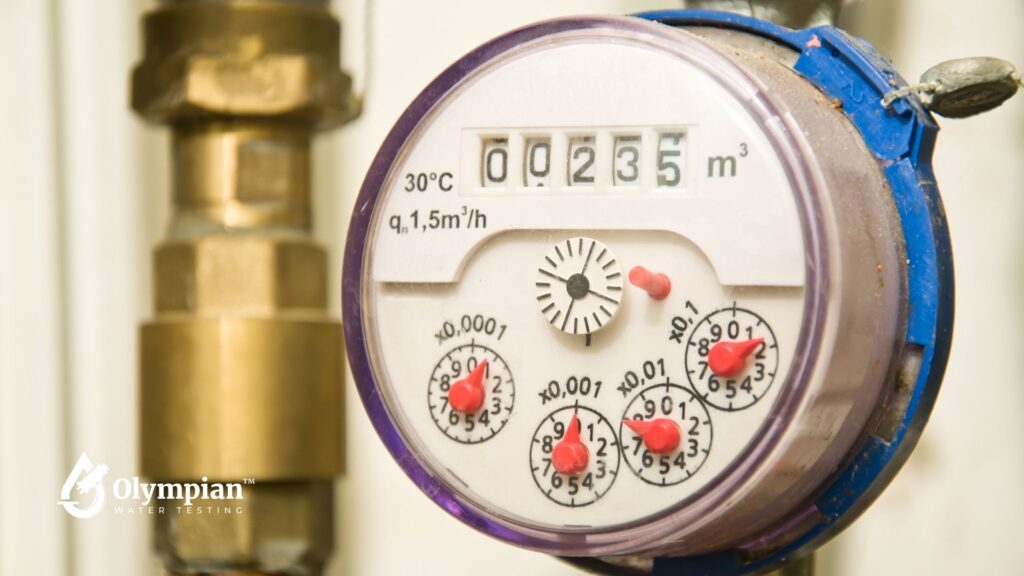
Regular maintenance is key to maintaining the efficiency of advanced metering systems. Cities like Helena, MT, use Neptune water meters. These meters track water usage through solar cells and clear LCD displays. They also send data remotely, thanks to the Neptune R900 System.
Keeping meters free from sediment and checking for leaks are essential. Insulating pipes in cold areas prevents damage and saves water. Calibrating flow meters ensures accurate readings, and regular cleanings prevent debris buildup.
Regular Inspection Schedules
Regular inspections catch small problems early, like signal strength drops or battery issues. Checking physical connections and ensuring seals are tight can prevent leaks. Following manufacturer guidelines protects the meter’s sensitive parts.
Common Troubleshooting Steps
If data transmission fails, check device settings and reset wireless endpoints. Minor discrepancies in usage records might indicate worn parts. Servicing these parts promptly prevents bigger issues. Fixing small problems early keeps meters working well and ensures accurate data.
| Maintenance Task | Brief Explanation |
| Calibration Checks | Ensures meter readings stay accurate. |
| Routine Inspections | Identifies leaks and seal failures quickly. |
| Cleaning Surroundings | Removes debris that can impair readings. |
| Maintaining Proper Flow | Prevents internal damage and protects components. |
| Strong Signal Connectivity | Secures consistent data transmission and monitoring. |
| Software Updates | Addresses bugs and enhances meter features. |
Future Technologies and Smart Water Innovations
Industry leaders are now seeing the immense value of integrated IoT devices and AI-driven analytics in modern water systems. These technologies enhance visibility into consumption and streamline metering processes, leading to increased efficiency. Cloud-Based Software further expands data-sharing capabilities, enabling utilities and property managers to monitor usage in real-time without manual input.
Neptune is at the forefront, developing robust communication networks that connect sensors with predictive maintenance programs. These programs can identify issues before they become major problems. Cloud-Based Software is key in this process, integrating water data with user-friendly dashboards. These dashboards allow decision-makers to analyze trends, conserve resources, and plan for future needs.
| Innovation | Key Advantage | Real-World Impact |
| AI-Driven Insights | Faster Detection of Leaks | Minimized Water Waste |
| Smart Sensors | Continuous Monitoring | Lower Operational Costs |
| Predictive Maintenance | Preemptive Repairs | Longer Equipment Lifespan |
Why These Solutions Deserve Your Attention
Neptune remote read water meters introduce a modern approach to water management. They significantly reduce operating costs and minimize service call frequency. These meters seamlessly integrate into existing systems, providing clear insights into water usage. This leads to smoother operations for municipal leaders.
Property managers and homeowners benefit from quicker leak detection and fewer billing surprises. The integration of these meters into existing structures ensures a seamless transition. This results in more efficient water management.
Water Usage Analytics offer a new perspective on daily water consumption. This data empowers users to make informed decisions based on real-time flow information. It also reduces billing disputes by ensuring accurate meter readings.
For environmental stewards, this technology represents a significant step towards conservation and sustainability. Over time, it shapes a more efficient water system, guided by data-driven governance. Decision-makers seeking advanced performance often turn to technologies that provide actionable metrics.