
Overview of Drinking Water Safety in the Palmetto State
Public water systems cover about 78% of residents, with regular testing to ensure quality. In South Carolina, maintaining safe drinking water is a top priority. Notifications are issued when standards are not met. This protects people from harmful contaminants that could affect health over time.
Regulatory Bodies
The South Carolina Department of Health and Environmental Control, along with the Department of Environmental Services, and federal agencies under the Safe Drinking Water Act, oversee water quality. They monitor for harmful substances like arsenic, atrazine, and microbes. When new contaminants emerge, standards become stricter, pushing facilities to anticipate and mitigate risks.
Common Sources of Water Supply
Communities draw water from lakes, rivers, or wells. Each source requires specific treatment to remove impurities. Testing includes checks for lead and other metals. Ensuring the safety of drinking water in South Carolina relies on continuous evaluation of these sources. This gives residents confidence in the quality of their tap water across the state.
Why Tap Water in South Carolina Matters
In South Carolina, tap water is a staple in daily life, used for cooking, cleaning, and drinking. This reliance on tap water reduces the need for bottled water, benefiting the environment and saving money. It’s a choice that supports sustainability and personal finances.
The Safe Drinking Water Act sets strict guidelines for local utilities. These utilities conduct frequent tests to identify contaminants and report their findings to the public. This focus on safety keeps the topic of water filtration in SC pertinent.
The demand for water filtration in SC grows as people seek extra assurance about their water quality. Some opt for filtration systems to improve taste or remove particles. Balancing the use of tap water with filtration systems enhances community trust and reduces plastic waste in the state’s waterways.
Potential Contaminants and Health Implications
Residents rely on the public water supply in SC for their daily hydration needs. State agencies closely monitor contaminants that could come from industrial runoff or natural sources. Issues arise from outdated pipes and treatment challenges, allowing harmful substances to persist.
Heavy Metals and Chemicals
Arsenic and lead are significant concerns in drinking water. Arsenic exposure can cause skin lesions and increase cancer risk. Lead is highly dangerous for children and pregnant women, linked to developmental issues and lower IQ. The Safe Drinking Water Act sets strict rules for tracking these metals.
Bacterial and Viral Concerns
Contaminants like E. coli and Enterococcus can occur if septic systems fail or runoff contaminates supply lines. These can cause ear and digestive problems. The South Carolina Department of Health and Environmental Control conducts frequent sampling to mitigate outbreaks and safeguard public health.
Chlorination Byproducts
Disinfecting water is essential for controlling pathogens, but it can create byproducts. These substances can harm health if they exceed safe levels. The City of Columbia and other utilities issue Consumer Confidence Reports to detail findings, ensuring trust in the public water supply in SC.
Filtration and Treatment Methods
In South Carolina, community water facilities employ cutting-edge processes to ensure water quality. Operators closely monitor sediment levels, neutralize bacteria, and manage chemicals with precision. This meticulous approach is key to maintaining the water’s integrity.
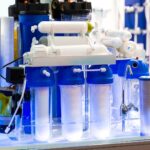
Chlorination or chloramine treatments are used to combat harmful organisms. Activated carbon filters are instrumental in reducing unpleasant odors and chemical residues. Home systems, such as reverse osmosis or softeners, further enhance the taste and safety of the water.
- Mechanical Filtration: Removes larger particles that affect clarity
- Carbon Absorption: Targets odors and organic elements
- Disinfection: Uses chlorine or chloramine to kill germs
The Environmental Protection Agency (EPA) sets the benchmark for water quality standards. Local agencies, including the South Carolina Department of Health and Environmental Control, analyze data and refine these methods. This ensures that water treatment processes are continually optimized.
Adhering to EPA guidelines for water is critical in protecting supplies from emerging contaminants. This proactive approach builds public trust and prepares communities for future challenges. By investing in targeted treatments, South Carolina ensures safe tap water for its residents. It also supports local wildlife habitats by reducing harmful pollutants.
Local Initiatives to Improve Water Quality
In South Carolina, the quest for safe water often begins with community efforts. Residents collaborate with the South Carolina Department of Environmental Services (SCDES) and the U.S. Environmental Protection Agency (EPA). Together, they aim to safeguard water sources by adhering to guidelines for waste disposal and septic maintenance.
Community-Based Programs
These initiatives prompt neighbors to dispose of household chemicals at designated centers and to monitor their septic systems. Neglecting septic upkeep can lead to pollution of local streams. For this reason, regular inspections and pumping every few years are essential. Workshops raise awareness, fostering support for policies that diminish risks, such as Lead in drinking water.
Infrastructure Investments
Local utilities are committed to replacing outdated service lines, aligning with the updated Lead and Copper Rule. This effort aims to reduce Lead in drinking water. Projects focus on high-risk pipes, upgrading distribution systems. The SCDES oversees these efforts to ensure compliance with objectives, boosting water safety and public confidence.
Comparing Bottled Water and Tap Options
Bottled water is a quick fix for those in need of hydration. It’s convenient for on-the-go use, but it comes with environmental drawbacks and increases household expenses.
Tap water is accessible to about 78% of South Carolina residents, provided by public systems under the South Carolina Department of Health and Environmental Control. It meets rigorous standards through frequent testing. Many view tap water as a cost-effective option with less plastic waste.
Private wells cater to around 22% of residents, managed by homeowners. Ensuring water safety requires regular checks and treatment. Annual tests for bacteria or nitrates are advised. For guidance on maintaining well quality, refer to this water-testing resource.
“Clean water is a basic human right.” — The United Nations
- Convenience: Single-use bottles are ready to grab
- Cost: Tap systems often cost less over time
- Testing: Private wells in South Carolina depend on homeowner diligence
Aspect | Bottled Water | Tap Water |
Regulation | Food and Drug Administration | Environmental Protection Agency (via DHEC) |
Environmental Impact | Plastic waste | Minimal packaging |
Maintenance | Purchase and disposal | Municipal or homeowner testing |
How Seasonal Changes Affect Water Taste and Safety
As days warm up, drinking water can subtly change, more so with surface sources. Public utilities alert us to the fluctuating levels of minerals and biological factors that alter tastes.
Temperature Shifts and Algal Blooms
Between late spring and early fall, warmer water encourages blue-green algae growth, or cyanobacteria. The South Carolina Department of Environmental Services (SCDES) closely watches these blooms. They can release toxins harmful to animals and humans.
Geosmin, a compound found in algae, isn’t toxic but can give water a musty taste and smell. The risk of Water contamination in SC increases with more intense algal blooms.
Seasonal Testing and Adjustments
Water utilities intensify monitoring as temperatures fluctuate. They use activated carbon and precise chemical treatments to minimize unpleasant tastes. This ensures public health remains a priority.
The South Carolina Department of Health and Environmental Control (DHEC) advises checking local advisories with the seasons. Regular sampling and quick action prevent foul odors and Water contamination in SC. Being informed helps communities spot early signs and trust their water supply.
Tips for Evaluating Your Home Water Supply
Many residents seek effective methods to assess their home’s water quality. Annual Consumer Confidence Reports (CCRs) provide a detailed overview of contaminants, detection limits, and treatment methods. In South Carolina, public water systems publish these reports by July 1 each year. They are usually mailed or available online. Signs of concern include unusual odors, unexpected color changes, or sudden taste variations.
For those worried about chlorination byproducts in SC, extra testing can be requested from their utility. Homeowners with private wells can contact the South Carolina Department of Environmental Services (SCDES) for testing kits. These kits check for bacteria and metals. Regular testing is essential, more so if there’s an infant at home or if gastrointestinal issues keep recurring. Simple preventive measures can ensure a safe and consistent water supply.
- Review your annual CCR for contaminant levels.
- Contact SCDES for private well testing kits.
- Monitor subtle changes in taste or odor.
Option | Key Steps |
Public Water Systems | Check mailed CCRs or visit utility websites |
Private Wells | Request annual tests from SCDES and watch for strange smells |
Addressing Common Myths About Water in South Carolina
Many residents question if their local water contains hidden dangers. Myths abound about minerals, additives, and purity levels. This brief overview aims to debunk two widespread misconceptions.
Myth Versus Reality on Fluoride
Fluoride is added to many public water systems in the state. Scientists closely monitor fluoride levels to ensure dental health benefits without safety risks. Despite taste differences, regular testing confirms tap water meets fluoride standards. Brands like Dasani offer bottled water, using purification methods similar to tap water filtration.
Misconceptions About Hard Water
Hard water is caused by naturally occurring minerals like calcium and magnesium. State utilities provide guidance on these minerals, aiding in filter choices. Bottled water vs. tap water in SC might suggest bottled water lacks minerals. Yet, many bottled products retain similar mineral levels. Home solutions like water softeners can also alleviate hard water issues.
Common Myth | Fact to Consider |
Tap water is always unclean | Regular testing keeps contaminants below legal limits |
Bottled products exceed tap quality | Some bottled brands use standard filtration similar to tap systems |
What to Do if You Suspect Contamination
Residents noticing sudden changes in water taste or smell should act swiftly. Contacting the local water utility for testing guidance is a first step. Public water systems in South Carolina must notify promptly if they fail to meet primary drinking water standards. This is mandated by state directives and the Safe Drinking Water Act.
DHEC water regulations are vital for public health protection. If contamination is detected, water systems must inform the community through newspapers or water bills. Private well owners, responsible for their own testing, should contact the South Carolina Department of Health and Environmental Control before installing a new well.
These steps ensure compliance with DHEC water regulations and keep households informed. Taking extra precautions until official guidance is received is advisable. Flushing taps, using a certified filter, or securing alternative supplies can alleviate concerns. Quick communication and awareness are key to maintaining water quality and peace of mind.
- Contact local water utility for immediate advice
- Submit samples for testing if in doubt
- Stay updated on any public notification efforts
Moving Forward with Greater Water Confidence
In South Carolina, public water systems adhere to federal and state guidelines under the Safe Drinking Water Act. The Department of Health and Environmental Control (DHEC) conducts regular tests to identify issues promptly. Efforts to replace aging lead service lines enhance safety further. The CDC’s National Environmental Public Health Tracking Network tracks contaminants, ensuring quick responses to any detected risks.
Statewide, infrastructure improvements are underway. The Biden-Harris Administration has allocated over $64 million for drinking water and wastewater upgrades in South Carolina. This funding includes grants and principal forgiveness loans, aiding underserved communities in completing essential projects. The taste of South Carolina water can differ due to mineral content or older plumbing. Yet, the primary focus remains on public safety.
Residents are proactive in staying informed. They review water quality reports, test private wells, and advocate for system upgrades. This collective effort ensures suppliers are held accountable and communities maintain high standards. Together, these actions instill confidence in South Carolinians that their water is safe and ready to support healthy lives.