Understanding Philadelphia’s Water Source
The city’s drinking water comes from two key rivers in Pennsylvania and nearby states. These rivers are essential for daily life. A closer look shows how each river affects Philadelphia’s tap water.
Higher levels of organic material can occur in certain seasons. This might lead to concerns about disinfectant byproducts. Yet, Philadelphia’s water providers closely watch these changes. They take action to keep consumers safe.
The Role of the Delaware and Schuylkill Rivers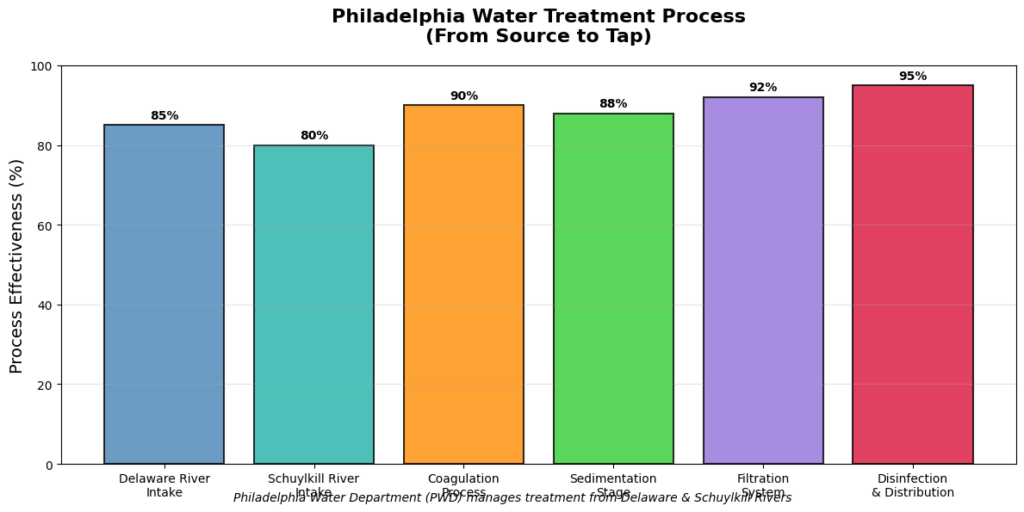
Both rivers pass through diverse landscapes, impacting water quality. Factors like rainfall, agricultural runoff, and urban growth affect tap water in Philadelphia. Experts focus on these elements to safeguard public health.
Water Acquisition Processes
Intakes along the rivers draw water into treatment facilities. The first step is removing large debris and adjusting chemicals for coagulation. This process makes water cleaner, ready for filtration.
Disinfection follows, killing harmful microorganisms. This ensures households have access to safe tap water in Philadelphia.
tap water in Philadelphia: Is It Safe?
Many residents trust tap water in Philadelphia for drinking and cooking. Recent data from the Philadelphia Water Department (PWD) show that health advisory levels remain well within safe limits. Officials conduct frequent checks for contaminants, so even when there are occasional spikes in disinfection byproducts, the readings do not suggest severe hazards.
The city’s monthly and quarterly tests demonstrate that serious risks are unlikely under normal conditions. No steps like boiling or filtering are mandated for regular use. This aligns with guidance found in Philadelphia’s official FAQ, where detailed results confirm compliant standards. Many households stay confident in their daily routines, trusting this monitoring system to keep them informed and protected.
Parameter | Reason for Testing | Schedule |
Disinfection Byproducts | Evaluate treatment processes | Monthly |
General Bacteria | Ensure hygienic water quality | Quarterly |
Common Contaminants in Philadelphia’s Water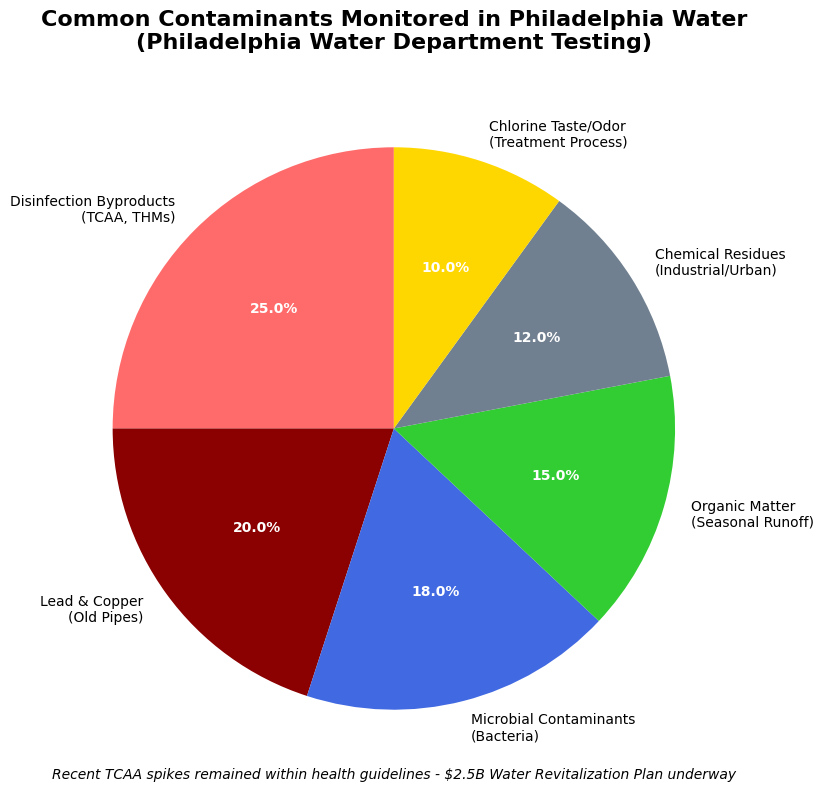
Experts examine the water flowing through Philadelphia’s pipes, both old and new. They focus on heavy metals and byproducts that can alter taste or pose health risks. Monitoring these elements is key to ensuring the safety of tap water in Philadelphia, fostering community trust.
Lead and Copper Concerns
Lead and copper contamination often stems from aging pipes in homes. These metals can seep into the water, mainly when pipes corrode. Simple actions like flushing faucets or updating plumbing can mitigate these risks.
Microbial and Chemical Contaminants
City water may contain bacteria and chemical residues due to storm runoff and industrial activities. Activated carbon filters can remove many of these contaminants, protecting Philadelphia’s tap water. Regular disinfection and testing are essential to safeguard against harmful microorganisms.
Philadelphia’s Recent Assessments
Recent tests revealed slight increases in disinfection byproducts, like Trichloroacetic acid (TCAA), in some areas. These levels, though, remained within health guidelines. Public notices ensure transparency, alerting residents to approaching thresholds and how to act.
Philadelphia’s Water Treatment and Testing Procedures
In Philadelphia, the Water Department uses advanced methods to keep tap water safe. Teams work around the clock to check for changes in chlorine levels and microbial presence. They aim to remove contaminants while ensuring the water tastes good and is safe to drink.
- Coagulation binds small particles to form larger clusters
- Sedimentation settles out these clusters
- Filtration further purifies water before disinfection
- Frequent testing checks for adjustments in chemical doses
The department closely watches for disinfection byproducts. They adjust chlorine levels and powdered activated carbon to control organic substances. This helps prevent byproduct formation, protecting public health across the city. Through consistent sampling and modern techniques, Philadelphia’s tap water remains reliable for daily use.
Best Practices for Home Water Filtration
While municipal systems meet safety standards, some households seek extra confidence when it comes to tap water in Philadelphia. A well-chosen filter can help address lingering taste or odor concerns. Systems vary in complexity, from small countertop units to whole-house setups.
Many residents prefer pitcher filters or under-sink units to reduce common elements like chlorine byproducts. Others opt for a robust brand such as Watts’ Pure H2O Lead Filtration System. This option cuts down on lead, cysts, and unwanted flavors, connecting swiftly without extra faucet installations.
Regular care ensures good performance. Filters should be replaced on schedule to prevent buildup and maintain water quality. Neglecting maintenance can diminish the system’s effectiveness.
This approach adds peace of mind for anyone concerned about tap water in Philadelphia. By combining proper filtration with regular inspections, households can support a steady supply of clear, great-tasting water.
Comparing Bottled Water and Philadelphia’s Tap
Bottled water may contain trace contaminants that some purification methods miss. The issue of packaging waste is becoming increasingly pressing, raising environmental concerns. Many locals opt for tap water in Philadelphia due to its regular testing and lower cost.
City facilities conduct regular checks, ensuring safety from harmful substances. Bottled water can sit on shelves for long periods, raising questions about its freshness. Local authorities provide detailed guidelines, ensuring tap water in Philadelphia meets strict health standards. This gives consumers peace of mind, allowing them to stay hydrated without breaking the bank.
Factor | Bottled Water | Philadelphia’s Tap |
Testing Frequency | Varies by brand | Regular checks by city |
Cost | Higher cost per gallon | Economical for households |
Environmental Impact | Plastic waste concerns | Reduced plastic use |
Regulatory Environment and Standards
In Philadelphia, the quality of tap water is shaped by strict rules. These rules dictate how water is treated and what contaminants are allowed. They are in place to safeguard public health and uphold trust in the city’s tap water.
Federal Regulations
The U.S. Environmental Protection Agency (EPA) establishes health guidelines and maximum contaminant levels for drinking water. Chemicals like vinyl chloride, benzene, and carbon tetrachloride are among those regulated. These measures are designed to prevent severe health issues and ensure utilities adhere to national safety standards.
Local Water Department Guidelines
The Philadelphia Water Department enforces these federal standards through continuous monitoring and testing. This local agency aims to surpass minimum standards for cleaner tap water. It ensures this through regular sampling and transparent reporting, boosting confidence citywide.
Ongoing Improvement Initiatives
The department is implementing a 25-year Water Revitalization Plan with over 400 projects. These include upgrading water mains, modernizing treatment facilities, and introducing cutting-edge technologies. The goal is to fortify the system against storms and aging infrastructure. An estimated $2.5 billion investment is planned to ensure water quality for the long term.
How Weather and Seasonal Changes Affect City Water
Storms can dump more organic matter into rivers, potentially altering tap water’s taste or color in Philadelphia. Despite this, quality checks remain rigorous.
During winter, road salt and brine used to melt ice can flow into waterways. This might change the water’s taste for some, yet health risks are generally minimal.
The Philadelphia Water Department closely watches these changes. They adjust treatment processes as needed. This includes refining filtration and monitoring chemical levels. Such efforts ensure tap water remains safe, while keeping residents informed about seasonal impacts on their water supply.
- Organic material increases after rainy periods
- Salts can alter taste in winter
- Monitoring keeps water quality consistent
Tips for Visitors to Philadelphia
Philadelphia is a city rich in sights and flavors. Many wonder about the safety of tap water in Philadelphia. The city’s water supply meets strict safety standards, ensuring it’s safe to drink straight from the faucet.
For those who love local cuisine, finding water is easy at most restaurants. Some might notice a mild chlorine scent, but this is a sign of cleanliness. Chilling the water or letting it sit for a few minutes often reduces any noticeable fragrance.
Understanding Traveler Expectations
Some tourists arrive expecting bottled water at every turn. Yet, many discover practical ways to enjoy tap water without extra expense. This approach supports local sustainability efforts and reduces plastic waste.
Adapting to Local Water Taste
Filters can make the taste smoother for those who are sensitive. A simple pitcher filter or portable unit fits well in a travel bag. This method allows visitors to try local dishes and stay hydrated throughout their stay.
Tip | Benefit |
Let water sit briefly | Reduces chlorine aroma |
Use a portable filter | Improves taste and clarity |
Chill before drinking | Makes tap water in philadelphia refreshingly cool |
Final Thoughts on Philadelphia’s Drinking Water
Philadelphia’s water supply is a reliable source for both locals and visitors. While some areas experienced temporary spikes in TCAA levels, no immediate health warnings were issued. The Philadelphia Water Department is continually upgrading its treatment facilities to better manage contaminants.
This effort to modernize infrastructure, despite its age, is a testament to the city’s dedication to providing safe tap water. The department’s commitment to public health is evident in its ongoing efforts to improve water quality. This balance between modern science and historical infrastructure is key to ensuring the safety of Philadelphia’s tap water.
Public notices are a vital part of keeping the community informed and involved. This transparency fosters trust and encourages further enhancements. The Water Revitalization Plan is a prime example of the city’s commitment to public health.
Choosing tap water in Philadelphia can also be cost-effective and supports sustainable practices. The city’s protocols for testing and treatment are robust, reflecting its dedication to providing reliable water for all. This commitment ensures that Philadelphia’s water supply remains a trusted resource for its residents and visitors.
FAQ
Is Philadelphia’s tap water safe to drink without boiling?
Yes. The Philadelphia Water Department (PWD) confirms that drinking water meets EPA and DEP standards. Regular testing shows that boiling is usually not needed. This is because contaminants are closely monitored and addressed before water reaches homes.
Where does Philadelphia’s water come from?
Philadelphia gets its water from the Delaware and Schuylkill rivers. Seasonal changes and upstream activities can affect water quality. PWD uses advanced treatment processes to ensure the water is safe to drink.
What are the common contaminants in Philadelphia’s tap water?
Contaminants like lead or copper can come from old plumbing. Natural or runoff-related contaminants may also be present. Recently, higher levels of disinfection byproducts have been found, but they are within safe limits. Public advisories and reports keep residents informed.
How does the city address disinfection byproducts like TCAA?
The Philadelphia Water Department adjusts chlorine levels and uses powdered activated carbon to reduce contaminants. These steps help control the formation of harmful byproducts while maintaining strict standards.
Are home filtration systems necessary in Philadelphia?
While city water is safe, some residents might want extra protection against contaminants like lead. Using certified filters and following maintenance guidelines can improve water taste and quality.
Does weather impact Philadelphia’s drinking water quality?
Yes. Heavy rain can increase organic matter and affect byproduct levels. Road salt in winter can change the taste of tap water. The Water Department monitors these changes and adjusts treatment methods as needed.
How does tap water compare to bottled water in Philadelphia?
Tap water in Philadelphia is tested more frequently and strictly than bottled water. It is often cheaper and better for the environment. Those preferring bottled water should check labels and recycle to reduce waste.
Who regulates and enforces the quality of Philadelphia’s tap water?
The EPA sets limits, and the DEP enforces them in Pennsylvania. The Philadelphia Water Department follows these rules and improves infrastructure. This ensures water safety and ongoing quality improvements.
Why might tap water taste different at certain times?
Seasonal changes and treatment adjustments can cause taste or odor variations. PWD’s monitoring and control measures aim to minimize these differences. Any changes are usually temporary.
Can visitors safely drink Philadelphia’s tap water?
Absolutely. Visitors might notice a chlorine taste or smell. Letting the water sit or using a portable filter can help. PWD’s frequent testing ensures that tourists can stay hydrated without bottled water.