Uncovering the Hazards of Chemicals in Our Drinking Water
- Published:
- Updated: December 16, 2024
Listen to this article
Summary
Water, essential for life, faces contamination by hidden chemicals, impacting health and the environment:
- Hidden chemicals like heavy metals and pesticides leach into water from various sources.
- Industrial waste and household products contribute to water pollution.
- Regular water testing and purification are crucial for safeguarding water quality and health.

Water is the source of life on Earth. But for all its criticality, our water is at risk from hidden chemicals. They are chemicals that can harm people and the natural world.
What are Hidden Chemicals in Our Water Supply?
Hidden chemicals in our water supply: they are substances that can’t be readily seen or detected in the water. These pollutants can be heavy metals, pesticides, drugs and other chemicals that leach into the water through agricultural runoff, sewer sewage and industrial effluent.
These esoteric chemicals can be damaging to health and the environment, ranging from cancer and other risks to wildlife and aquatic organisms.
For instance, pesticides are a big issue with our water, since they can stay in the environment for years and have been implicated in a variety of diseases, including birth defects, reproductive dysfunction and neurological harm. Metals — lead, mercury, and so on — can also make us sick, leading to developmental issues and cancer.
Drugs — both prescription and over-the-counter — are a new target in our water supplies, too, because they can survive in the environment and have been linked to many health problems from hormonal dysregulation to resistance to antibiotics.
How do Hidden Chemicals Get into Our Water Supply?

Chemicals lurk in our water from farm effluent, sewer runoff and industrial discharge. Agriculture effluent, for instance, can be contaminated with pesticides and fertilisers that leach into the water, or sewage discharge can contain pharmaceuticals and other substances that aren’t completely flushed out by treatment.
Then there’s industrial effluent, another major contributor to the secret chemicals in our water supply, because most industrial activities release chemicals into the water that can be toxic to humans and the environment. The chemicals that some industries produce, for instance, are toxic chemicals like heavy metals and solvents that can migrate into the water and damage it for a long time.
Beyond those, undetected chemicals can enter our water supply from household cleaning products and personal care products. They can have chemicals that can live on the surface and make their way into our water supply and harm human health and the environment.
The Importance of Regular Water Testing and Monitoring
We need to have our water tested and monitored often enough to make sure it is safe and clean. We can see signs of problems in the first place, and intervene before they escalate into a more serious problem, by testing for unseen chemicals and contaminants regularly.
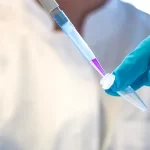
Test water either with a professional lab or using a home test kit. Be sure to select a good laboratory and carefully read the directions to make sure that the test comes back as desired. You can test for contaminants like heavy metals, pesticides and pharmaceuticals, as well as for bacteria and other diseases causing pathogens.
Also, we can regularly monitor our water supply to find patterns and patterns in contamination so we can act early on to prevent any calamities. That could mean adapting agriculture to reduce runoff, modernising wastewater treatment plants to extract contaminants, and putting resources into research and development of new water purification technologies.
The Impacts of Hidden Chemicals on Health and the Environment
The Health and Environmental Effects of Substances That Have Hidden Chemicals?
Secret chemicals can have serious and irreversible effects on health and the environment. The most common consequences are:
Carcinogen and other illnesses: Harmful chemicals lurking in our water supply can lead to cancer and other illnesses, including birth defects, endocrine disorders and neurologic harm. It is especially concerning for children, who are particularly at risk from the harmful chemicals.
Wildlife and aquatic species damage: Infertility damage, birth defects, and death are a few of the many problems caused by hidden chemicals to wildlife and aquatic organisms. That can be a huge issue for our natural ecosystems and the species that depend on them.
Soil and groundwater contamination: Unseen chemicals erode soil and groundwater making the crops impossible to produce and the water supply impoverished. It can affect our diets and the wellbeing of our people.
The Benefits of Water Purification Systems
We can purify water and reduce hidden chemicals in our water supply with water purifiers. These units can neutralize contaminants like heavy metals, pesticides and medications that can make the water safe and clean.
Water Purification System There are water purification systems such as reverse osmosis, activated carbon and UV light systems. Consider installing a system that is compatible with your needs and having it installed and repaired by a professional.
Not only do water filters clean your water, but they can also add a little flavour and aroma to your water, which will make it more enjoyable to drink. They can also help to eliminate illness by flushing the water of bacteria and other pathogens.
The Role of Government and Industry in Protecting Our Water Supply
Our water is being guarded by government and industry from unseen chemicals and other contaminants. They might be controlling chemicals released into the environment, improving wastewater treatment, or investing in research and development of new water filtration technologies.
Industrial sectors can help reduce chemicals entering the water table as well, by being best waste-managing and using fewer chemicals in their production. Those may range from using safer alternatives to noxious chemicals, recycling wastes and effective treatment and disposal methods.
Together, government, business and the people of our country can make sure that our water remains clean and safe for future generations. This means being mindful of how much hidden chemicals we release into the environment, investing in water-filtering systems, and monitoring and testing our water supply to catch issues early, and fix them before they escalate.
Share this on social media:
Facebook
Twitter
LinkedIn

Related Posts