
Common Myths About Bangkok’s Drinking Water
Travelers often hear rumors before arriving in Thailand. Some think Bangkok’s water doesn’t meet modern standards. Others believe every faucet is safe all the time. The truth lies somewhere in between.
Local Varying Water Standards
Areas with new pipes follow stricter rules. But older neighborhoods might have outdated systems. The Bangkok Metropolitan Waterworks Authority sets standards. Yet, maintenance can vary greatly from one place to another.
Perceived Safety vs. Actual Quality
Some locals claim they’re immune to tap water problems. But research shows a gap between their claims and the water’s quality. Myths suggest locals adapt easily, but tests sometimes reveal threats.
Historical Issues and Modern Reforms
Old contamination stories sparked widespread distrust. In response, the city introduced new filters and updated networks. Many feel improvements have been made, yet past accidents are not forgotten. Recent efforts aim to avoid similar mistakes.
How the City Treats Its Water Supply
The Bangkok Metropolitan Waterworks Authority takes a strict approach to protect public health. They use chlorination to combat bacteria and viruses. This method ensures these pathogens are stopped before they can cause harm. Filtration is another key step, removing sediment and particles from raw water. These processes aim to keep the water clean from the source to your home.
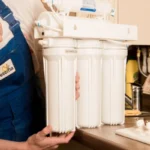
Despite these efforts, some residents remain concerned about leaks, illegal connections, and old pipes. These issues can compromise water quality in specific areas. Many people turn to this resource for information on water filtration. Boiling tap water or using commercial filters are common solutions.
Process | Details |
Chlorination | Introduces disinfectants to eliminate harmful microorganisms |
Filtration | Removes dirt, debris, and suspended solids |
Potential Contaminants in Bangkok Tap Water
City officials strive to ensure Bangkok tap water meets safety standards. Despite their efforts, the climate and urban environment can introduce contaminants. This section focuses on key concerns that may impact daily water consumption.
Chlorine Treatment and Residual Chemicals
Chlorine is used to combat harmful microbes. Yet, excessive levels can remain, affecting taste and posing long-term health risks. Some people detect a strong odor when they turn on the faucet.
Bacterial Overgrowth Concerns
High temperatures accelerate bacterial growth, a problem exacerbated by old or poorly maintained pipes. This creates uncertainty for those seeking a reliable water source.
Heavy Metals and Industrial Pollution
Corroded infrastructure and industrial waste can release metals into tap water. Community groups advocate for regular testing to mitigate health risks associated with prolonged exposure.
Potential Contaminant | Health Concern | Main Source |
Chlorine | Respiratory or Skin Irritation | Disinfectant Additives |
Bacterial Growth | Gastrointestinal Upset | Unmaintained Infrastructure |
Heavy Metals | Organ Damage over Time | Industrial Discharge |
Health Advice for Short-Term Visitors
Short-term visitors often have questions about safe hydration when arriving in Bangkok. Some travelers adapt to local water with ease, yet caution remains wise for those unfamiliar with new environments.
Drinking vs. Brushing Teeth
It’s sensible to rely on bottled or well-filtered sources for drinking. Some individuals feel comfortable rinsing with tap water, but travelers can use bottled water for brushing if they want extra peace of mind.
Risks for Sensitive Individuals
Those with delicate digestion or lowered immunity should be more cautious. Even brief exposure to tap water could trigger stomach troubles, so selecting cleaner fluids helps lessen the risk of unpleasant symptoms.
Using Filtered Water in Hotels
Many Bangkok hotels offer filtration systems or sealed bottles for short-term guests. Verifying the availability of these amenities before booking gives added reassurance. This approach also reduces chances of waterborne illnesses and supports an enjoyable stay.
Bottled Water Alternatives
Travelers often worry about plastic waste in Bangkok. A reusable water bottle with a built-in purifier is a smart choice. It ensures clean hydration without the need for single-use plastics. Brands like LifeStraw and GRAYL offer filters that remove bacteria and impurities, making it safe for on-the-go use.
Refill stations are becoming more common in hotels and shopping centers. These stations use advanced systems to purify water, ensuring it’s safe to drink. While a small fee may apply, the long-term benefits for both visitors and the environment are substantial. Local convenience stores are also starting to offer refill programs, catering to those seeking sustainable options.
For those who care about the environment, combining a durable container with these filtration methods is effective. It significantly reduces the need for disposable bottles, saving space in luggage and money. By embracing new technology and refill solutions, travelers can help protect local ecosystems while staying hydrated.
Is Tap Water in Bangkok Safe for Children?
Parents often seek clarity when traveling or living in a busy city with varied infrastructure. Children tend to drink more fluids and can be at greater risk if water quality is compromised. The Metropolitan Waterworks Authority treats local supplies, yet old or damaged pipes may pose contamination threats.
International Health Guidelines
Organizations such as the Centers for Disease Control and Prevention recommend avoiding tap water in areas with unpredictable safety. In Bangkok, bottled or filtered water may protect young immune systems from possible hazards. The Environmental Working Group further cautions that children are more vulnerable due to higher intake relative to body weight.
Pediatric Recommendations from Local Experts
Doctors in major Thai hospitals advise parents to consider boiling or filtering tap water before giving it to children. This advice aligns with findings published in “Environmental Toxicology and Pharmacology,” where researchers discovered that chlorinated samples could harbor harmful substances. Careful use of purified options reduces the chance of waterborne illness, making daily hydration safer for children in Bangkok.
Environmental Considerations of Bottled Water
Single-use plastic bottles are a major contributor to waste in cities like Bangkok. Many visitors use bottled water for safety, but this habit has ecological drawbacks. Discarded containers fill landfills and strain recycling centers. Local groups and the Bangkok Metropolitan Administration run awareness campaigns to address this issue, but progress is slow.
Activists push for communities, businesses, and officials to reduce plastic use. Those who want to stay hydrated and protect the environment can use refill stations at metro stops or portable filters. This choice cuts down on disposable waste and helps preserve our planet. Some hotels collaborate with eco-organizations to provide refillable bottles and safety guidelines.
- Refill at verified stations in shopping malls
- Carry personal filters for daily use
- Participate in community recycling events
Taking these steps has a tangible effect on waste management. By choosing eco-friendly options, individuals contribute to a cleaner environment for all.
Recognizing Quality Seals on Filtered Water
Travelers often seek reliable filtered water in Bangkok. A quick way to confirm the water’s safety is by looking for official logos from recognized agencies. These seals guarantee that the facility follows standards set by public health authorities.
Government-Certified Water Stations
Many stations display a health emblem from the Department of Health in Thailand. This mark indicates frequent inspections and compliance with hygiene guidelines. Residents and tourists benefit from these verified sources when refilling containers at a lower cost.
Checking Filtration Methods
Well-maintained systems use reverse osmosis, ultraviolet treatments, or activated carbon to remove bacteria, chemicals, and odors. Signs that list these technologies show a focus on efficiency. Good equipment often includes routine maintenance and filter replacements.
Identifying Safe Refill Services
Authentic refill dispensers offer clear labeling with names of installed filters and inspection dates. Some facilities show contact details for inquiries. A visible sticker from a reputable inspection agency is a common indicator that water meets expected standards. Staying alert for these marks helps visitors avoid contamination risks in Bangkok.
Dining Out: Water Safety in Restaurants
Bangkok is renowned for its vibrant culinary scene and bustling street food stalls. Visitors keenly observe safe water practices in local eateries. They rely on short online reviews and direct observations to assess hygiene standards before making a purchase.
Ice Cubes and Their Source
Restaurants frequently use commercial water purification services for their ice. This method significantly reduces contamination risks. In contrast, smaller vendors might use ice from uncertain sources. Guests can inquire about the ice’s origin or choose ice-free drinks if they’re unsure.
Street Food and Hygiene
Bangkok’s street vendors employ quick cooking methods to ensure dishes are hot, which helps combat germs. While handwashing stations are common, some stalls might not adhere to rigorous cleaning protocols. Patrons should look for cleanliness indicators and prefer stalls with a loyal customer base.
Choosing Reputable Establishments
Well-regarded restaurants often display local accolades or Michelin Guide endorsements. A quick assessment involves checking the establishment’s cleanliness, server hygiene, and food temperature consistency. Observing customer feedback or the popularity of a stall can also indicate trusted dining standards.
Travel Insurance and Health Precautions
Travelers often face health risks when they overlook medical coverage. A prospective cohort study observed 217 episodes of acute diarrhea each month per 1,000 travelers in Southeast Asia. Many cases surfaced within the first weeks of arrival. In 2024, over 2,600 leptospirosis incidents and nearly 2,400 melioidosis cases were reported in Thailand. This highlights the dangers of contaminated water.
Many visitors rely on plans like AXA Sawasdee Thailand. It provides medical coverage up to THB 750,000 and accidental death benefits up to THB 1 million. Such policies protect finances during unexpected treatments. Research in Bangkok showed that 31% of travelers’ diarrhea came from Vibrio parahaemolyticus. This stresses the need for preparation.
Practical steps can reduce exposure to harmful bacteria and viruses. Some carry a portable filter bottle, while others avoid uncooked seafood. Extra handwashing efforts can block germ spread, preventing dehydration and digestive issues. Basic precautions ensure peace of mind, allowing for exploration of Bangkok without worry about medical expenses.
Beyond Bangkok: Drinking Water Concerns in Other Parts of Thailand
Travelers often explore Thailand beyond Bangkok, wondering about tap water safety. While some areas have reliable treatment, others face challenges due to local management and limited testing. In many provinces, visitors opt for filtered or packaged water instead.
Rural vs. Urban Infrastructures
Rural areas often have outdated or limited water facilities. This can lead to contamination from farming chemicals and runoff. In contrast, cities usually have modern plants that reduce contamination risks. Yet, maintenance varies by city.
Tourist Hotspots with Filtered Water
Places like Chiang Mai and Phuket typically have advanced filtration systems. High-end resorts and hotels invest in systems that meet strict standards. Travelers who prefer tap water often feel safer in these spots.
Regional Differences in Purification Standards
Each region sets its own water quality standards based on funding and population needs. Coastal towns face issues with seawater intrusion, while mountainous areas deal with seasonal well contamination. This makes locals and visitors cautious about their drinking water choices.
Final Reflections on Enjoying Bangkok Peacefully
Travelers often hear that Bangkok’s tap water meets WHO guidelines under the Metropolitan Waterworks Authority (MWA). Despite this, many are cautious due to aging pipes and a distinct taste. Bottled water from shops like 7-Eleven remains popular. Refill stations run by the MWA also offer a budget-friendly option.
Some guests find it wise to boil tap water for five minutes, which can lower bacterial risks. Others rely on portable filters such as LifeStraw or Sawyer Mini to reduce contamination. These filters suit travelers who prefer fewer plastic bottles and aim for a more eco-friendly stay in Thailand.
Tap water in Bangkok might bring uncertain flavors and questions about sanitation. Yet a blend of tested methods—bottled water, boiled water, filtered water, and clean refill stations—offers clear paths to safe water consumption. Tourists can embrace the city’s cuisine and cultural wonders with refreshed peace of mind, knowing they have made informed decisions for their health and comfort.
FAQ
Is Bangkok’s tap water safe to drink directly?
Bangkok’s tap water is treated at municipal treatment facilities. Yet, the older water distribution network can introduce contaminants like heavy metals or bacterial growth. The Thai Ministry of Health and the World Health Organization state that water should be free from harmful microbes and chemicals. Despite this, many travelers and locals prefer filtered or bottled water to avoid risks.
Does the water in Bangkok have a strong chlorine smell?
Some areas in Bangkok use higher chlorine levels for disinfection, leading to a noticeable chlorine smell. Chlorination helps prevent bacterial contamination. To reduce residual chemicals and improve taste, residents often use water filters like reverse osmosis (RO) systems or activated carbon.
Can visitors brush their teeth with tap water?
Brushing teeth with Bangkok’s tap water is relatively low risk for those with robust dental health and a strong immune system. Yet, individuals prone to stomach issues or traveling with children often use filtered or bottled water. Hotels usually provide safe alternatives, and short-term visitors may prefer caution.
Why do some people call Bangkok’s tap water “hard water”?
Bangkok’s water sources can contain minerals that make the water “hard,” though levels vary across districts. Factors like aluminum piping in older neighborhoods and overall tap water quality play a role. Using a filtration system with UV sterilization or activated carbon can help reduce hardness and contaminants.
Are there environmental concerns around buying bottled water?
Yes. Bottled water is convenient but raises waste management and pollution issues in Bangkok’s densely populated areas. Environmental activism is growing, promoting single-use alternatives like refill stations and portable filter bottles. These options help travelers stay hydrated without adding to plastic waste.
How much does bottled water cost in Bangkok?
A: Bottled water costs vary but are generally inexpensive in convenience stores and supermarkets. Frequent purchases can add up over a longer stay. Many visitors opt for refillable water containers or community-led initiatives for affordable purified water, cutting down on spending and plastic usage.
Are there safe water options near street food stalls?
Most established food stalls rely on commercial ice and do not typically offer free tap water for drinking. Travelers concerned about tap water quality can bring their own reusable bottles, often filled at refill stations with verified filtration methods. Observing hygiene standards and choosing well-reviewed vendors is recommended for overall food and drink safety.
Do families with children need special precautions if staying longer in Bangkok?
Children are more vulnerable to bacterial contamination and chemical exposure. Pediatric recommendations advise parents to rely on filtered or bottled water endorsed by the Thai Ministry of Health. Families should follow World Health Organization guidelines, ensuring children’s safety, in areas where distribution infrastructure might be outdated.
Should travelers consider medical coverage if they become ill from local water?
Purchasing travel insurance with medical coverage is prudent. While serious water-related illnesses in Bangkok are not widespread, having coverage can ease financial burdens if treatment for dehydration, foodborne illness, or infections becomes necessary. Preventive measures—like using a portable water filter—can further minimize the risk.
Does water safety vary in other parts of Thailand?
A: Rural vs. urban infrastructure significantly affects water quality. Tourist hotspots like Chiang Mai or Phuket often have better purification methods at resorts, but standards can differ. In regions with limited development projects, older pipelines may lead to contamination. Relying on filtered or bottled water remains advisable to ensure consistent safety, even in a hot climate where hydration is critical.