Why Water Safety Matters in Montana
Montana’s water sources, including rivers, streams, and underground reservoirs, are vital for household and agricultural use. Ensuring these supplies are safe is essential for the health and well-being of families, businesses, and the environment. The presence of harmful substances in these resources poses significant threats. Decisions on water quality directly impact the health of both residents and visitors.
State and federal agencies play a critical role in enforcing drinking water regulations. These regulations aim to limit toxic pollutants and ensure the quick identification of any hazards. This proactive approach helps prevent widespread contamination.
Overview of Natural Water Sources
Some people rely on municipal treatment facilities, while others use well water in Montana. Major rivers like the Missouri and Yellowstone supply water to urban areas. In contrast, remote regions often tap into nearby aquifers.
Typical Water Contaminants to Consider
Common pollutants include metals from corroded pipes, agricultural runoff, and industrial chemicals. Each pollutant poses unique risks based on its concentration and exposure levels.
The table below highlights frequent contaminants and their usual sources:
Contaminant | Source |
Lead | Corroded pipes |
Copper | Outdated plumbing |
Nitrates | Agricultural runoff |
PFAS | Industrial processes |
tap water in montana: Key Regulations and Standards
The Safe Drinking Water Act sets quality standards for public water systems. EPA standards dictate what contaminants are allowed in local water supplies. These guidelines are critical for ensuring water safety.
In Montana, the Department of Environmental Quality (DEQ) enforces state rules based on data from municipalities. They review test results, oversee fixes, and take steps to protect public health. This ensures tap water in Montana meets legal standards.
The lead and copper rule is updated to address concerns about older pipes. Water suppliers must replace these pipes to maintain water quality. This reduces the risk of corrosion, which can release harmful substances into the water.
These regulations hold utility providers to high standards, improving life for Montanans. Clear guidelines foster trust in the reliability of tap water for drinking, cooking, and other uses.
Regulation | Focus | Enforced By |
Safe Drinking Water Act | National Water Protections | EPA |
Montana DEQ Rules | Local Compliance | DEQ |
Lead and Copper Rule | Pipe Monitoring | EPA & DEQ |
Main Factors Affecting Drinking Water Quality
Montana’s terrain and climate vary greatly, impacting the water’s mineral and contaminant levels. Areas with high runoff through valleys or rivers see changes in water chemistry. In colder regions, pipes may corrode, affecting taste and clarity.
Geographical Variation
Elevations and rock formations alter water hardness and mineral content. Glacial valleys, open prairies, and mountain basins each bring unique elements. These demand specific water treatment methods.
Seasonal Changes
Snowmelt can introduce surface sediments into water supplies. Warmer periods lead to agricultural runoff or bacterial growth. Shifting temperatures necessitate frequent testing for safety.
Municipal vs. Well Water Differences
City systems use filtration and disinfection before distribution. Homeowners with well water in Montana must manage their own testing and solutions. Regular sampling is key for peace of mind in rural areas.
Municipal Supply | Private Well |
Managed by local utilities | Owner-driven oversight |
Scheduled maintenance | Independent testing needed |
Set guidelines for quality | Flexible approach for treatment |
Potential Contaminants to Be Aware Of
Many water sources contain metals and pollutants. It’s important for residents and visitors to know which toxins are most dangerous. This is true, mainly where older plumbing or industrial sites are present. Regular evaluations are essential for protecting health and maintaining water quality.
Heavy Metals and Natural Minerals
Leaching pipes can increase lead levels, as per the lead and copper rule. This rule aims to reduce contamination through regular checks. Arsenic may also be found in groundwater due to natural mineral deposits that seep into wells. Consistent testing is key to detecting these hazards early.
Agricultural and Industrial Runoff
Pesticides from fields and chemical byproducts from factories can contaminate waterways and aquifers. PFAS contamination has become a major concern, leading to stricter controls on municipal treatment systems. Regular monitoring and filtration are necessary to prevent unwanted buildup in drinking water sources.
The table below highlights some common contaminants and their effects:
Contaminant | Potential Health Impact | Primary Source |
Lead | Neurological and developmental issues | Older pipes, solder |
Arsenic | Organ damage | Natural mineral deposits |
Pesticides | Hormonal imbalances | Agricultural runoff |
PFAS | Immune system effects | Industrial waste |
How to Test Your Home’s Water Supply
Examining the quality of household taps can uncover more than many realize. In areas like Montana, a simple test can boost safety and peace of mind. It helps protect against harmful contaminants that could threaten health.
DIY Testing Kits
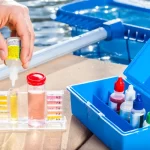
Small kits available in stores can quickly detect lead, copper, nitrates, or PFAS. These home water testing tools offer a quick way to assess water purity before exploring further options. Each kit comes with clear instructions, making the process easy. Users simply collect a sample, dip a testing strip, and match the result to a chart. Any unusual findings suggest a need for a more detailed analysis.
Professional Water Testing Services
For those seeking more precise results, advanced methods are available. This is critical in areas with known water safety concerns, like Montana. Certified labs can pinpoint subtle changes in water chemistry that basic kits might miss. This is essential for private wells, with their unique underground sources. Experts can interpret results and offer guidance on maintaining safe, reliable water at home.
Practical Steps for Safer Drinking
Improving tap water quality is achievable through simple steps. Boiling water adds an extra layer of protection against germs. Targeted filtration can address concerns about certain chemicals. These actions help households feel more confident about their daily water intake.
Boiling and Filtration Methods
Boiling water for at least one minute kills bacteria and viruses. This aligns with CDC guidelines for microbial safety. Yet, boiling alone does not remove harmful metals or pesticides. Using water treatment methods like activated carbon or reverse osmosis can address a broader range of contaminants.
Choosing the Right Filtration System
Activated carbon filters can trap chlorine and some heavy metals. Reverse osmosis systems target a wide range of pollutants, including PFAS. It’s important to choose products tested by reputable agencies. Look for certifications that ensure the product meets the lead and copper rule standards.
Regular Maintenance Schedules
Plumbing fixtures require ongoing care. Faucet aerators need regular cleaning to remove debris and prevent buildup. Flushing taps if unused for long periods ensures fresh water flow and prevents corrosion. These steps help maintain water quality and safety over time.
Method | Benefit | Considerations |
Boiling | Kills microbes | Does not remove chemicals |
Activated Carbon | Reduces chlorine, some metals | Requires regular filter changes |
Reverse Osmosis | Removes broader contaminants | Higher initial cost, needs professional setup |
Regular Flushing | Clears stagnation | Prevents corrosion buildup |
Tips for Tourists Visiting Montana
Travelers often wonder if water is safe to drink in the state’s popular destinations. Municipal supplies in cities tend to provide reliable access, reducing concerns for those seeking local adventure. Checking official updates can help visitors stay in the loop about recent conditions and plan their stops with confidence.
Many seek tourist water tips when exploring rural regions. A portable filtration system is a smart choice, as creeks or wells are the main source. Some prefer bottled drinks, yet reusing durable containers limits waste during long hikes or rafting excursions. It makes each outing more eco-friendly and convenient for anyone eager to enjoy nature.
- Monitor current advisories from state health agencies
- Pack an easy-to-use purifier for remote trails
- Drink from recognized public systems whenever possible
Montana tap water safety remains a priority for local authorities, and most metro areas follow clear quality guidelines. Yet, an extra measure can be wise for guests venturing into backcountry. Keeping extra filters on hand and staying informed about updates builds trust in the water supply. This approach helps make each trip more comfortable and memorable.
Those who appreciate tourist water tips often enjoy greater peace of mind. Montana tap water safety is well-regulated in many towns, ensuring visitors can focus on scenic drives and outdoor adventures. Thoughtful planning, coupled with good hydration habits, offers a smoother journey through this beautiful region.
Environmental Efforts to Preserve Clean Water
Montana prioritizes the health of its waterways, essential for families, wildlife, and local businesses. Communities actively work to reduce pollutants that harm rivers, lakes, and wells. Clean water is a fundamental concern for those reliant on local sources daily. Upgrades are implemented to combat heavy metals and protect ecosystems, ensuring drinking water quality. These efforts also safeguard scenic views for tourism.
Local Conservation Initiatives
Grassroots groups spearhead cleanup events and fund studies on PFAS contamination. The Grandview Wells Treatment System exemplifies advanced filtration, removing harmful substances. Volunteers plant trees near floodplains to bolster natural defenses against runoff. Neighborhood workshops teach simple methods to maintain stream cleanliness for drinking and recreation. Regional planners align community objectives with EPA standards to foster continuous improvement.
Roles of State and Federal Agencies
Montana’s Department of Environmental Quality works in tandem with the United States Environmental Protection Agency. Together, they monitor PFAS contamination in sensitive areas and implement preventive actions. Field tests guide adjustments at water treatment facilities when necessary. Adherence to updated EPA standards boosts public trust in government protection of public health. This collaboration unites officials, nonprofits, and local advocates in safeguarding Montana’s water for future generations.
Key Takeaways on Drinking Water in Montana
Montana is dedicated to improving water quality through enhanced monitoring and updated infrastructure. The revised Lead & Copper Rule plays a key role in this effort. Public water systems in Montana frequently test their water to ensure it meets or exceeds state and federal standards. This rigorous testing maintains high safety levels.
Residents can stay informed about their drinking water by accessing consumer confidence reports. Local health officials emphasize the importance of open communication. This approach helps prevent the spread of misinformation. Montana’s drinking water regulations aim to instill confidence in the water supply, whether in rural towns or larger cities.
Working together with local utilities and authorities is essential for maintaining water quality in the long term. Homeowners using well water are advised to schedule regular testing. They should also use approved methods for filtration or treatment. These steps, combined with Montana’s commitment to public engagement, ensure safe drinking water for families and visitors across the state.