Brooklyn's Water Quality and Its Effects on Local Wildlife
- Published:
- Updated: January 2, 2025
Listen to this article
Summary
Brooklyn’s water quality directly impacts local wildlife, necessitating conservation efforts to maintain ecosystem balance.
- Overview of water sources: Brooklyn’s waterways serve as habitats and food sources for diverse wildlife.
- Current state of water quality: Pollution from urban runoff and industrial contamination threatens aquatic life.
- Effects of pollution on wildlife: Disruption of reproduction, disease susceptibility, and altered behavior in aquatic animals.

The water quality in Brooklyn not only supports the lives of people in Brooklyn, it also supports the wildlife and ecosystems in Brooklyn. Clean and healthy water supplies to the borough impact the myriad species of animals that call Brooklyn home. From its rivers and streams to the birds that use wetlands, water quality is the key to sustaining the delicate ecosystem of Brooklyn’s natural spaces, and a functioning environment for humans and animals to coexist in harmony.
Overview of Brooklyn's Water Sources
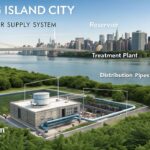
Brooklyn is the biggest borough in New York City, surrounded by waterways. Water runs everywhere in Brooklyn, from the East River to the Coney Island Creek. But Brooklyn’s water is also supplied by the New York City water supply network through a series of reservoirs upstate.
Such water is used by not just the humans who live in Brooklyn but also many wildlife. They are homes, places of breeding, food for many animals and, as such, we should not ignore their cleanliness and wellbeing.
Current State of Water Quality in Brooklyn

Brooklyn’s water quality is constantly under surveillance. The quality of water in Brooklyn‘s waterways has to do with urban pollution, stormwater runoff, and industrial contamination in the past. Heavy metals (lead, mercury, and so on) and organic compounds (pesticides).
Control of these contaminants is essential for the wellbeing of human inhabitants and wild animals. Poor water quality creates a cascade of ecological impacts that begins with the smallest aquatic animals and runs up to large predatory animals.
What are the effects of water pollution on aquatic life?
Aquatic animals can be devastatingly affected by water pollution. There are many fish species that inhabit many of Brooklyn’s waters and thousands of smaller animals that serve as the aquatic food web. It can create many issues such as:
Reproduction in fish and other marine life disrupted.
Shrinkage to disease risk due to compromised immune systems.
Modified behaviour and slow growth, and affected animals’ survival and reproduction.
The cumulative effect is less biodiversity – species are no longer able to survive in contaminated water – and shifts in the population composition of aquatic ecosystems.
Impact on Bird Populations
The birds of Brooklyn belong to Brooklyn’s wildlife – from the common city birds such as pigeons and sparrows, to migratory and waterfowl. These birds tend to feed and nest near water, so are vulnerable to water pollution.
Compounds in the water, for example, will accumulate in the birds’ diet of fish and invertebrates and cause poisoning. So can pollution: pollution diminishes clean nesting and food-production opportunities for birds, affecting their abundance and health.
What is the effect of water pollution on mammals and other terrestrial wildlife?
While land mammals may not be as affected by water pollution as marine life or birds, they are no more immune. Raccoons, squirrels and even animals are water users and bathers in Brooklyn’s waterways.
These sources of water if polluted can cause health problems from digestive diseases to severe issues like organ damage and reproductive dysfunction. Mammals too will have food shortfalls, if fish and other prey decline in the water due to degraded quality.
Water Quality and Ecosystem Health
Water quality measures how healthy an ecosystem really is. It’s not just the species that are the issue with ecosystem health – it’s the species themselves and the ecosystem that hosts them.
The poorer the water quality, the lower the biodiversity because some species can’t survive or reproduce in a contaminated area. This can change the equilibria, where some species will be over-represented while others are under-represented.
Improving Water Quality for Wildlife
Improving the quality of water in Brooklyn involves collective action and involves several steps:
- Monitoring and Regulation: Constant monitoring of water bodies helps identify contaminants, their sources, and potential solutions. Stronger regulation of industrial processes and waste management can prevent further pollution.
- Cleanup and Restoration: This involves physically removing pollutants and restoring damaged habitats to support wildlife resurgence. The ongoing work on the Gowanus Canal is a prime example of this.
- Education and Awareness: The public can play a vital role in preserving water quality. Educating the community about the importance of clean water and the impacts of pollution can motivate more environmentally-friendly behavior.
Case Studies of Local Impact
There are just a few instances of the effects of Brooklyn’s water quality on Brooklyn’s wildlife. The Gowanus Canal, for example, one of the most polluted aquifers in the US, was always subject to industrial pollutants that tainted native fishes. Nevertheless, this waterbody is now reanimated thanks to recent cleanup and restoration projects that brought back long-lost species.
So too with the Diamondback terrapin turtles in Jamaica Bay. This pollution and habitat destruction have already caused a serious damage to the population in the region and the population of this species is decreasing here.
Conservation Efforts and Community Involvement
Water in Brooklyn is improved by public engagement and conservation. Local groups and the government have been cooperating to impose measures that save and restore water habitats. We have campaigns like the Million Trees NYC campaign and the NYC Clean Water Act which work to cut pollution, increase greenspace, and foster sustainability. It is easy to encourage residents to take part in cleanups, use green infrastructure such as rain gardens, and stop using plastic — all of which will make the world a better place for water and healthier planets.
Conclusion: The Vital Connection Between Water Quality and Wildlife in Brooklyn
The bottom line is that the water quality of Brooklyn significantly impacts its wildlife and ecosystem health. Run-off, industrial pollution and poorly managed waste also harm waterways, birds and land mammals. Clean water means constant surveillance, strict controls, habitat restoration and public education. Through local participation and conservation measures, Brooklyn will be able to protect its water, keeping people and animals in good health into the future.
Share this on social media:
Facebook
Twitter
LinkedIn
Next Article:

Related Posts