

The bioindicators are living things you can identify as markers of water quality in an environment. Below are some of the pros and cons of water quality bio-indicators:
Advantages:
Affordable: Bioindicators are very affordable compared to other water quality testing techniques.
Non-intrusive: Biomarkers do not need water samples and chemical water tests which are environmental invasive.
Ecological importance: Bioindicators are living organisms that are a component of the ecosystem and affected by water quality changes. That means they are pertinent indicators of the ecosystem’s health.
Anticipation system: When a water quality change is detected by bioindicators, action can be taken immediately.
Flexible: Bioindicators can be used to measure any parameter of water quality – pH, temperature, dissolved oxygen, toxics and so on.
Disadvantages:
Limitation in precision: Bioindicators are a very general indicator of water quality, and their precision can be degraded by other pollutants, changes in water temperature, and variations in flow.
Species-based: Different species of bioindicators may respond to water quality fluctuations in different ways, so multiple species are needed to have a full picture of water quality.
Slow: Bioindicator measurements can take time to do because they usually need to be monitored over time to detect water quality changes.
Results: Bioindicator results are not always easy to interpret as bioindicator population changes due to a range of variables including flow changes, predators, and competition.
Maintenance: Bioindicator populations must be kept sanitized in order to yield reliable results.
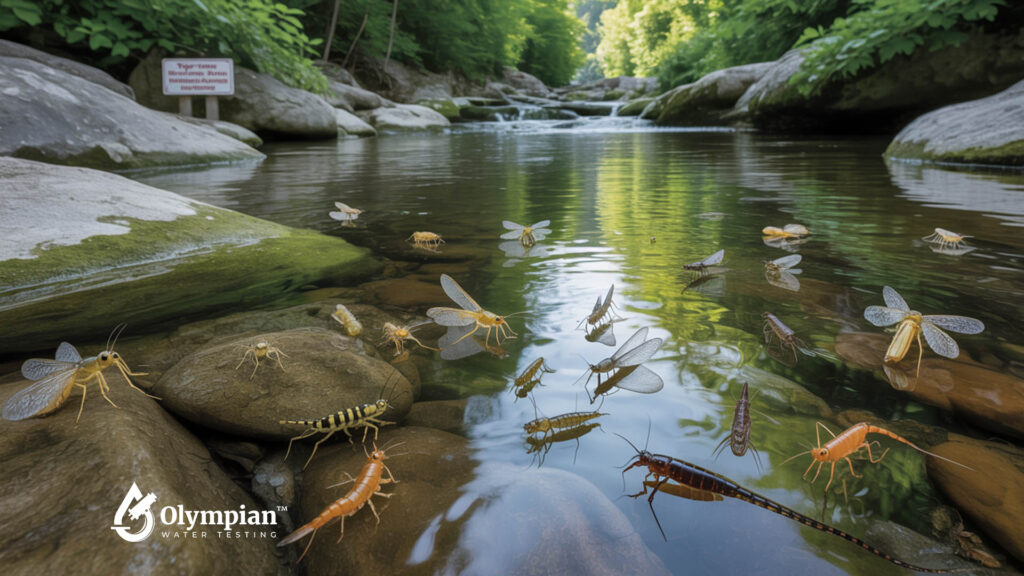
When choosing and using bioindicators for water quality monitoring, think about the type of water body you’re monitoring and the data you want to collect. If you’re monitoring the health of a freshwater stream, for instance, you may want to deploy a different suite of bioindicators than if you’re monitoring the health of a saltwater estuary.

You should also take into account temperature, salinity and water chemistry of the water body as you choose the most suitable bioindicators for a particular water body, and any contaminants and other factors. There’s also the species of fish and other aquatic organisms in the waterbody, as some species may be more susceptible to changes in water quality than others.