
Understanding Greece’s Water Sources
Greece’s water infrastructure varies greatly between the mainland and islands. In cities like Athens, residents rely on large reservoirs. Coastal towns, on the other hand, use rivers or smaller sources, adhering to strict standards.
Islands, affected by seasonal tourism, employ both groundwater and desalination. Tap water often has unique mineral tastes, leading many to opt for bottled water. Despite this, tap water is generally safe for consumption.
Coastal Areas vs. Mainland
The mainland boasts larger water reserves, contrasting with coastal areas’ limited supplies. In these regions, creek flows decrease during dry seasons. This necessitates a mix of well extraction and careful storage.
Role of Desalination Plants
Desalination plants in Greece transform seawater into drinkable tap water, vital on islands like Santorini. This method can impart a unique taste. Yet, it remains a lifeline where natural water is scarce. Many locals rely on it during water shortages.
Region | Typical Source | Key Note |
Mainland | Reservoirs & Rivers | Advanced purification standards |
Coastal Areas | Shallow Wells & Limited Rivers | Occasional dryness in peak summer |
Islands | Desalinated Seawater | May taste mineral-rich |
Tap Water in Greece
Tap water is widely available in metropolitan areas. City utilities regularly test it to ensure it meets health standards. This makes it safe for locals and visitors to drink, providing a reliable source of hydration in unfamiliar places.
Authorities work with top labs to test Greek tap water. Cities like Athens and Thessaloniki focus on improving filtration and chlorination. These methods remove harmful substances, making the water safe for drinking and cooking. Some travelers notice a taste difference compared to their home water. Yet, personal taste varies, and some prefer bottled water. Visitors can rely on tap water while keeping their own preferences in mind.
City | Water Authority | Primary Treatment | Typical Taste |
Athens | EYDAP | Chlorination | Moderately Mild |
Thessaloniki | EYATH | Filtration & Chlorination | Mild & Clean |
Regional Differences in Water Quality
Travelers often find that Greek island water quality varies significantly. This variation is influenced by climate and terrain, leading many to seek information on taste and safety. A quick check of rainfall levels and resource management can reveal subtle shifts in flavor or clarity.
Ionian Islands
In the west, destinations like the Ionian Islands benefit from more greenery. This greenery helps replenish Ionian island tap water through wells and springs. Locals may use these sources for cooking or rinsing produce. Visitors can confirm current standards by asking hosts or checking municipal guidance on filtration techniques.
Cyclades Islands
Smaller spots, such as Santorini, rely on desalination systems. These systems create Cyclades island drinking water that meets safety standards but sometimes carries a distinct taste. Many rely on bottled brands when direct consumption matters. Desalinated supplies, though, are fine for everyday washing or recipe preparation. Chefs and bartenders often adjust recipes to mask the slightly saltier undertones.
Bottled Water vs. Tap
In Greece, travelers often opt for bottled water for its consistency and convenience. The cost of a small bottle is around €0.50, while larger ones are near €1.00. This can lead to significant expenses, as manufacturers charge up to 1,000 times more than tap water. Restaurants usually serve bottled water, but some guests ask for tap water instead.
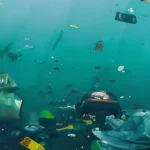
Every year, over one billion plastic containers end up in landfills, causing major environmental issues. This problem hinders efforts towards sustainable tourism and shows how plastic waste can last for centuries. For information on tap water safety, travelers can check tap water in Athens, Greece. Restaurants are common places where travelers rely on bottled water.
Category | Key Insight |
Environmental Footprint | Plastic bottles may take up to 1,000 years to decompose |
Average Price | €0.50–€1.00 for a retail bottle, up to €3 in restaurants |
Potential Savings | Tap water is significantly cheaper, sometimes 1,000 times less |
Safety Precautions for Sensitive Travelers
For those seeking peace of mind about water safety, simple strategies can be a game-changer. Travelers with sensitive stomachs or concerns about waterborne illnesses can find relief in making a few key adjustments. These changes help maintain health during every journey.
Common Concerns
Many travelers worry about contaminants when exploring new areas. The quality of tap water in remote places can be a concern, as well as seasonal issues due to flooding. Being well-informed and prepared can significantly reduce these worries.
Water Purification Methods
Choosing the right water purification method is a critical step towards safe drinking habits. The LifeStraw Sip, for example, has 0.2-micron pores to block harmful bacteria, parasites, and microplastics from up to 1,000 liters of water. Other brands like Sawyer, Brita, and Grayl offer lightweight options. The Centers for Disease Control and Prevention recommend using filters in conjunction with boiling or water purification tablets. This combination is essential for ensuring water safety in areas where water quality is uncertain.
Health Advisory Information
Travelers can stay updated with local health advisories from Greek municipalities or the U.S. CDC. These advisories often follow heavy rainfall, which can lead to water contamination. Such information is invaluable for those seeking to ensure the safety of their drinking water.
Brand | Main Features | Recommended Usage |
LifeStraw | High-flow microfilter with 0.2-micron pores | Backpacking, city visits, and frequent travel |
Sawyer | Compact filtration and fast flow rate | Outdoor treks in remote locations |
Brita | Activated carbon filter technology | Everyday use in hotels and apartments |
Grayl | Press-based purification system | Short trips and city exploration |
Tips on Drinking Water While Dining Out
Travelers often seek insights into Greek dining etiquette before ordering drinks. Many restaurants serve a simple glass of water as a welcoming gesture. This practice reflects time-honored hospitality and helps guests feel at ease.
Tap water in restaurants is widespread, mainly across the mainland. Some tavernas pour it without charge to show courtesy. Bottled brands such as Zagori or Loutraki appear on menus too. Guests can request tap by saying kranío nero.
Diners might prefer bottled water in busy tourist locales, reflecting varied tourist preferences. Observing what locals drink and reviewing the menu helps in choosing the right option. Both local culture and individual comfort guide decisions at the table.
Type | Approx. Cost | Benefit |
Tap Water | Free or minimal | Eco-friendly choice |
Bottled (Zagori) | 1–2 USD | Sealed and consistent flavor |
Sustainability and Plastic Pollution in Greece
The surge in tourism has heightened environmental awareness in Greece. It has also led to new initiatives to maintain the beauty of coastlines. Visitors are encouraged to adopt eco-friendly practices. These actions help safeguard marine life and support the growth of these projects.
Reducing Single-Use Plastics
Efforts focus on plastic reduction strategies to reduce disposable items. Communities are pushing for local recycling efforts. They also advocate for simple actions, like using a reusable cup for everyday activities. This approach significantly reduces waste and minimizes landfill impact.
Encouraging Refillable Bottles
Water refill stations, known as “water ATMs,” are becoming common. They offer filtered water at €0.50 per liter. These stations help cut down plastic use and promote eco-friendly travel nationwide. Tourism boards are now promoting refillable bottles in hotels and shops, encouraging mindful consumption. This change not only saves money but also protects our precious coastal environments.
Comparing Costs:
Option | Approx. Cost |
Bottled Water | €1.00–€1.50 per liter |
Water ATMs | €0.50 per liter |
Alternative Options for Staying Hydrated
Travelers often seek out remote wells and spouts in the Greek countryside for extra hydration. These sites tap into mountain springs, vital for local communities. Hikers rely on them for pure water, keeping their energy up on challenging trails.
Visitors check local advice on water cleanliness before refilling. Some carry filters as a precaution. In cities, water refill stations near historical sites help reduce plastic waste, promoting sustainable travel.
This approach honors local heritage and allows travelers to stay hydrated responsibly. Combining fresh sources, purification tools, and exploration embodies Greece’s spirit. Seasoned explorers advise using these resources wisely to preserve local ecosystems.
Option | Where to Find It | Key Benefit |
Community Taps | Rural villages and island towns | Direct access to spring-fed water |
Water Refill Stations | Urban areas and popular tourist hubs | Reduced plastic waste |
Portable Filters | Travel and outdoor shops | Extra peace of mind during hikes |
Looking Ahead to Your Greek Adventure
Planning a trip to Greece often involves trying local foods and exploring lively streets. According to worldpopulationreview.com, Greece’s tap water is among the best in Europe, scoring a perfect 100. This shows Greece’s dedication to ensuring water safety. Travelers can have a safe trip by knowing about testing standards and local rules.
These last tips for Greece’s water encourage visitors to dive into local traditions and refreshing customs. Bringing a refillable bottle can help cut down on plastic waste, and tap water is generally safe to drink. Whether you’re walking through lively city squares or lounging on beautiful beaches, there are many ways to stay hydrated. Enjoying your journey becomes even more rewarding when you combine peace of mind with experiencing local life.