Exploring the Water Quality of the Bronx's Lesser-Known Bodies of Water
- Published:
- Updated: January 12, 2025
Listen to this article
Summary
Embark on a journey through the lesser-known waters of the Bronx, exploring their significance and assessing their water quality. When exploring the Bronx’s waters, it is important to consider their quality and impact on the surrounding environment. By utilizing water testing services, we can gain a better understanding of the health of these water bodies and make informed decisions about their preservation. The results of water testing services can also provide valuable data for environmental conservation efforts and aid in the development of strategies to improve water quality in the Bronx.
- Overview of Bronx’s Waters: Discover hidden lakes, ponds, and streams integral to the local environment.
- Assessing Water Quality: Understand key indicators like temperature and pollutants affecting water health.
- Urbanization Impact: Learn how urban development and pollution threaten water quality and public health.

Recognize the paramount role of public awareness in the ongoing battle against arsenic contamination, as communities around the world face the devastating consequences of this toxic substance in their drinking water. Arsenic, a naturally occurring element, poses severe health risks when consumed above safe levels. By fostering public awareness through education, information dissemination, and community engagement, we empower individuals and communities to take proactive measures, advocate for proper testing and mitigation, and demand accountability, ultimately working together to combat arsenic contamination and ensure the safety of our water resources.
An Overview of the Bronx's Lesser-Known Bodies of Water
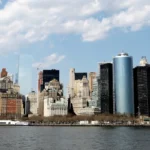
The Bronx, one of the five boroughs of New York City, is home to a rich assortment of lesser-known bodies of water. These hidden gems, often overshadowed by the prominence of the Bronx River, include numerous lakes, ponds, and streams that dot the landscape, each with its unique history and ecosystem. From the calm waters of Van Cortlandt Lake to the bustling Pugsley Creek, these water bodies are integral parts of the local environment.
However, despite their importance, these bodies of water often don’t receive the same attention or conservation focus as their larger counterparts. As we’ll explore, this lack of attention can have significant implications for their water quality and the broader ecosystem.
Assessing Water Quality

Water quality is a measure of the physical, chemical, and biological characteristics of water. It’s an essential factor in maintaining the overall health of our water bodies and the organisms that inhabit them. Key indicators of water quality include the temperature, pH level, levels of dissolved oxygen, and the presence of pollutants such as bacteria, heavy metals, and chemicals.
Maintaining optimal water quality is crucial, not only for the survival of aquatic species but also for human activities like fishing, swimming, and even drinking. In urban environments, assessing water quality can be particularly challenging due to the diverse range of potential pollution sources.
Key Pollutants Impacting Water Quality
Urban water bodies, such as those in the Bronx, often face significant threats to their water quality from various pollutants. Key among these are:
- Industrial waste: Manufacturing industries can produce waste containing heavy metals and toxic chemicals, which can contaminate water bodies if not properly disposed of.
- Urban runoff: Rainwater that flows over urban surfaces can pick up pollutants like oils, fertilizers, and litter, carrying them into nearby water bodies.
- Sewage and wastewater: If not treated properly, sewage and wastewater can release harmful bacteria and nutrients into the water, leading to health risks and problems like algal blooms.
Understanding these pollutants and their sources is the first step in combating water quality issues in the Bronx’s lesser-known bodies of water.
What is the impact of urbanization on water quality?
Land-use changes, pollution and natural river alteration brought about by urbanisation and growth in the Bronx are all factors that can negatively affect water quality. The structures and asphalt can make rainwater not soak in the earth which would lead to more runoff and floods.
These transformations can also change habitats and destroy native species. But with the right planning and policy we can limit some of these effects, and encourage urban design that works to maintain the health of our watersheds.
Public Health Implications
Bad water quality doesn’t just hurt the environment; there are large public health risks. If you use water bodies, that might be polluted and you might get sick or even contaminated.
Not only that, but these waters can be breeding grounds for mosquitoes and other vectors of disease, which could increase exposure to West Nile virus. These risks are why water quality monitoring and improvement on the Bronx’s unrecognised bodies of water must take centre-stage.
Local Conservation Efforts
It’s no easy task, but dozens of local associations and government agencies are monitoring and upgrading the water quality of the Bronx’s lesser-known waters. From routine water testing Lab Bronx and clean-ups to education and habitat restoration work, they do it all.
For instance, while the Bronx River Alliance is an advocacy group for the Bronx River, it also does projects that promote clean water across the borough. This kind of work will allow us to recognize those that do a great job maintaining these important water bodies, and encourage others to join in.
Why is public awareness and action important?
It’s important that people know and do things to maintain and restore water quality. The more people learn about clean water and how endangered our local waterways are, the more inclined they will be to protect them. That could be anything from de-personalising pollution – littering, bad use of household cleaners – to taking part in local clean-ups and lobbying.
Moreover, a love of the Bronx’s lesser-known waters can also encourage recreational use and local responsibility. We will squeak more at what we know and cherish.
The Future of Water Quality in the Bronx
In the future, there is hope, and there is risk, for the water quality of the Bronx’s hidden waterbodies. Yet as many issues persist, from continued pollution to climate change, so too do awareness of these watersheds and a growing concern about how to preserve them.
The answers to this will be regular monitoring and research, ongoing conservation and community engagement. We can all work to make sure that these bodies of water are maintained and left for our kids to come enjoy.
Share this on social media:
Facebook
Twitter
LinkedIn
Next Article:

Related Posts