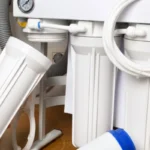
Benefits of Countertop Reverse Osmosis Systems
- Published:
- Updated: February 17, 2025
Listen to this article
Summary
Countertop reverse osmosis systems are an effective and accessible solution for improving water quality. They offer superior purification, cost savings, and environmental benefits, making them ideal for both households and small businesses.
- Superior Purification: These systems remove contaminants like lead, chlorine, and fluoride, ensuring safe drinking water.
- Cost-Effectiveness: They provide high-quality filtration at a lower cost than bottled water or larger systems.
- Environmental Impact: Using these systems reduces plastic waste by eliminating the need for bottled water.

In an era where water quality is of paramount importance, understanding the mechanisms and benefits of water filtration systems is crucial. One such system that stands out is the countertop reverse osmosis system. This sophisticated yet accessible technology plays an essential role in ensuring the purity and safety of drinking water, making it an indispensable tool for households and small businesses alike.
Through this article, we will explore the multifaceted advantages of countertop reverse osmosis systems, explore their operational mechanisms, and highlight their significance in maintaining high water quality standards.
Understanding Reverse Osmosis Systems
Reverse osmosis (RO) is a water purification process that utilizes a semi-permeable membrane to remove ions, unwanted molecules, and larger particles from drinking water. The principle behind reverse osmosis is simple yet effective: by applying pressure to overcome osmotic pressure, water molecules are forced through the membrane, leaving contaminants behind.
How Countertop Systems Differ

Countertop reverse osmosis systems are a compact version of traditional RO systems, designed for convenience and efficiency. Unlike their under-sink counterparts, countertop systems do not require permanent installation or plumbing modifications, making them ideal for renters or individuals seeking a portable water filtration solution.
Advantages of Countertop Reverse Osmosis Systems
Superior Water Purification
Countertop reverse osmosis systems offer exceptional water purification capabilities. By effectively removing contaminants such as lead, chlorine, fluoride, arsenic, and other harmful substances, these systems ensure that the water you consume is of the highest quality.
This level of purification is particularly beneficial for individuals with compromised immune systems or those living in areas with questionable water quality.
Cost-Effectiveness and Accessibility
One of the significant advantages of countertop reverse osmosis systems is their cost-effectiveness. These systems provide high-quality water filtration at a fraction of the cost of bottled water or larger, more complex water filtration systems.
Additionally, the absence of installation fees and the ability to transport the system as needed add to their accessibility, making them an attractive option for budget-conscious consumers.
Environmental Impact
By opting for a countertop reverse osmosis system, you contribute positively to the environment. The use of such systems reduces the dependency on single-use plastic bottles, thereby minimizing plastic waste.
Moreover, the longevity and durability of RO systems mean less frequent replacements, which further reduces environmental impact.
Ease of Use and Maintenance
Countertop reverse osmosis systems are designed with user-friendliness in mind. They typically involve straightforward setup procedures and intuitive operation.
Maintenance is equally uncomplicated, often requiring only periodic filter changes. This simplicity ensures that users can enjoy the benefits of clean, purified water without the hassle of complex upkeep routines.
The Science Behind Reverse Osmosis
The Membrane's Role
Central to the reverse osmosis process is the semi-permeable membrane, which acts as a barrier to contaminants while allowing water molecules to pass through. This membrane is engineered to filter out particles based on size and charge, ensuring that only the smallest, uncharged molecules (primarily water) are transferred to the clean side.
Pressure and Osmotic Balance
Reverse osmosis relies on pressure to counteract natural osmotic pressure. In essence, pressure is applied to the concentrated side of the membrane, pushing water molecules through while leaving dissolved salts and impurities behind. This process effectively purifies water, making it suitable for various applications, including drinking water supply and industrial use. In addition to removing salts, reverse osmosis can also help in understanding pH levels in water, as the filtration process can alter the ionic composition, thereby affecting acidity or alkalinity. Consequently, monitoring and adjusting pH levels post-treatment is crucial to ensure the water’s suitability for its intended use.
This process requires careful calibration to maintain the delicate balance between sufficient pressure and membrane integrity, a task that modern countertop systems manage with precision.
Application and Suitability
Countertop reverse osmosis systems are versatile and suitable for various applications. They are particularly advantageous for:
- Residential Use: Offering a practical solution for individuals or families seeking to improve their home’s water quality without extensive renovations.
- Small Businesses: Providing an efficient method for cafes, restaurants, and offices to ensure that their water supply meets high standards of purity.
- Mobile and Temporary Settings: Ideal for use in RVs, vacation homes, or temporary accommodations where water quality may be uncertain.
Practical Considerations
When selecting a countertop reverse osmosis system, there are several practical considerations to keep in mind:
Capacity and Output
Evaluate the system’s water output capacity to ensure it meets your daily consumption needs. Countertop systems vary in their filtration speed and volume, so selecting one that aligns with your usage is essential.
Filter Replacement Frequency
Understand the frequency and cost of filter replacements. Regular maintenance is crucial to ensure the system continues to perform optimally.
Space and Aesthetics
Consider the available countertop space and the system’s design. While most units are compact, ensuring that the system fits comfortably in your designated area is important for both functionality and aesthetics.
Conclusion
Countertop reverse osmosis systems provide a robust solution for individuals and businesses seeking to enhance their water quality. With their superior purification capabilities, cost-effectiveness, and environmental benefits, these systems represent an intelligent investment in health and sustainability.
As we continue to navigate the challenges of maintaining water quality standards, the role of countertop reverse osmosis systems becomes increasingly significant. By understanding their benefits and applications, you can make informed decisions that contribute to a healthier, safer water supply for all.
Share this on social media:
Facebook
Twitter
LinkedIn

Related Posts