Understanding the pH Levels of Reverse Osmosis Water
- Published:
- Updated: February 17, 2025
Listen to this article
Summary
Reverse osmosis (RO) water often has a lower pH due to the removal of buffering minerals during the filtration process. This typically results in slightly acidic water (pH 5-7). Although not harmful, low pH can cause issues such as corrosion of pipes, negative effects on aquatic life, and impact on industrial processes. pH adjustments can be made through methods like alkaline filters, chemical additives, or aeration.
Key Points:
- pH Importance: pH affects water’s acidity, taste, and suitability for industrial processes.
- RO Water pH: RO water is typically slightly acidic because minerals that buffer the pH are removed during purification.
- Adjusting pH: Techniques like adding alkaline filters or using aeration can help raise the pH to ensure the water is suitable for its intended use.

Maintaining optimal water quality is crucial not only for environmental integrity but also for human health and industrial processes. One of the key parameters in evaluating water quality is its pH level, which indicates the acidity or alkalinity of the water. Reverse osmosis (RO) water treatment is a popular method used to purify water, and understanding the pH levels of RO water is essential for various applications.
What is pH and Why Does it Matter?
The term "pH" refers to the potential of hydrogen, which is a scale used to specify the acidity or basicity of an aqueous solution. The pH scale ranges from 0 to 14, with 7 being neutral. Values below 7 indicate acidity, while values above 7 denote alkalinity.
The pH level of water can affect its chemical properties, taste, and even its suitability for certain industrial processes. For instance, highly acidic water can corrode pipes and infrastructure, while highly alkaline water can cause scaling. Therefore, maintaining the right pH balance in water is vital.
The Reverse Osmosis Process
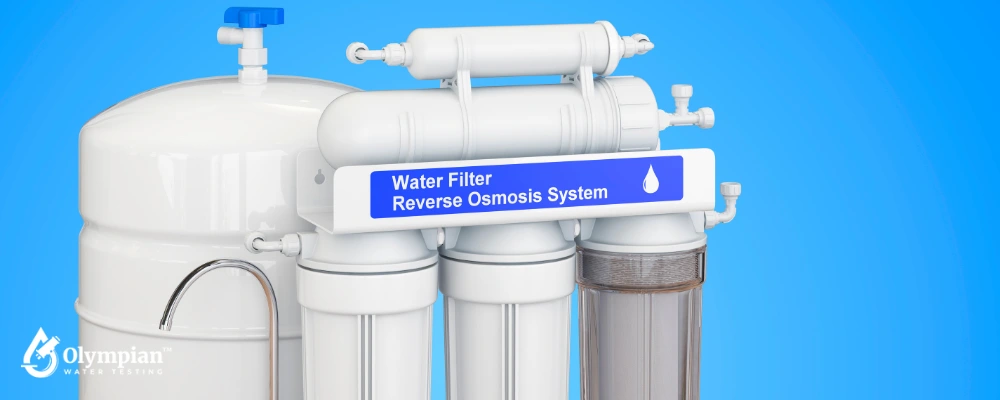
Reverse osmosis is a water purification process that removes contaminants from water by using pressure to force water molecules through a semipermeable membrane. During this process, larger particles and impurities are filtered out, resulting in purified water.
How Reverse Osmosis Affects pH Levels
RO water typically has a lower pH compared to the source water because the process removes dissolved solids, including minerals that can buffer the pH. The resulting water is often slightly acidic, usually in the range of 5 to 7. This is because carbon dioxide in the air can dissolve into the water, forming carbonic acid, which lowers the pH.
Factors Influencing pH in RO Water
Several factors can influence the pH of reverse osmosis water:
Source Water Characteristics
The composition of the source water plays a significant role in determining the pH of the RO water. Water with higher levels of dissolved carbon dioxide or organic acids will likely produce RO water with a lower pH.
Membrane Characteristics
The type of membrane used in the RO system can also affect the pH level. Some membranes are more effective at removing certain ions, which can lead to variations in pH.
Post-Treatment Processes
Many RO systems incorporate post-treatment processes to adjust the pH of the water. These can include adding alkaline minerals back into the water or using a pH neutralizing filter.
Potential Implications of Low pH in RO Water
While RO water’s lower pH is generally not a health concern, it can have implications for domestic and industrial applications. Acidic water can lead to:
- Corrosion of Pipes and Fixtures: Acidic water can corrode metal pipes and fixtures, leading to potential leaks and increased maintenance costs.
- Negative Effects on Aquatic Life: If RO water is being used in aquariums or aquaculture, the lower pH can affect the health of aquatic organisms.
- Impact on Industrial Processes: Certain industrial processes require water of a specific pH range to function correctly. Deviation from this range can lead to inefficiencies or damage to equipment.
How to Adjust the pH of RO Water
To address the lower pH levels in RO water, several strategies can be employed:
Alkaline Filters
Alkaline filters can be added to the RO system to increase the pH by adding minerals such as calcium or magnesium back into the water.
Chemical Additives
Chemical additives such as sodium bicarbonate or potassium bicarbonate can be used to raise the pH of the water.
Aeration
Aeration can help raise the pH by reducing the concentration of carbon dioxide in the water.
Conclusion
Understanding the pH levels of reverse osmosis water is crucial for ensuring that it meets the requirements for its intended use. While RO water is typically slightly acidic, this can be managed through various post-treatment methods to ensure the water is safe and suitable for consumption or industrial use.
By maintaining an awareness of the factors that influence pH levels and implementing appropriate solutions, users can optimize their water quality and prevent potential issues associated with acidic water.
In summary, while reverse osmosis is an effective method for purifying water, it’s important to monitor and adjust the pH levels as needed. This ensures that the water is not only clean but also safe and suitable for its intended applications. Additionally, maintaining the appropriate pH levels can prevent potential corrosion of plumbing and ensure optimal taste for drinking water. Users should be aware of the reverse osmosis water benefits, which include the removal of contaminants and improved clarity. By staying vigilant about water quality, one can enjoy both the health advantages and the overall quality enhancements that this purification method provides.
Share this on social media:
Facebook
Twitter
LinkedIn

Related Posts