Understanding Bird Hydration Needs and Sources
- Published:
- Updated: July 11, 2025
Listen to this article
Summary
Birds require water for hydration, but their drinking habits and sources can vary significantly depending on their species and environment. Some birds drink directly from natural water bodies, while others derive water from their food or metabolic processes. For example, pigeons and doves can suck water directly, while other birds scoop and tilt their heads back. Birds in arid environments may rely on metabolic water produced by the breakdown of fats in their food.
- Factors influencing water consumption: Size, metabolism, diet, and environmental conditions like temperature can impact how much water a bird needs. Smaller birds with higher metabolic rates typically need more water per body weight.
- Water sources: Birds use various sources for hydration, including lakes, rivers, rainwater, dew, and artificial sources like bird baths. Urban environments often rely on artificial water sources, particularly during droughts.
- Water quality: Contaminants in water, such as pesticides and heavy metals, can harm bird health. Ensuring access to clean water is crucial for the survival of bird populations.

Birds, like all living organisms, require water to survive. However, their hydration needs and the sources from which they derive water can vary significantly depending on their species, habitat, and diet. This article explore the intriguing world of avian hydration, exploring how birds drink water, how much they need, and the various sources they utilize.
Can Birds Drink Water?
Birds are inherently adept at sourcing water in their natural habitats. While some species are observed drinking directly from water bodies, others may derive their hydration needs from food or metabolic processes. The act of drinking water can be quite different across various bird species.
Avian Drinking Mechanisms
Birds do not have lips like mammals, so their drinking methods are unique. Most birds will scoop up water with their beaks and then tilt their heads back, allowing gravity to help the water travel down their throats. This action is often accompanied by a swallowing reflex to ensure the water reaches their stomachs efficiently.
Certain bird species, such as pigeons and doves, exhibit the ability to suck water directly, a trait not commonly found among avians. This suction method allows them to drink without the need to tilt their heads backward.
Metabolic Water Production
A fascinating aspect of bird physiology is their ability to produce water metabolically. This process occurs when birds break down food, particularly fats, resulting in the production of water as a byproduct. This metabolic water can be a crucial hydration source, especially for birds living in arid environments with limited access to liquid water.
How Much Water Do Birds Drink?
The amount of water a bird requires is influenced by several factors, including its size, diet, activity level, and the environmental conditions it inhabits.

Factors Influencing Water Consumption
- Size and Metabolism: Generally, smaller birds have higher metabolic rates and therefore, require more water relative to their body size compared to larger birds. For instance, a small songbird may need to consume water equivalent to 5% of its body weight daily.
- Diet: Birds that consume a diet rich in succulent fruits or insects may fulfill a significant portion of their water needs through their food. Conversely, granivorous birds, which feed primarily on dry seeds, require more direct water intake to stay hydrated.
- Environmental Conditions: Birds in hot and dry climates often face increased water loss through respiration and evaporation, necessitating higher water intake to maintain hydration levels.
Adaptations to Varying Water Availability
Birds have evolved numerous adaptations to cope with fluctuating water availability. Some species exhibit behaviors such as seeking shaded areas during peak heat to reduce water loss or becoming crepuscular, active primarily during cooler dawn and dusk hours.
Water Sources for Birds
Birds utilize a diverse array of water sources in their quest to meet hydration needs.
Natural Water Bodies
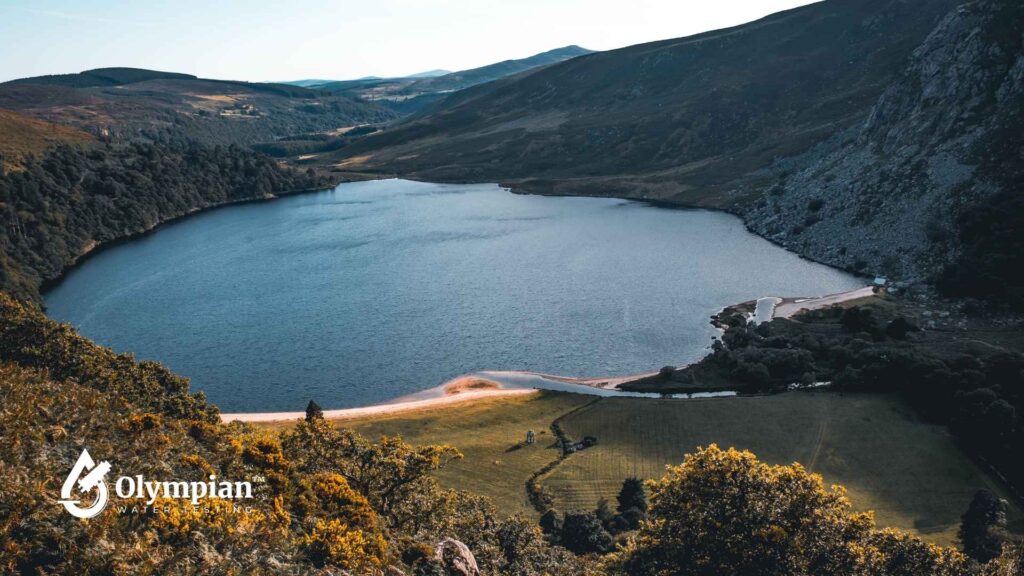
Lakes, rivers, ponds, and streams are conventional water sources for many bird species. These bodies of water not only provide hydration but also serve as habitats for aquatic insects and plants that form integral parts of some birds’ diets.
Rainwater and Dew
Rainwater collection is a vital hydration strategy, especially in regions where standing water is scarce. Birds may drink from rainwater puddles or foliage where water droplets have accumulated. Early morning dew can also be an essential water source for ground-feeding birds.
Artificial Water Sources
In urban and suburban environments, birds frequently rely on artificial sources like bird baths, fountains, and even pet water bowls. These sources can be especially crucial during periods of drought or extreme temperatures.
Water from Food
As previously mentioned, many birds obtain water from their diet. Nectar-feeding birds like hummingbirds ingest significant amounts of liquid through flower nectar. Similarly, birds that consume fruits benefit from the high water content present in their food.
Implications for Water Quality

The presence of contaminants in water sources can pose significant risks to avian health. Pollutants such as pesticides, heavy metals, and pathogens can have detrimental effects on birds, leading to illness or mortality.
Importance of Clean Water
Ensuring access to clean water is paramount for the well-being of bird populations. This entails regular monitoring of water quality in natural habitats and addressing potential contamination sources in urban areas.
Role of Environmental Consultants
Environmental consultants play a crucial role in safeguarding water quality for avian species. By conducting comprehensive water quality analyses, these professionals can identify pollution sources and recommend remediation strategies to mitigate risks to bird populations and other wildlife.
Providing Water for Birds: Practical Advice

If you’re keen to support local birdlife, consider implementing the following strategies to ensure they have access to clean, reliable water sources:
- Maintain Bird Baths: Regularly clean bird baths to prevent the spread of disease and ensure water remains fresh. Position them in shaded areas to reduce evaporation and algae growth.
- Create a Water Garden: Incorporate water features into your garden design. Shallow ponds with gently sloping edges can attract various bird species while providing a habitat for insects and aquatic plants.
- Support with Native Plants: Planting native vegetation can offer birds natural water sources through dew and rain collection. Native plants also provide food and shelter, enhancing the habitat’s overall biodiversity.
Conclusion
Understanding bird hydration needs is essential for conservation efforts and fostering a healthy ecosystem. Birds, with their diverse drinking habits and water sources, are fascinating examples of adaptation and survival. As stewards of the environment, it is our responsibility to ensure that these creatures have access to clean, safe water to thrive.
By promoting practices that enhance water quality and availability, we can contribute to the well-being of avian populations and the broader ecological community they inhabit.
Share this on social media:
Facebook
Twitter
LinkedIn

Related Posts