
Assessing Nitrate Levels in Staten Island's Drinking Water
- Published:
- Updated: January 2, 2025
Listen to this article
Summary
Assessing nitrate levels in Staten Island’s drinking water reveals important considerations:
- Nitrate Sources: Pollution from agriculture, wastewater treatment, and industrial processes can elevate nitrate levels in water, posing health risks.
- Regulatory Standards: The EPA sets the legal limit for nitrate in drinking water at 10 mg/L, but there’s debate about the adequacy of these regulations.
- Staten Island’s Situation: While nitrate levels in Staten Island’s tap water mostly comply with regulations, occasional spikes have occurred, prompting temporary advisories.
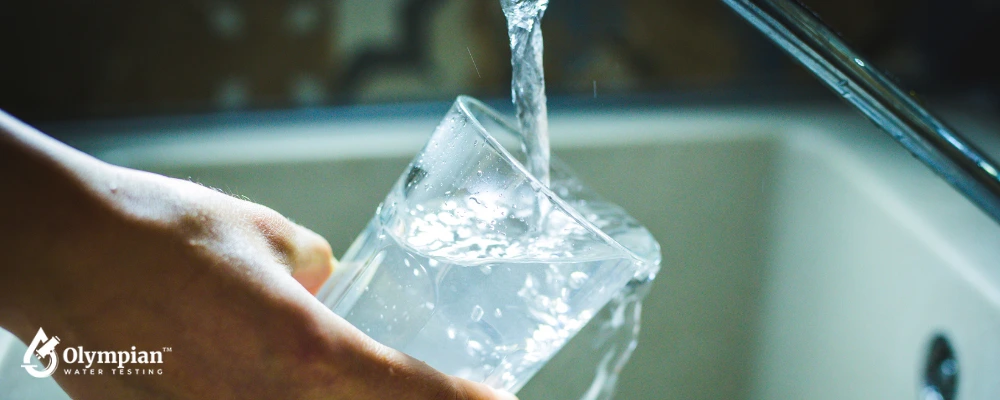
Thousands of Staten Islanders awake each morning with the simplest yet most important act: turning on the tap. To make coffee, for breakfast, or even to brush their teeth, the quality of water entering those pipes is taken for granted. But what if that water wasn’t quite so clean?
The Science of Nitrates: What You Need to Know
Nitrates are chemicals that frequently show up in both natural and built environments. Almost all water is naturally high in nitrates, but at elevated concentrations, from farming, wastewater treatment and industrial use. The high nitrate levels are bad for the health of many people including the baby and elderly.
Concerns about nitrates in the water are largely about health. The drinking of water that has too much nitrate in it can cause "blue baby syndrome," which occurs in babies and can decrease the ability of the blood to transport oxygen. As adults, nitrates are associated with some cancers when taken in excess for a long time.
What the Regulations Say: The Legal Limits

The US Environmental Protection Agency (EPA) regulations the amount of nitrate permitted in drinking water at 10 mg/L. It is an FDA standard to guard against the health hazards of nitrate contamination. But, at the same time, these rules haven’t been revised in decades, so why should they be?
Many nations have similar or more stringent rules, but they’re in fact questioned as to whether or not they’re enough. Opponents say the legal thresholds ignore the effects of taking nitrates over time. The recent science about long-term health impacts strongly suggests reinterpreting these regulations.
How Staten Island Measures Up: Current Data on Nitrate Levels
The tests have been regular and done by local authorities on tap water on Staten Island, with results broadly within limits. But "mostly" is a word worth checking. In some cases, nitrate levels went above the threshold and interim warnings issued to boil water before consumption.
Staten Island compares favorably to other boroughs in New York City for levels of nitrate. But this is no excuse to be lazy. Nitrates are dangerous even when consumed only occasionally, experts say, particularly when consumed by the most vulnerable populations. So you have to be informed and vigilant.
Digging Deeper: Methodologies Behind Water Testing
To measure nitrates in water, there are a few methods. You will find laboratory labs using things like ion chromatography and spectrophotometry to detect nitrate. These methods are sensitivity and provenance, and they demand equipment and knowledge.
If you are feeling a little more hands-on, DIY water testing kits are available in the market. These are handy to have as a quick overview but are less reliable than formal tests. Whatever technique one opts for, it is essential that the results are reported openly in order to maintain public confidence.
From the Source: Where Staten Island's Water Comes From
The two most common sources of water on Staten Island are reservoirs and wells. Such bodies of water tend to be less susceptible to nitrate contamination than, say, rivers, but they’re not perfect. They may still be polluted by agricultural runoff and wastewater, causing high nitrate levels.
The local government has started to track and safeguard these waterways. Water testing is conducted regularly, there is a limited area of land around reservoirs and awareness campaigns to cut down on pollution. But the effectiveness of these treatments must be monitored and refined constantly for long-term safety.
Beyond the Tap: Bottled Water and Filters
Most of us take our water from a bottle, thinking that is safer than drinking water. You should be aware though that bottled water is not always nitrate-free. And plastic bottles pollute the environment so that adds another dimension of concern to this option.
The more sustainable water filters are an alternative, though not all nitrate filters are created equal. There are companies such as ZeroWater and Brita, which offer nitrate-reducing products, but it’s best to follow the label. Other filters work for spiciness and don’t purge the nasty chemicals.
Taking Action: What Can You Do to Protect Yourself
Being aware is the start, but you don’t have to stop there. Getting proactive about keeping your water safe is key.
Be sure to test your water frequently: Test every year, especially if you live with well water.
Installation of filters: You will need a filter that is able to decrease nitrate.
Remaining informed: Monitor public water quality data in your region.
As we demand more regulation and more transparency, all of us can do our part to save our water. Going to your community meetings and signing petitions are other ways to get involved.
Real Stories: Interviews with Staten Island Residents
Staten Islanders are no silent victims of this trend. All have had stories, from mothers worried about what their kids are drinking to teachers who require students to bring filtered water to school. These small acts are a sign that the community is listening and doing something about it.
Communities are already doing things such as holding water quality workshops and lobbies for more testing. That it’s not only people in the community who are entrusting authorities but they themselves are holding their own health and safety.
Share this on social media:
Facebook
Twitter
LinkedIn
Next Article:

Related Posts