Arsenic Alert: Top 3 Indicators of Elevated Levels in Water
- Published:
- Updated: November 14, 2024
Listen to this article
Summary
The top three indicators of elevated levels of arsenic in water are:
- Visual cues: Cloudy water, yellow or brown tint, or sediment floating in it may indicate elevated levels of arsenic.
- Taste and odor: A bitter, metallic taste or a strong, unpleasant odor in the water can also suggest arsenic contamination.
- Test results: The most accurate way to determine arsenic levels is through water testing. Both laboratory analysis and field test kits can provide information on arsenic concentration, ensuring the safety of drinking water.

There is rising awareness about arsenic contamination in the world and the risk to millions of human lives is enormous. When this element is in water sources in high concentrations, you can develop long-term illnesses such as cancer and neurological issues. When it comes to the health of our water, there are three major markers for arsenic infiltration that we must know about.
The Dangers of Arsenic in Drinking Water
Arsenic is a poison that can cause serious health complications when in large doses over a long period of time. It’s a cancer-causing compound, in other words, it’s caused skin, lung, bladder and kidney cancers. Other health issues such as cardiovascular disease, neuropathy, developmental issues in children are also possible.
The element arsenic is a naturally occurring metal found in soil, rocks and water. But it can be spilled into water through industry and farming too. Industries use arsenic, for instance, as a wood preservative, and it gets into the water. The same goes for arsenic, which seeps into the water supply from agricultural fields where it was applied as a pesticide.
What are the Sources of Arsenic in Drinking Water?

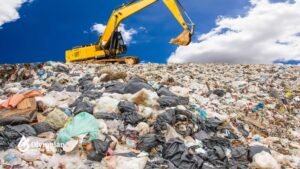
Arsenic is a lethal metal that can come into your drinking water from many different sources — natural and non-natural. The arsenic comes from rocks, volcanoes and the groundwater in nature. Arsenic from manmade sources includes industrial effluent, agricultural effluent and decomposing material from landfills.
If the groundwater is arsenic-contaminated, then the water might be very high in the metal. That’s especially the case in places where rocks are arsenic-rich. In these locations you have to test the water frequently to make sure that it is safe to drink.
Symptoms of Arsenic Poisoning
Here are the most common symptoms of arsenic poisoning:
- Gastrointestinal symptoms: Nausea, vomiting, diarrhea, abdominal pain, and loss of appetite are the most common symptoms of arsenic poisoning.
- Skin changes: Chronic exposure to arsenic can cause darkening, thickening, and discoloration of the skin, as well as the appearance of small corns or warts.
- Neurotoxicity: Arsenic can cause peripheral neuropathy, which is characterized by numbness, tingling, and muscle weakness in the limbs.
- Cardiovascular effects: Arsenic can cause cardiovascular disease, including heart disease and stroke.
- Respiratory symptoms: Arsenic can cause respiratory symptoms, such as shortness of breath and coughing.
- Anemia: Arsenic can cause anemia, which is a decrease in the number of red blood cells in the body.
- Cancer: Arsenic is a known human carcinogen and long-term exposure to arsenic can increase the risk of certain types of cancer, such as skin, lung, bladder, and liver cancer.
To detect arsenic poisoning, a doctor may perform a physical examination and ask about your symptoms and possible exposure to arsenic. They may also order laboratory water tests, such as a complete blood count (CBC), liver function tests, and a urinary arsenic level test. In some cases, a biopsy of affected tissue may also be performed to confirm the diagnosis.
Top 3 Indicators of Elevated Levels of Arsenic in Water
There are several indicators that can help you determine if the water you are drinking has elevated levels of arsenic. The top 3 indicators are:
- Visual Cues: One of the easiest ways to determine if your water has elevated levels of arsenic is by looking at it. If the water is cloudy, has a yellow or brown tint, or has sediment floating in it, it may contain elevated levels of arsenic.
- Taste and Odor: Another indicator of elevated levels of arsenic in water is a bitter, metallic taste. The water may also have a strong, unpleasant odor.
- Test Results: The most accurate way to determine if your water has elevated levels of arsenic is by having it tested. There are a variety of testing methods available, including laboratory analysis and field test kits. The results of the test will indicate the concentration of arsenic in the water, and whether it is safe to drink.
Importance of Regular Water Testing
Regular water testing NYC is important to ensure that the water you are drinking is safe and free from harmful substances, including arsenic. Testing is particularly important in areas where the groundwater is contaminated with arsenic, or where there is a high risk of contamination from industrial and agricultural activities. The results of the test will indicate the concentration of arsenic in the water, and whether it is safe to drink. It is important to regularly test your water to ensure that you and your family are protected from the dangers of arsenic poisoning.
Methods for Removing Arsenic from Drinking Water
Filtration, reverse osmosis and ion exchange are some common practices to clean drinking water of arsenic.
Filtration: Combined physical and chemical filters can be used in filtration systems to decontaminate water supplies with arsenic. Activated carbon filters filter organics such as arsenic from water. Another is reverse osmosis, in which a semipermeable membrane filters the water of contaminants.
Reverse Osmosis: reverse osmosis is a really good technique to get rid of arsenic from water. They treat the water through a semipermeable membrane that filters pollutants, such as arsenic, out of it. Reverse osmosis systems are convenient to set up and operate, and can be used to get rid of a broad spectrum of contaminants in the water.
Ion Exchange: Ion exchange units use resin beads to sludge the water of contaminants such as arsenic. It charges the resin beads with a specific ion, and when water dries over the beads the contaminants are traded for the ion. The ion exchange pumps can filter contaminants such as arsenic from the water.
What is the Role of Government Regulations?
This is where the state comes in to make sure you get good water and protect your health. The Safe Drinking Water Act of the US makes it mandatory for all public water providers to test water for many contaminants, including arsenic. The results of these tests should be made public, and the water system should intervene if problems are detected.
The government also sets maximum permissible concentrations of arsenic in bottled water as well as periodic testing. The US upper limit for arsenic is 10 parts per billion (ppb). That’s to say that the water has to have less than 10 ppb of arsenic in it for it to be considered safe.
Raising Public Awareness
Raising public awareness about the dangers of arsenic in drinking water is crucial in protecting public health. By educating the public about the symptoms of arsenic poisoning, the sources of arsenic in water, and the methods for removing it, individuals can take steps to protect themselves and their families. Professional water testing, choosing an effective method for removing arsenic from drinking water, and staying informed about government regulations are all important steps in ensuring that the water we drink is safe.
Share this on social media:
Facebook
Twitter
LinkedIn

Related Posts