Why does my municipal supplied water smell like rotten eggs?
- Published:
- Updated: February 17, 2025
Listen to this article
Summary
The rotten egg smell in municipal water is typically caused by hydrogen sulfide (H2S), a gas that forms when organic matter decomposes in water. It can originate from natural sources, such as groundwater passing through sulfur-rich rocks, or from industrial pollution. While not usually harmful in low concentrations, hydrogen sulfide can cause water quality issues, including pipe corrosion and unpleasant odors.
Key Points:
- Sources of Hydrogen Sulfide: It can come from natural sources like volcanic activity or groundwater, or from industrial activities like petroleum refining.
- Health Implications: While hydrogen sulfide is typically not toxic at low levels, high concentrations can cause respiratory irritation, headaches, and dizziness.
- Treatment Methods: Aeration, oxidation with chlorine or ozone, and filtration using activated carbon or manganese greensand are common solutions to remove hydrogen sulfide and eliminate the odor.

Water is an essential resource for life, yet its quality can vary significantly depending on its source and treatment processes. This variation in quality can sometimes lead to unexpected issues, such as the unpleasant odor of rotten eggs in municipal water supplies. This distinctive smell is often attributed to the presence of hydrogen sulfide gas, a naturally occurring compound that can be both a nuisance and a potential health concern. Understanding the root of this issue is crucial for ensuring safe and pleasant water for daily use.
In this article, we will explore the reasons behind the sulfuric odor in municipal water, explore the implications for water quality, and discuss practical solutions for addressing this issue. By understanding the science behind this odor and the methods available to combat it, consumers can take informed steps to protect their water quality and health.
Understanding the Source of the Odor
The rotten egg smell in water is primarily caused by hydrogen sulfide (H2S), a colorless gas that is highly soluble in water. This compound emerges from the anaerobic decomposition of organic matter, a process that can occur in both natural and man-made environments. In groundwater, hydrogen sulfide may be generated by sulfate-reducing bacteria that thrive in low-oxygen conditions. When water containing hydrogen sulfide is exposed to air, the gas is released, producing the characteristic odor.
Potential Sources of Hydrogen Sulfide

- Natural Sources: Groundwater that passes through sulfur-containing minerals can dissolve hydrogen sulfide, introducing it into the water supply. This is particularly common in areas with volcanic activity or hot springs, where sulfur compounds are prevalent in the soil. Additionally, certain types of rock formations can naturally leach sulfur compounds into aquifers, leading to elevated hydrogen sulfide levels in well water.
- Industrial Sources: Industrial processes, such as petroleum refining and wastewater treatment, can release hydrogen sulfide into the environment, potentially contaminating nearby water sources. Industries that handle or produce sulfur-containing compounds are particularly prone to releasing hydrogen sulfide as a byproduct. Inadequate waste management practices or accidental releases can exacerbate this issue, leading to localized water contamination.
- Plumbing Systems: In some cases, hydrogen sulfide can form within household plumbing systems due to the bacterial decomposition of organic matter in water heaters or pipes. This is often the result of stagnant water that allows bacteria to thrive, particularly in systems with older plumbing materials. Regular maintenance and periodic flushing of water heaters can help mitigate this source of hydrogen sulfide.
Implications for Water Quality
The presence of hydrogen sulfide in drinking water is not only a matter of unpleasant odor but also a potential indicator of other water quality concerns. While low concentrations of hydrogen sulfide are not typically harmful to human health, they can lead to the corrosion of pipes and fixtures. This corrosion can result in the release of metals such as iron, lead, and copper into the water supply, posing additional health risks and affecting the taste and appearance of water.
Health Considerations
Although hydrogen sulfide is not classified as a toxic substance at low concentrations, its presence in drinking water can pose certain health risks, particularly for individuals with respiratory issues. In high concentrations, hydrogen sulfide can be toxic, causing symptoms such as headaches, dizziness, and respiratory irritation. However, such levels are rarely encountered in municipal water supplies, and routine monitoring and treatment typically prevent these from becoming a significant concern. It is crucial for water authorities to maintain stringent quality control to ensure these levels remain safe.
Testing for Hydrogen Sulfide in Water
To accurately assess the presence and concentration of hydrogen sulfide in water, it is essential to conduct comprehensive water testing. This process typically involves collecting water samples and analyzing them using specialized equipment capable of detecting trace amounts of hydrogen sulfide. Regular testing is vital not only for confirming the presence of the compound but also for determining its concentration and identifying potential sources of contamination.
Methods of Detection
- Colorimetric Tests: These tests involve adding a reagent to the water sample that reacts with hydrogen sulfide to produce a color change, which can be measured to determine the concentration of the gas. This method is cost-effective and suitable for field testing, offering quick results for initial assessments.
- Gas Chromatography: This advanced analytical technique separates and quantifies volatile compounds, including hydrogen sulfide, allowing for precise measurement of its concentration in water samples. While more expensive, gas chromatography provides highly accurate results and is often used in laboratory settings for detailed analysis.
- Electronic Sensors: Portable electronic sensors can provide real-time measurements of hydrogen sulfide levels in water, offering a convenient and efficient method for on-site testing. These devices are becoming increasingly popular for continuous monitoring, allowing for rapid response to any changes in water quality.
Addressing the Issue: Treatment Solutions
Once the presence of hydrogen sulfide in water has been confirmed, several treatment options are available to mitigate its effects and improve water quality. These solutions vary in complexity and effectiveness, depending on the concentration of hydrogen sulfide and the specific circumstances of contamination.
Aeration
Aeration is a widely used method for removing hydrogen sulfide from water. By exposing the water to air, the dissolved gas is released, reducing the concentration of hydrogen sulfide and eliminating the odor. This process can be achieved through various techniques, including:
- Spray Aeration: Water is sprayed into the air, allowing hydrogen sulfide to escape. This method is simple and effective for small-scale applications.
- Diffused Aeration: Air is bubbled through the water, facilitating the release of hydrogen sulfide. This technique is often used in larger systems, such as municipal treatment plants.
- Packed Tower Aeration: Water flows down a tower filled with packing material, increasing the surface area for gas exchange. This setup is efficient for high-volume water treatment, offering significant reduction in hydrogen sulfide levels.
Oxidation
Oxidation involves the use of chemical agents to convert hydrogen sulfide into sulfur compounds that are less volatile and can be easily removed from the water. Common oxidizing agents include chlorine, potassium permanganate, and ozone.
- Chlorination: Adding chlorine to water oxidizes hydrogen sulfide, forming sulfate, which is odorless and non-corrosive. This method also provides disinfection benefits, making it a dual-purpose treatment solution.
- Ozonation: Ozone is a powerful oxidizing agent that effectively removes hydrogen sulfide and disinfects the water. While more costly, ozonation is highly effective and leaves no chemical residues in the treated water.
Filtration
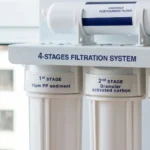
Filtration systems, such as activated carbon filters or manganese greensand filters, can remove hydrogen sulfide from water by adsorbing the gas onto the filter media. These systems are often used in combination with other treatment methods to ensure comprehensive water purification. Activated carbon is particularly effective at removing odors and improving the taste of water, while manganese greensand can also remove iron and manganese, addressing multiple water quality issues simultaneously.
Conclusion
The presence of a rotten egg odor in municipal water supplies can be a cause for concern, both in terms of water quality and potential health implications. Understanding the sources and implications of hydrogen sulfide is crucial for addressing this issue effectively. With knowledge and the right tools, individuals and communities can take proactive steps to ensure their water remains clean and safe.
By conducting thorough water testing and implementing appropriate treatment solutions, it is possible to mitigate the effects of hydrogen sulfide and ensure access to clean, odor-free drinking water. Whether through aeration, oxidation, or filtration, a range of strategies is available to address this common water quality concern, providing peace of mind for consumers and safeguarding public health.
In conclusion, addressing the issue of sulfuric odors in municipal water requires a comprehensive approach that combines scientific understanding, practical solutions, and ongoing monitoring. By prioritizing water quality and implementing effective treatment methods, we can ensure that our water supplies remain safe, clean, and free from unpleasant odors, ultimately contributing to the well-being and comfort of all who rely on this vital resource. Additionally, community engagement plays a crucial role in fostering public awareness about the importance of maintaining water quality standards. Collaborating with local stakeholders can help identify specific concerns and facilitate the implementation of strategies for fixing sulfur smell in water. By taking these proactive steps, we can not only enhance the overall taste and safety of our drinking water but also build trust between water authorities and the communities they serve.
Share this on social media:
Facebook
Twitter
LinkedIn

Related Posts