The Government's Responsibility in Ensuring Safe and Pure Water for All
- Published:
- Updated: November 25, 2024
Listen to this article
Summary
Access to safe and pure water is vital for public health, with governments playing a key role. Despite challenges like limited resources and climate change, proper water management is essential. Governments must invest in infrastructure, regulate water quality, protect sources, and educate the public. Collaboration with the private sector and international cooperation are also crucial for ensuring clean water for all.

We can’t survive without water, and there must be a certain level of quality in water that will not harm public health. Governments are the one who should make sure that all people have access to clean water. This means regulations, infrastructure investment, and the enforcement of water quality standards to avoid contamination. If government plays its part in this regard, then it can guarantee a human right and make its citizens better off.
What is the Government's Role in Ensuring Safe and Pure Water?
And the government has the responsibility of ensuring that their people get clean and pure water. Such as the control of water quality, water supply, and infrastructure to bring water to the homes and societies. It is the state, too, that should keep water treatment plant running, and waterways safe from pollution.
Challenges Faced by Governments in Ensuring Safe and Pure Water

Despite the importance of the government’s role in ensuring safe and pure water, there are many challenges that must be overcome. Some of the most significant challenges include:
- Limited resources: In many countries, the government does not have the resources to invest in the infrastructure and technologies needed to ensure safe and pure water for all.
- Climate change: Climate change is affecting water resources and making it more difficult to ensure that water is clean and safe. This can include changes in rainfall patterns, rising sea levels, and increased frequency of natural disasters.
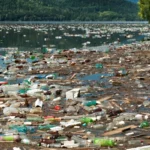
- Contamination of water sources: Water sources can become contaminated with pollutants from agricultural, industrial, or residential activities. The government must work to prevent this type of contamination and to clean up existing contamination.
- Aging infrastructure: In many countries, the infrastructure used to deliver water is aging and in need of repair or replacement. This can make it more difficult to ensure that water is delivered to homes and communities in a safe and reliable manner.
What are the Importance of Proper Water Management?
Proper water management is crucial for ensuring that water resources are available for current and future generations. This can include the regulation of water usage, the protection of water sources, and the implementation of sustainable water management practices. Governments can take steps to ensure that water is being used in a responsible and sustainable manner, including the implementation of water conservation programs, the regulation of water usage by industries and agriculture, and the promotion of best practices for water management.
Effective water management is also important for maintaining the health of ecosystems and preserving biodiversity. By protecting water sources and regulating water usage, governments can ensure that water resources are available for the plants and animals that depend on them. This can help to preserve ecosystems and maintain the balance of the natural world.
Steps that Governments Can Take to Ensure Safe and Pure Water for All
Even so, there are things governments can do to ensure that their people have clean water. Some of these steps include:
Investing in infrastructure: Governments can invest in infrastructure to get water to homes and communities in a safe and reliable way. This can include new water treatment plants, new water pipelines, and repairs or replacement of obsolete infrastructure.
Maintaining water quality: Authorities can control water quality so that human beings can drink it. That might mean developing quality standards, checking water bodies for contaminants, and taking measures to avoid contamination.
Water conservation: The governments can also act to prevent water from being polluted. This can involve control of crop and industrial use, management of wetlands and other natural waterways, and best-management practices in water management.
Teaching the people: Governments could tell people about the value of clean and safe water and what they can do to save their own water. This can include information on water conservation, water pollution hazards and what can be done to avoid contamination.
The Role of the Private Sector in Ensuring Safe and Pure Water
Not only the state, but also the private sector has its share in keeping water clean and pure. Private corporations could invest in water treatment, build new water systems, and deliver clean, hygienic water where the government won’t. In the private sector too, cooperation with government on developing and implementing effective water management policies and awareness about the need for safe, clean water is possible.
Water can also be saved through the use of sustainable business by private entities. This can include lowering water consumption, water-saving technology and sharing water management best practices across their facilities and among their suppliers. In partnership with the government and others, the private sector can also help ensure that water remains clean and safe for all.
The Need for International Cooperation
Safe and clean water is an international problem, which will require international collaboration. The water resources in many countries are shared between multiple countries and these countries should co-ordinate themselves on how to handle these waters. Water can be sustainable, and water can be defended for the benefit of all by international cooperation.
International institutions like the UN can assist in the promotion of global cooperation and in creating programmes and projects to make water safe and pure for all. They can also organize governments, private sector and other groups to achieve a shared objective of having access to clean, safe water for all. Working together, nations can make sure that water is treated in a sustainable way, and everyone has access to this basic need.
Share this on social media:
Facebook
Twitter
LinkedIn

Related Posts